

New York City is a place where neighborhoods collide, cultures fuse, and unexpected rituals find a home between brownstones and high-rises. Among those rituals is the growing demand for exotic massage NYC — treatments that arrive with roots in distant places, adapted for busy Manhattan schedules and Brooklyn sensibilities. This guide walks you through what “exotic” really means in the context of massage, how to find trustworthy practitioners, what to expect during a session, and how to choose the treatment that fits your body and mood. Think of this as a friendly map: part travelogue, part practical manual, and fully useful whether you’re a curious tourist or a lifelong New Yorker who wants to try something new.
What “Exotic Massage” Means in New York City
“Exotic” is a slippery word—romantic and vague all at once. In massage, it usually refers to therapies that originate outside the mainstream Western spa menu of Swedish or classic deep tissue. Thai stretches under a therapist’s steady palms, the flowing strokes of Lomi Lomi from Hawaii, Balinese oil work with fragrant botanicals, and Ayurvedic abhyanga from South Asia all fall under that umbrella. In the NYC scene, many of these approaches are offered authentically by practitioners trained overseas or taught by local schools that emphasize traditional technique.
Important to note: exotic massage NYC, as discussed here, focuses on legitimate, therapeutic offerings. The city’s regulations and community standards distinguish professional bodywork from anything illicit. When you look for exotic treatments, you’re seeking cultural techniques, not anything illegal or exploitative. That distinction keeps the experience restorative and respectful—for you and for the traditions on which these practices are built.
Common Types of Exotic Massage You’ll Find in NYC
Thai Massage
Thai massage is dynamic and movement-focused. Sometimes called “Thai yoga massage,” it combines assisted stretching with rhythmic compression along energy lines. Sessions are often done on a mat with the client wearing loose clothing. Expect sustained stretches, joint mobilizations, and a steady, breath-synchronized rhythm that can feel both invigorating and deeply relaxing.
Lomi Lomi (Hawaiian Massage)
Lomi Lomi emphasizes long, flowing strokes using forearms and hands, creating a wave-like sensation across the body. Practitioners sometimes incorporate breath work, intention, and a warm, nurturing presence. It’s less about structural manipulation than about restoring fluidity and connection between body and breath.
Balinese Massage
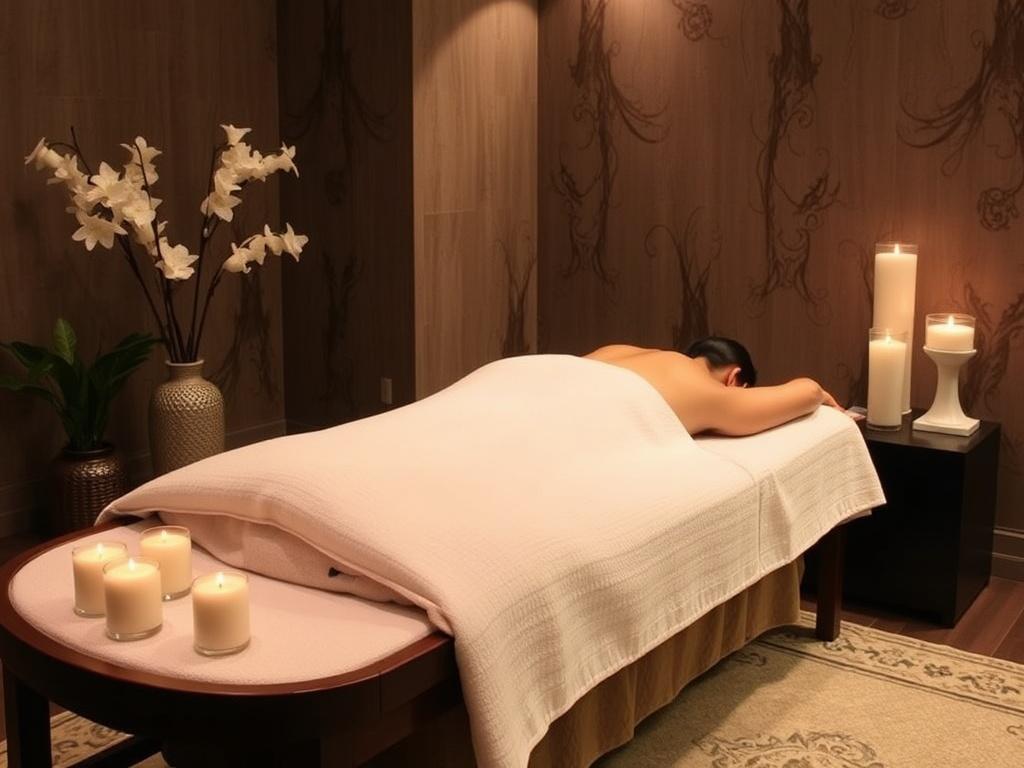
Balinese massage blends acupressure, skin rolling, and long strokes with aromatic oils. It’s a sensory-rich experience—especially in spas that replicate Balinese ambiance with music and lighting. The goal is relaxation with an element of therapeutic release, using medium pressure and techniques adapted from Indonesian and Asian healing traditions.
Shiatsu
Originating in Japan, shiatsu uses firm pressure applied with thumbs, palms, and occasionally elbows along meridian lines. It’s performed clothed, often on a futon, and aims to correct energetic imbalances and release muscular tension through targeted pressure and stretches.
Ayurvedic Abhyanga
Abhyanga is an Ayurvedic oil massage involving warm, often herb-infused oils applied in synchronized movements. Mostly offered in longer sessions, it is considered nourishing for the nervous system and skin, and commonly paired with other Ayurvedic therapies like shirodhara or oil pulling recommendations.
Hot Stone and Herbal Compress Massages
Hot stone therapy uses heated basalt stones to warm muscles, often combined with massage strokes. Herbal compresses—poultices filled with heated herbs—are pressed along muscle groups to deliver heat plus aromatic and topical benefits. Both approaches are popular components in exotic massage NYC offerings for deeper relaxation and localized relief.
Bamboo and Tui Na
Bamboo massage employs heated or room-temperature bamboo sticks to roll and knead tissues, delivering sustained pressure without wearing out the therapist’s hands. Tui Na is a Chinese manual therapy that focuses on acupressure and manipulative techniques to address musculoskeletal and energetic issues.
Cupping and Gua Sha
Although not strictly “massage,” cupping and gua sha are often available alongside exotic massages. Cupping uses suction to lift muscle and fascia, while gua sha scrapes the skin to increase circulation. Both can leave temporary marks but are used to promote healing and tension release.
Quick Comparison Table: Popular Exotic Massage Types
| Technique | What It Feels Like | Best For | Typical Session Length |
|---|---|---|---|
| Thai Massage | Stretching and rhythmic compression; active | Improving flexibility, joint mobility, tension release | 60–120 minutes |
| Lomi Lomi | Long flowing forearm strokes; nurturing | Relaxation, emotional release, circulation | 60–120 minutes |
| Balinese Massage | Mix of long strokes and acupressure with oils | Relaxation with mild therapeutic effect | 60–90 minutes |
| Shiatsu | Firm thumb pressure on meridian points; clothed | Energy balancing, tension in specific areas | 60–90 minutes |
| Abhyanga (Ayurvedic) | Warm oil with synchronized strokes; deeply soothing | Nervous system calming, skin nourishment | 60–120 minutes |
| Hot Stone / Herbal Compress | Localized heat, deep warmth | Chronic tension, about to release deep knots | 60–90 minutes |
| Bamboo / Tui Na | Firm rolling and manipulative pressure | Deep tissue relief with less hand fatigue | 60–90 minutes |
Where to Find Reputable Exotic Massage NYC
The city’s massage landscape ranges from glossy hotel spas to tucked-away rooms above cafés. When searching for exotic massage NYC, you’ll want to prioritize credentials, clear service descriptions, and readable reviews. Good signs include therapists who list training schools, continuing education, and membership in professional bodies. Many legitimate therapists trained in traditional techniques also advertise bilingual capabilities and cultural background, which can be helpful for finding authentic modalities.
Start with a few reliable channels: well-reviewed boutique spas, independent therapists with professional websites, and established wellness centers that clearly list training. Apps and aggregator sites can help with logistics, but always cross-check the spa’s own page and user reviews for consistency. If a listing feels blurry about what the treatment actually entails, or if photos and descriptions appear overly sexualized, move on—trustworthy providers are specific about techniques and outcomes.
Neighborhoods to Explore
- Midtown and the Theater District: many hotel spas offer exotic packages convenient for visitors.
- SoHo and NoLita: boutique studios and independent therapists with stylish interiors and a creative vibe.
- West Village and Chelsea: smaller wellness centers that often combine eclectic therapies with community-focused events.
- Upper East and Upper West Sides: established spas and studios that cater to clients looking for consistent, high-quality service.
- Williamsburg and Greenpoint (Brooklyn): hipper, sometimes experimental offerings and mobile therapists who come to your apartment.
- Astoria and Jackson Heights (Queens): accessible options with practitioners from diverse cultural backgrounds offering authentic treatments.
How to Choose the Right Treatment
Choosing an exotic massage in NYC is part preference and part physiology. Ask yourself: do I want deep structural work, gentle relaxation, energetic balancing, or a blend? If you’re short on time, a 60-minute Balinese massage or a targeted Thai session can be efficient. For nervous-system reset, consider abhyanga. If mobility and stretching are top priorities, Thai is a strong candidate.
Also factor in sensory preferences. Do you want fragrant oils and a dim, ceremonial space, or a minimal, clinical room focused on results? If you’re sensitive to scents, request unscented oils. If you need privacy and minimal conversation, tell the therapist at booking. Clear communication before the session helps the therapist tailor pressure, technique, and ambiance so the experience matches your expectations.
Questions to Ask Before Booking
- What exact techniques will be used in this session?
- Is the therapist certified in this specific modality?
- What should I wear—will I be clothed or undressed, and is draping provided?
- Are oils or other products included, and can they accommodate allergies?
- What is the cancellation policy and how far in advance should I book?
- Does the therapist have experience with my medical condition (pregnancy, diabetes, recent surgery)?
Red Flags to Watch For
- Vague descriptions of services that don’t explain technique or outcomes.
- Requests for cash-only payments with no receipt or professional contact information.
- Therapists who pressure you into add-ons or touch in ways you didn’t consent to.
- Facilities that look unsanitary or cluttered in photos and reviews mention cleanliness issues.
- Any suggestion that sexual services are part of the offering—those are illegal and unsafe.
What to Expect at Your Session
When you arrive for an exotic massage NYC, you’ll usually begin with a short intake: a form and a brief conversation about your health, areas of pain, and goals. This step is essential—good therapists ask concise questions so they can adapt pressure or avoid contraindicated techniques. For many exotic styles like Thai or shiatsu, you may remain clothed in loose, comfortable garments. For oil-based therapies, a private table with proper draping is standard.
During the session, clear communication is the therapist’s ally. Tell them if pressure is too light or too intense. Many therapists pause to check in halfway and at the end to ensure you’re comfortable. After the session, expect a few minutes of quiet to let the body recalibrate; therapists often offer tips for aftercare or recommend follow-up sessions. Payment, gratuity, and rebooking typically happen at the front desk or via the therapist if the session is in a smaller studio.
Spa Day Pack List
- Loose clothing for after the treatment
- Any necessary medical notes or prenatal documentation
- Water bottle (to hydrate after the session)
- Phone on silent and earbuds if you want to listen to calming music in the waiting area
- Credit card or cash for tipping and extras
Pricing, Tipping, and Packages
Prices in NYC vary widely. A simple way to think about it: boutique and hotel spas tend to be pricier, while independent therapists and neighborhood studios offer competitive rates. Treatments that demand specialized training or that include premium products (herbal compresses, organic oils) typically cost more. A session length, the therapist’s experience, and the location are the main price drivers.
| Service Type | Typical Price Range (60-minute) | Notes |
|---|---|---|
| Neighborhood studio exotic massage | $90–$150 | Good value; diverse modalities available |
| Boutique or hotel spa | $130–$250+ | Higher-end ambiance and amenities |
| Independent therapist (in-home/mobile) | $120–$200 (plus travel) | Convenient but check credentials and reviews |
| Specialized or long-format sessions (90–120 minutes) | $160–$350 | Often recommended for comprehensive therapies like abhyanga or combined modalities |
Tipping: In NYC, tipping 15–25% for a positive experience is common. Some spas include service charges—if they do, confirm whether that goes to the therapist or is a facility fee. For mobile therapists, bring cash or tip via the same method you used to pay for the session if you prefer.
Safety, Ethics, and Legal Considerations
Safety and professionalism keep the massage industry reputable. In NYC, lawful practices distinguish therapeutic bodywork from illegal sexual services. If a listing hints at anything beyond therapeutic touch, remove it from your options. Professional therapists maintain boundaries, explain informed consent, and follow sanitary practices like fresh linens, handwashing, and clean oils.
If you have medical conditions—blood clotting disorders, recent surgeries, unmanaged high blood pressure, or are pregnant—consult your physician before booking. Prenatal massage should only be performed by therapists with specialized training in pregnancy adaptations. If you’re uncertain about licensing or training claims, you can ask for the therapist’s certification details or training school and verify through the training institution if necessary.
Aftercare and Maximizing Benefits
Your post-massage choices shape how long the benefits last. Hydration is the simplest and most effective practice: water helps flush metabolic byproducts that circulate during and after deeper work. Gentle movement—short walks, light stretching, or restorative yoga—helps maintain the mobility gained. If you experience soreness, contrast (warm and cool) showers and a short rest period are helpful. For lingering discomfort, apply heat or ice depending on the nature of the tension—heat for stiffness, ice for acute inflammation.
Frequency matters. For general well-being, monthly or biweekly exotic massage NYC sessions can sustain mobility and stress relief. For chronic conditions, a series of treatments scheduled weekly or every other week might be recommended by the therapist. Pay attention to how your body responds and adjust the cadence accordingly.
DIY Exotic Massage Techniques You Can Try Safely
You can borrow elements of exotic massage at home in a safe, scaled-down way. Use warm oil for a self-foot rub to stimulate reflex points. Practice gentle Thai-style assisted stretches with a partner who communicates and stops at any discomfort. Apply a warm towel or heated stones (use a proper stone heater or thoroughly tested alternative) over tense areas to warm muscles before self-massage. These home practices are restorative but not a substitute for trained therapists, who have the anatomical knowledge and hands-on skill to adjust pressure and technique safely.
Simple Self-Massage Routine (10 minutes)
- Warm your hands and breathe deeply for one minute.
- Use thumbs to apply gentle, circular pressure along the trapezius and base of the skull for two minutes.
- Roll a tennis ball along the upper back between the shoulder blades for two minutes—lean against a wall to control pressure.
- Use flat palms to make long, effleurage-like strokes down the thighs toward the heart for two minutes.
- Finish with gentle ankle rolls and foot rubs, focusing on areas that feel tight.
Booking Tips and Spa Etiquette in NYC
Booking in NYC can require a little strategy. Popular therapists fill weeks in advance, especially evenings and weekends. If you want a particular modality like abhyanga or Lomi Lomi, book sooner rather than later and specify the technique in the appointment notes. Arrive 10–15 minutes early to complete intake forms and enjoy a brief transition into the spa environment. Turn your phone to silent and avoid heavy perfumes, which can interfere with oils and clients who are scent-sensitive.
If a therapist asks you to undress to your comfort level, know that professional draping techniques preserve privacy; only the area being worked on is typically uncovered. Communicate pressure preferences at the start and mid-session. If something feels off during the session, speak up—therapists expect feedback and adjust accordingly. After the session, a brief tip and a thank-you are a good way to express appreciation for skillful work.
Mobile and In-Home Exotic Massage: Pros and Cons
Mobile exotic massage NYC brings the session to your apartment or hotel. The convenience is huge: you avoid commuting, and you can relax in a familiar environment. Mobile therapists often carry portable tables and a selection of oils and linens. However, the downsides include limited ambiance control (lighting, soundproofing) and potential space limitations that may make certain techniques, like full Thai floor work, difficult. Verify that the therapist is insured and reads a clear intake form in advance. For mobile sessions, ensure you have space cleared and a quiet environment to help the therapist work effectively.
How to Spot a Great Therapist
Great therapists combine technical skill with empathy and clear communication. They arrive professional, with a focused presence, and they tailor techniques based on your intake. Look for therapists who explain what they’re doing and why, who check in about pressure, and who offer realistic expectations about outcomes. Certifications and ongoing education are positive signs, but so is a strong client history: repeat clients and thoughtful reviews signal a practitioner who clearly helps people achieve their goals.
Frequently Asked Questions
Is exotic massage NYC safe if I have a chronic health condition?
Usually, yes—but with caveats. You should consult your medical provider and disclose the condition to the therapist. Therapists trained in specific modalities can often adapt technique, pressure, and duration to accommodate conditions like arthritis or chronic pain. For conditions with circulatory risks such as deep vein thrombosis, certain techniques may be contraindicated.
Can I get exotic massage while pregnant?
There are excellent prenatal massage therapists who specialize in pregnancy-safe techniques and positioning. Abhyanga-style oil work and gentle Swedish-type strokes are common options. Avoid deep tissue work or certain positions that place pressure on the abdomen unless the therapist is specifically trained in prenatal adaptations.
How do I prepare for a session?
Avoid heavy meals just before the session, hydrate, and wear or bring loose clothing. If oils are used, expect to feel lightly oily afterward—some clients like to shower afterward, which is perfectly fine. Bring a list of medications and relevant medical information in case the intake requires it.
What’s the difference between exotic massage and sexual services?
Exotic massage in the therapeutic sense is rooted in cultural techniques and aimed at healing, relaxation, and mobility. Sexual services are not part of legitimate massage therapy and are illegal. Ethical therapists maintain clear boundaries, explain techniques and consent, and provide documentation like receipts and service descriptions. If anything feels sexualized or pressured, leave and report the listing if necessary.
Are there male and female therapists available?
Yes. Many clients have a gender preference, and reputable studios note therapist gender, training, and specialties so you can choose who you feel most comfortable with. If you have a strong preference, request it in advance; popular therapists may be booked up, so reserve early.
How often should I get exotic massage?
It depends on your goals. Once a month is a good maintenance rhythm for general well-being; for chronic conditions, weekly to biweekly sessions may be advised by a therapist. Track your response over several visits and tailor the frequency to how your body holds improvements.
Sample Spa Day Itinerary: A Manhattan Afternoon
- 12:00 PM — Light lunch (salad or small protein portion) and water.
- 1:00 PM — Arrive at the spa, complete intake, enjoy herbal tea in the waiting area.
- 1:15 PM — 90-minute exotic massage (Balinese plus hot stone combo).
- 2:45 PM — Post-treatment quiet time, therapist offers aftercare tips and suggests stretches.
- 3:00 PM — Light walk in nearby park or streets to reorient to the city.
- 3:30 PM — Gentle movement such as restorative yoga or stretching at home.
Resources and Further Reading
For those who want to dig deeper: check local professional associations for massage therapists, reputable training schools that specialize in traditional techniques, and the NYC Department of Health for general public guidance on sanitation and business registration. Wellness publications and practitioner blogs can be useful for understanding the nuances of each modality, but always prioritize direct communication with therapists when choosing a service.
Conclusion
Exotic massage NYC offers a rich palette of therapeutic traditions adapted to the city’s fast tempo: stretching from Thai floors, oil-slicked Balinese strokes, the warmth of hot stones, and the slow nourishment of Ayurvedic abhyanga. The key to a good experience is clear communication, informed choice, and respect for both your body and the cultural origins of the work. Whether you want mobility, deep release, or a restful reset, plan ahead, prioritize clean, credentialed providers, and treat your sessions as part of a broader practice of self-care. With a little preparation and curiosity, your next exotic massage in the city can feel like a small, intentional escape that actually changes how you move and breathe in the days that follow.