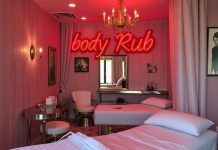


Talk of erotic massage in NYC comes with a mix of curiosity, rumor, and caution. The phrase itself evokes a range of scenes: dimly lit rooms, whispers of indulgence, and a hunt for intimacy or relief that mainstream spa treatments don’t promise. But whether you’re researching out of curiosity or trying to navigate options responsibly, knowing the practical, legal, and safety-minded aspects will change your experience for the better. This guide walks you through the landscape in plain language—what to expect, how to evaluate services, where to draw the line, and how to protect yourself emotionally, physically, and legally.
What People Mean by “Erotic Massage” (and Why Definitions Matter)
“Erotic massage” is a broad term. For some, it refers to sensual bodywork intended to awaken sexual energy or provide a heightened sensory experience. For others, it’s slang for unregulated services that cross into prostitution. The difference matters because one can be described and delivered within professional, consensual boundaries, while the other may involve legal risks and unsafe practices.
In practical terms, an erotic massage might emphasize atmosphere, touch, and a slower, more intimate approach than a standard therapeutic session. Always assume terminology is used loosely; don’t rely on labels. Ask direct questions about what will—and will not—occur during a session, and look for clarity on consent, boundaries, and the practitioner’s training.
Legal and Regulatory Context in New York
New York City has clear laws around commercial sexual activity, and many activities commonly associated with erotic massage may fall into gray or illegal areas. Licensed massage therapy that follows health-code regulations and is performed by credentialed practitioners in regulated facilities is lawful. Services that involve sexual acts in exchange for money are illegal and can involve criminal penalties for providers and clients.
Because laws and enforcement can change, it’s important to err on the side of transparency and safety. Seek out licensed establishments, verify credentials where possible, and avoid situations that feel secretive or pressure you to accept services that weren’t discussed up front.
Quick Checklist: What to Verify Before Booking

- Credentials: Is the practitioner a licensed massage therapist or certified bodyworker? Can they provide proof?
- Location: Is the business a registered spa or clinic with a physical address and public contact information?
- Scope of Service: Does the advertised service description match what you expect, and do they confirm boundaries in writing or on the phone?
- Reviews and Reputation: Do independent reviews consistently report professional behavior?
- Payment and Policies: Are prices and cancellation/refund policies transparently listed?
Where to Look—and What to Avoid
Start with traditional routes: licensed spas, wellness centers, and clinics with clear staff bios and qualifications. These places may offer “sensual” or “relaxation” massages with a focus on atmosphere rather than erotic content. If a listing or ad is vague, hides contact details, or uses coded language, treat that as a red flag. Independent providers advertising on forums or classified sites can be legitimate, but require extra vetting.
| Type of Establishment | Typical Features | Pros | Cons |
|---|---|---|---|
| Licensed spa or clinic | Public address, licensed therapists, transparent pricing | Regulated, hygienic, professional | Less likelihood of erotic focus |
| Independent practitioner | Personal websites, mixed reviews | Flexible scheduling, personalized care | Varied qualifications—needs more vetting |
| Unregulated/underground services | Vague ads, private locations | May offer what advertising suggests | Legal risk, safety concerns, lack of recourse |
Etiquette, Consent, and Boundaries
Good practice starts before you walk in the door. A professional session will include a clear discussion about the scope of touch, areas that are off-limits, and any health issues to be aware of. Consent is not a one-time checkmark; it’s an ongoing conversation. If anything changes mid-session, you or the practitioner should feel comfortable pausing and renegotiating boundaries.
When you first arrive, expect to be asked about preferences, pressure levels, and medical history. If you are asked to remove clothing, you should be told exactly what the practitioner will do and in what context linens or draping will be used. Never feel pressured to expose more than you want; draping techniques exist to protect your privacy while allowing the therapist to work effectively.
Questions to Ask Before You Book
- Are you licensed or certified? Can I see your credentials?
- What training do you have in this style of work?
- What exactly does this session include and exclude?
- What is your hygiene and injury-prevention protocol?
- What is your cancellation and refund policy?
Health, Hygiene, and Safety
Hygiene and sanitary practices are non-negotiable. Reputable providers follow standard infection-control protocols: clean linens, handwashing, sanitized equipment, and a clean treatment room. If you notice questionable cleanliness, leave. If you have any medical conditions—heart issues, recent surgery, pregnancy, skin conditions—disclose them ahead of time so the practitioner can tailor or decline treatment safely.
It’s also wise to trust your instincts. If something feels coercive, rushed, or illicit, prioritize your safety. Have a friend know where you are, use a ride-share app with trip-sharing enabled, and avoid carrying large sums of cash. By planning ahead, you reduce risk and increase the chance of having a positive, restorative experience.
Pricing and What to Expect Financially
Prices in NYC vary widely. Licensed spas often charge standard therapeutic rates, while private practitioners set their own fees. Below is a general price range to give you a sense of what to expect; these are estimates only and can differ by neighborhood and the reputation of the provider.
| Service Type | Typical Price Range (NYC) | What Influences Cost |
|---|---|---|
| Standard therapeutic massage | $80–$180 per hour | Licensing, location, facility quality |
| Sensual/relaxation-focused session | $100–$220 per hour | Atmosphere, practitioner experience |
| Specialty or luxury services | $200–$400+ per hour | Exclusive settings, celebrities, bespoke offerings |
Red Flags to Watch For
- Pressure to accept services not previously discussed.
- Vague listings with no verifiable contact information.
- Requests for cash-only payment coupled with secrecy about business address.
- Unwillingness to show credentials or explain training.
- Reports from other clients of unprofessional or illegal behavior.
Resources and Where to Learn More
If you want to dig deeper, start with local professional associations, state regulatory boards, and community health resources that list licensed practitioners and accredited schools. Online review platforms can give you a sense of reputation, but weigh them alongside professional verification. Consider calling places directly and asking detailed questions about scope, sanitation, and licensing—responsible providers expect and welcome these inquiries.
When to Walk Away
Trust your instincts. If anything about a provider’s communication, promises, or setup feels off, don’t proceed. It’s far better to leave without a session than to risk your safety, reputation, or legal standing. A good provider will understand and not pressure you to change your mind.
Final Tips for a Positive Experience
Set expectations clearly, arrive a few minutes early to fill out any forms, and be honest about your needs and limits. Hydrate after sessions and plan for quiet time afterward—bodywork can be unexpectedly emotional or relaxing. If the experience doesn’t feel right, provide feedback and choose a different provider next time. Over time you’ll learn which environments and practitioners align with your comfort and values.
Conclusion
Exploring erotic massage in NYC can be done safely and respectfully if you prioritize legality, professional credentials, hygiene, and clear consent. Use direct questions, verify credentials, watch for red flags, and choose licensed or well-reviewed providers. Your comfort and safety should always come first—everything else follows from that baseline.