
Manhattan can feel like a giant pulse—fast, focused, and occasionally achy. A good massage is the pause button, a way to reset both the body and the mental static that accumulates in subway commutes, meetings and crowded sidewalks. This article walks you through where to go, what to expect, how much you’ll likely spend, and how to choose the technique and therapist that fit your needs. Think of it as a local map for easing tension—practical, no-nonsense, and tailored to the rhythm of the borough.
Why Get a Massage in Manhattan?
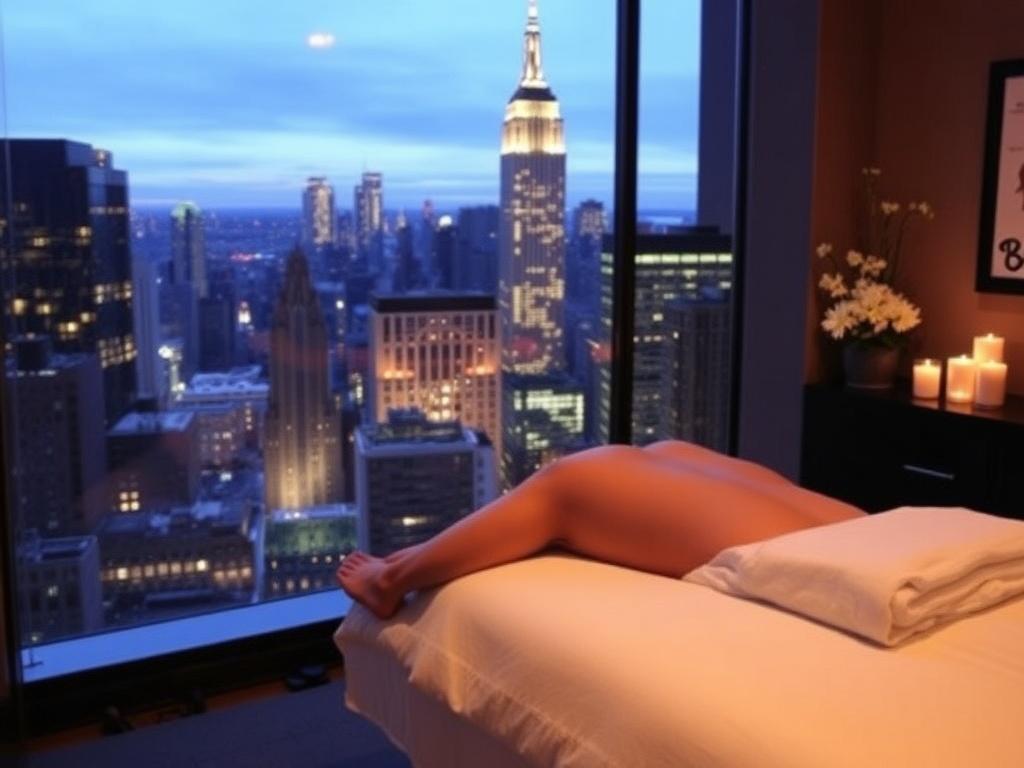
A massage in Manhattan is different from a neighborhood appointment in tone and variety. Here you’ll find specialists trained to handle everything from acute sports injuries to corporate stress. The density of therapists and studios means more options and more expertise: luxury spas with marble lobbies, small boutique studios focusing on one technique, and mobile therapists who come to your apartment between client meetings. Beyond relaxation, regular treatments can improve posture, reduce headache frequency, assist with injury recovery and help manage anxiety—especially useful in an environment that rewards speed.
Types of Massage You’ll Find
Manhattan studios offer a wide menu. Knowing the differences helps you pick a session that matches the time you have and the outcome you want.
| Massage Type | What It Focuses On | Best For | Typical Session (45–90 min) |
|---|---|---|---|
| Swedish | Long, gliding strokes for relaxation | Stress relief, first-timers | 45–90 min: gentle to moderate pressure |
| Deep Tissue | Slow, firm strokes to reach tight muscles | Chronic pain, postural issues | 60–90 min: intense pressure in targeted areas |
| Sports | Pre- or post-activity muscle care | Athletes, injury prevention | 30–90 min: active and targeted techniques |
| Shiatsu / Acupressure | Finger pressure on energy meridians | Balance, tension release | 60 min: clothed or lightly draped |
| Hot Stone | Heated stones used to warm muscles | Deep relaxation, muscle loosening | 60–90 min: calming, spa-style |
Neighborhoods and Their Vibes
Each Manhattan neighborhood brings a particular atmosphere to a massage experience. SoHo and the West Village host boutique studios with contemporary decor and specialized techniques. Midtown is where you’ll find convenient lunchtime express massages and high-end hotel spas. The Upper East and Upper West Sides skew toward established, clinical practices that pair well with medical massage or physical therapy. Harlem and the Lower East Side feature more community-oriented options and often fresher, locally owned spaces. Pick a neighborhood that suits the mood you want: quick and pragmatic, luxurious and lengthy, or therapeutic and clinical.
Top Spots by Need
- Quick relief between meetings: Midtown express clinics and hotel spas
- Luxury and immersion: SoHo and Upper East Side hotel spas
- Therapeutic and clinical: Upper West Side and Midtown specialty practices
- Unique, local studios: Lower East Side and Harlem
How to Choose a Therapist
A good therapist is both technician and listener. Credentials matter—look for state licensing and relevant certifications—and experience with your specific concern is a plus. A few questions to ask when booking:
- What type of massage do you recommend for my issue?
- How long have you worked with clients who have similar problems?
- Are you comfortable communicating during the session about pressure and pain?
Trust your first impressions. A studio that answers clearly, outlines contraindications, and asks about health history is more likely to provide a safe, effective session.
Red Flags
Avoid places that pressure you into add-ons, won’t provide professional credentials, or have pressured sales tactics after the massage. Hygiene and transparency should be non-negotiable.
Pricing and Time Options
Manhattan pricing varies widely. Here’s a simple breakdown to set expectations.
- Short session (30 min): $40–$80 — good for neck, shoulders, or a quick reset.
- Standard session (60 min): $80–$180 — most common and balanced time for working on a few areas.
- Extended session (90 min+): $140–$300 — deeper work or whole-body treatment.
Remember to factor in gratuity. In Manhattan, 15–20% is standard for good service. Some high-end spas include service charges; check before tipping.
What to Expect During Your First Visit
A typical session begins with a brief intake—questions about your medical background, current issues and goals. You’ll be told how to disrobe and how the therapist will signal you to adjust pressure. Communication is collaborative: say if something is too intense or not enough. Sessions end with short aftercare advice—hydration, stretches, or follow-up frequency.
Etiquette and Comfort
If you’re nervous about undressing, know that most massages require disrobing to your comfort level with only the area being worked exposed and proper draping used. You can request a therapist of a specific gender in many studios. Silence is common, but if you prefer conversation or quiet, say so up front.
Health Considerations and Contraindications
Massage is beneficial for many, but not everyone should dive in without caution. People with uncontrolled high blood pressure, deep vein thrombosis, active infections, certain skin conditions, or recent surgeries should consult a physician first. Pregnant clients need therapists trained in prenatal massage. If you’re on blood thinners or have brittle bones, mention these conditions when booking.
Practical Tips for Getting the Most from Your Session
Small changes in preparation and aftercare make a big difference.
- Hydrate before and after: it helps flush metabolic waste released during massage.
- Eat light if you’re getting a deep session—heavy meals can cause discomfort when lying face down.
- Wear loose clothing post-massage to let your body settle.
- Ask for self-care moves after the session—simple stretches or foam-rolling can extend benefits.
- Book recurring visits if you have chronic issues; consistency beats one-off heroics.
Booking Strategies and Apps
If you want speed and comparison shopping, use reputable apps that aggregate reviews and prices. For a more bespoke approach, a quick phone call can tell you more than an app’s listing: ask about therapist specialties, cancellation policies and hygiene practices. For peak times—weekends and evenings—book at least a week ahead. If you need a midday slot for a work break, look for studios offering 30-minute express sessions.
Walk-Ins vs. Appointments
Walk-ins are convenient but come with uncertain wait times. If you have limited time, make an appointment. Some smaller studios reserve the best therapists for booked time slots.
At-Home and Mobile Massage
Manhattan’s compactness makes mobile massage a practical option. Licensed therapists will bring a portable table and supplies and can turn an apartment into a calm space. Expect a surcharge for travel and set-up. Be sure the mobile therapist requests a safe, private spot and clear instructions for entry to your building.
DIY and Short Daily Practices
Professional massage is powerful, but daily micro-practices help maintain gains between sessions. A simple routine:
- Two minutes of neck rolls in the morning
- Shoulder blade squeezes at the desk—10 reps every hour
- Foam rolling hamstrings or calves for 3–5 minutes after workouts
These quick habits reduce build-up and extend the life of your professional sessions.
Quick Comparison: Professional vs. Self-Care
| Goal | Professional Massage | Self-Care |
|---|---|---|
| Immediate tension relief | High impact, targeted | Moderate, temporary |
| Long-term structural change | Effective when regular | Supports but seldom replaces |
| Cost | Higher per session | Low after initial tools |
Keeping Your Massage Practice Sustainable
Frequent splurges can strain both budget and schedule. Consider a mixed approach: monthly professional sessions for deep work, short express sessions during busy periods, and daily self-care to maintain posture and flexibility. Many studios offer package deals or membership plans that reduce per-session costs—worth exploring if you plan regular visits.
Common Mistakes First-Time Visitors Make
Avoid these pitfalls: not communicating about pain or medical issues, skipping intake forms, expecting one session to fix long-standing problems, or ignoring aftercare advice. A good therapist is a partner; engage fully and you’ll get more value.
Final Practical Checklist Before You Go
- Confirm appointment time and cancellation policy
- List current medications and health issues to share with your therapist
- Wear loose clothing and plan light meals
- Bring headphones if you want quiet or specific music
- Schedule 10–15 minutes before your next appointment to reorient after a session
Conclusion
Manhattan’s massage scene is vast but navigable: pick a neighborhood that matches the vibe you want, choose the massage type that targets your goals, and prioritize licensed therapists who ask questions and communicate clearly. Combine professional sessions with short daily habits—hydration, simple stretches and occasional foam rolling—to keep tension from building back up. With the right approach, a massage becomes not just an occasional indulgence, but a practical, restorative part of city life.