
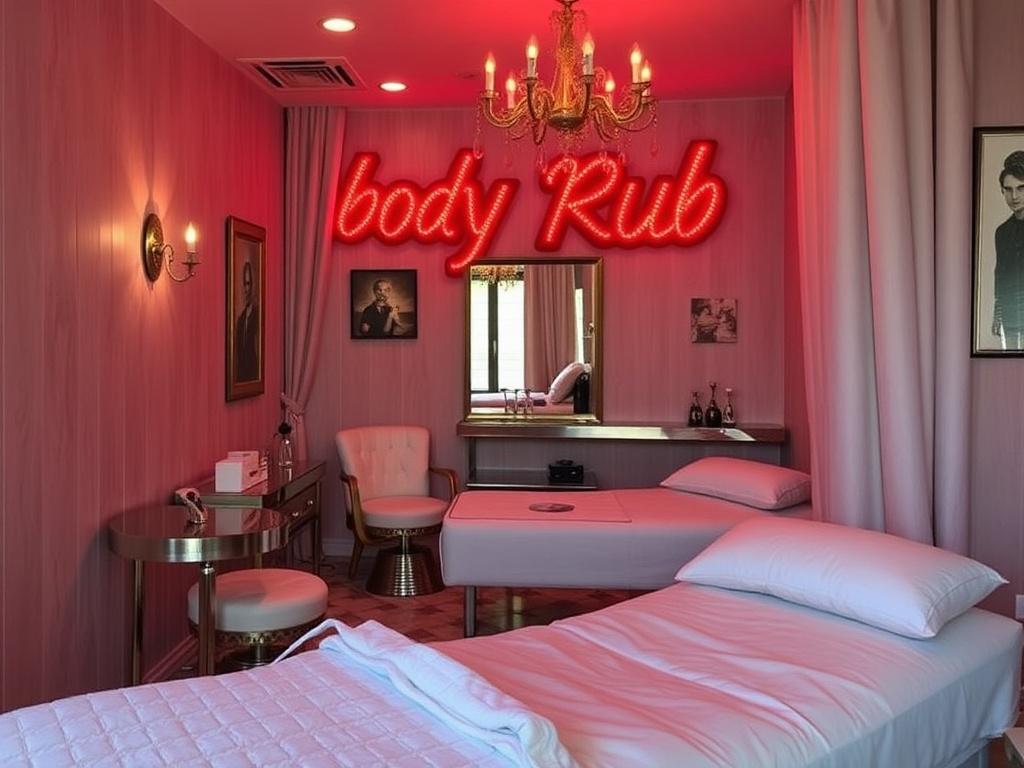
Body rub parlours sit at the crossroads of wellness, business, and culture. For some people they are simply places to unwind with a therapeutic massage; for others they are services with murkier reputations. Whatever your first impression, understanding how these parlours operate, the services they offer, and the legal and safety considerations involved will help you make informed choices — whether you’re a client, a worker, or simply curious.
What Is a Body Rub Parlour?
The term “body rub parlour” is broad. At its most basic, it describes a commercial location where hands-on treatments — typically involving stroking, kneading, or pressing the body — are provided for a fee. That can include licensed therapeutic massage, relaxation or spa massages, and in some places services that blur into sexual offerings. Geography plays a huge role: local laws, cultural norms, and enforcement practices shape what services are available and how parlours present themselves.
Brief history and why the term is loaded
Manual therapies have ancient roots — think of traditional Asian massage techniques, European therapeutic rubbing practices, and indigenous bodywork traditions. The modern parlour emerged as massage became commercialized and urbanized. Over time, the phrase “body rub” became a neutral-sounding euphemism in some markets, while in others it was adopted by businesses wishing to avoid overt language. That ambiguity is why the term can feel loaded: it can be used to hide illicit activity, or simply to market a legitimate service without medical claims.
Common Services You Might Find
Legitimate parlours typically list specific treatments, often with clear descriptions and pricing. Below is a simple table to help you recognize typical offerings and what to expect.
| Service | Description | Typical Duration | What to Expect |
|---|---|---|---|
| Swedish/Relaxation Massage | Gentle techniques to reduce tension and improve circulation | 30–90 minutes | Clothed or draped client, oil or lotion, focus on relaxation |
| Deep Tissue | Targeted pressure for muscle knots and chronic pain | 30–90 minutes | Stronger pressure, communication about comfort required |
| Sports Massage | Pre/post-activity therapy focused on performance and recovery | 30–60 minutes | Stretches, focused techniques, might be more intense |
| Traditional / Cultural Techniques | Thai, shiatsu, Ayurvedic treatments with specific methods | 60–120 minutes | May include stretching, pressure points, or floor mats |
| Unlisted or “Body Rub” Services | Varies — sometimes euphemistic for sexual services | Varies | Ask questions; legality and safety can be uncertain |
How to read a menu

A clear service menu will state techniques, duration, and price. Licensed providers often reference their certifications. If descriptions are vague, or if staff is evasive about what a service includes, treat that as a red flag. Transparency matters for both quality and legality.
Legal and Ethical Landscape
Regulation differs wildly. In many countries massage therapy is a licensed health profession with training standards, continuing education, and regulatory bodies. In others, especially where enforcement is lax, parlours operate in a gray zone. Some jurisdictions prohibit sexual services, while others regulate sex work with licensing and health checks.
For clients, understanding local laws can prevent awkward or risky situations. For workers, legal clarity affects rights, safety, and access to labor protections. Advocacy groups often push for clearer regulations that separate legitimate therapeutic businesses from criminal activity and that protect worker rights.
Licensing and certification
Ask whether therapists are licensed and what that means locally. Legitimate licenses usually require training hours, examinations, and public records. If a parlour cannot provide this information, consider choosing another provider.
Health, Hygiene, and Professional Standards

Hygiene is non-negotiable. Clean linens, properly laundered towels, sanitized equipment, and visible handwashing are baseline expectations. Professional parlours have policies about illness (both client and practitioner), use of single-use items where appropriate, and clear protocols for skin or open-wound issues.
Infection control has become more prominent since the COVID-19 pandemic. Good parlours will discuss their policies, ventilation, and cleaning routines. If a place dismisses these questions, leave.
Boundaries and consent
Respectful touch requires consent. Practitioners should explain what body areas will be worked on and allow clients to set boundaries. Draping techniques are standard for privacy. If a practitioner pressures you to remove clothing beyond what a professional treatment requires, that is outside professional norms.
How to Choose a Reputable Parlour
Finding a trustworthy place takes a mix of research and instinct. Start with online reviews, but read them critically — fake or incentivized reviews exist. Look for clear contact information, transparent pricing, and staff bios. Professional associations and local regulatory websites can verify licenses.
- Ask about training and licensing before booking.
- Request a treatment outline: what will happen during the session.
- Check for visible cleanliness and clear policies on hygiene.
- Trust your gut: if something feels off in communication or setting, walk away.
Questions to ask when booking
Keep questions direct: What technique will be used? How long is the session? Do you have a license? What is your cancellation policy? Clear answers are a good sign; vague or evasive replies are not.
What to Expect During a Visit
Most appointments follow a simple flow: brief intake about medical history and preferences, treatment in a private or semi-private room, and a short debrief. You’ll be asked about pressure preferences and any areas to avoid. Communication during the session is important — a practitioner should check in about pressure or discomfort.
Tipping culture varies. In many places a tip of 15–20% for a good massage is customary. If tipping makes you uncomfortable, some parlours include service in the price; verify before you go.
Safety for Clients and Workers
Both parties have responsibilities. Clients should disclose relevant medical conditions, arrive clean, and respect practitioner boundaries. Workers should maintain professional standards, secure their work environment, and have emergency contacts and exit plans if they feel unsafe. Employers and regulators should ensure safe workplaces through licensing, inspections, and worker protections.
Red flags to watch for
- No verifiable address or business registration
- Menus that offer ambiguous “extras” or sexual promises
- Practitioners unwilling to share credentials or explain techniques
- Dirty linens, strong smells, or overcrowded waiting areas
- Pressure to pay in cash with no receipt
Alternatives and Complementary Therapies
If you’re seeking health benefits, consider seeing a licensed massage therapist, physiotherapist, or chiropractor depending on your needs. Many health clinics and spa facilities offer memberships or medical referrals. Group classes like yoga or pilates can complement manual therapies and build resilience so you need less frequent bodywork.
When to seek medical advice
If you have persistent pain, neurological symptoms, unexplained swelling, or a serious medical condition, consult a clinician before booking a bodywork session. Massage is helpful for many, but sometimes it can exacerbate underlying issues without proper medical oversight.
For Workers: Know Your Rights and Protections
People working in body rub parlours — especially in poorly regulated environments — can face precarious conditions. Know local labor laws: minimum wage, hours, safety regulations, and the right to refuse unsafe clients. Joining a professional association or union, where available, helps establish standards and collective bargaining power. Access to health services, mental health support, and safe reporting mechanisms for abuse are critical.
Practical Checklist Before Visiting a Parlour
- Verify license and practitioner qualifications.
- Confirm services and exact pricing ahead of time.
- Ask about hygiene protocols and any pandemic-related measures.
- Clarify what is included in the treatment and what isn’t.
- Bring ID if required and plan for tipping or card payment.
- Communicate medical conditions in advance.
Conclusion
Body rub parlours cover a wide spectrum: from established, therapeutic clinics with licensed therapists to informal shops where services and standards vary. Your best protection is information — check credentials, read policies, and ask direct questions. Pay attention to hygiene, consent, and transparency. Whether you go for muscle relief, relaxation, or cultural bodywork, a good parlour respects boundaries, operates within the law, and puts health and safety first. If any part of a business feels unclear or risky, there are plenty of reputable alternatives that deliver similar benefits without the uncertainty.