


New York City hums with possibility, and that includes a wide variety of massage offerings. Among them, the term “body-to-body massage” sometimes appears on menus, and it can raise questions: what exactly does it mean, is it appropriate for my needs, and how do I find a reputable practitioner in a city of millions? This article walks you through the concept, practical considerations, safety and etiquette, and alternatives—so you can decide with confidence whether this approach fits your wellness goals.
What People Mean by “Body-to-Body” Massage
The phrase “body-to-body massage” generally refers to a hands-on technique where more of the practitioner’s body—forearms, torso, or even chest—may contact the client’s body during the session, compared with massages that rely mostly on hands and fingers. In some contexts it emphasizes fluid, full-body contact intended to create warming, relaxing pressure and to increase body awareness. Importantly, the exact meaning can vary widely between establishments, so it’s sensible to confirm specifics before booking.
How It Differs from Common Massage Styles
Compared with Swedish massage, which uses long gliding strokes with hands and light-to-moderate pressure, body-to-body approaches can feel more enveloping because the massage surface is larger. Compared with deep tissue, which targets tight muscles with concentrated, often slower pressure, body-to-body tends to focus on broad, soothing contact rather than aggressive, targeted muscle release. Think of it as a different way to deliver pressure and warmth rather than a completely separate category.
Potential Benefits and Who Might Enjoy It
People seek body-to-body sessions for several reasons: deep relaxation, a heightened sense of being grounded in the body, improved circulation, and relief from generalized muscle tension. Some clients enjoy the gentle, continuous contact because it helps them disconnect from mental noise and sink into relaxation more quickly than more mechanical techniques.
Who May Benefit Most
- People looking primarily for relaxation and stress relief rather than targeted therapeutic work.
- Clients who appreciate rhythmic, enveloping touch and a sense of full-body warmth.
- Those without acute medical issues who want a different sensory experience from conventional massage.
Who Should Be Cautious or Choose Another Option
- Anyone with specific medical conditions (deep vein thrombosis, certain skin disorders, recent surgery, pregnancy complications) should consult a healthcare provider before booking.
- Clients who prefer minimal or strictly localized contact, or who want clinically focused interventions like trigger-point release.
- People who feel uncomfortable with extended close contact—this style requires trust and clear boundaries.
Safety, Legality, and Professional Boundaries in NYC
In New York City, massage businesses and therapists operate under local rules and standards, and reputable practitioners maintain clear professional boundaries. Because “body-to-body” terminology is imprecise, a transparent business will describe exactly what the session involves, who will be present, and the draping and consent practices used to protect client privacy. If any detail feels vague or evasive, it’s a red flag.
Licensing and oversight can vary by jurisdiction. Many legitimate practitioners display certifications, continuing education achievements, and business licenses. Ask to see credentials if you’re unsure. You can also check reviews, look for referrals from trusted friends, or seek recommendations from healthcare providers. When in doubt, prioritize establishments that are upfront about their policies and that emphasize client comfort and safety.
Questions to Ask Before Booking
- What exactly does “body-to-body” mean in your practice?
- What are your draping and consent policies?
- What credentials and training do you hold?
- Are there any client medical conditions you cannot work with?
- Do you offer single-gender therapists or same-gender appointments if preferred?
What to Expect During a Session
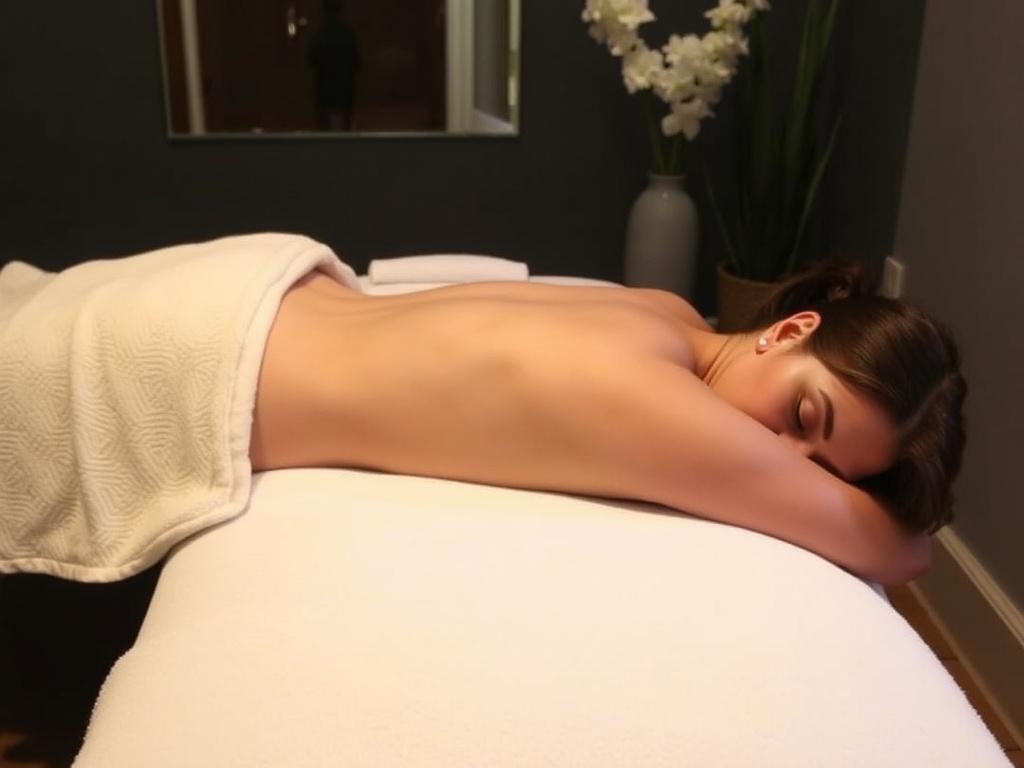
A reputable session begins with a short intake where the therapist asks about health history, pain points, and comfort preferences. You and the practitioner should agree on pressure level, areas to avoid, and how you’ll communicate during the treatment. Draping is a standard practice: it keeps you covered except for the area being worked, preserving dignity and warmth. The therapist will usually explain the technique and confirm consent before proceeding.
Typical Session Flow
| Stage | What Happens |
|---|---|
| Intake | Questions about health, goals, and consent; discussion of draping and pressure. |
| Preparation | You undress to your comfort level and lie on the table; therapist steps out or stays until you’re ready. |
| Massage | Therapist uses broader contact, such as forearms or torso, alongside hands; pressure and coverage vary by preference. |
| Closure | Therapist steps out to allow you to dress; brief review of session and aftercare suggestions. |
Etiquette and Practical Tips
Good etiquette makes the experience smoother for both client and practitioner. Arrive a few minutes early, bring or request any linens if needed (though most spas provide them) and wear comfortable clothing. Communicate openly about pressure and comfort—therapists expect to adjust based on your feedback. Tipping practices in NYC generally fall between 15–25% for good service; check the venue’s policy if you’re unsure.
Aftercare Suggestions
- Drink water to help flush metabolic byproducts released during the massage.
- Avoid vigorous exercise immediately afterward if you received deeper pressure.
- Note any areas of unusual soreness and communicate them in your next appointment.
- If you feel emotionally affected by the session, give yourself quiet time to process.
How to Choose a Reputable Practitioner in NYC
Finding a trustworthy therapist in a city as large as New York requires a little research. Start with clinics and spas that specialize in therapeutic work and show clear policy pages. Read recent reviews—not just ratings but specific comments about professionalism, cleanliness, and how the therapist handled boundaries. Referrals from medical professionals, friends, or wellness groups can be particularly valuable.
Checklist for Choosing a Therapist
- Clear description of services and techniques offered.
- Transparent draping and consent policies.
- Visible credentials, memberships, or certifications.
- Positive, specific client reviews that mention professionalism.
- Clean, welcoming facility and clear communication channels.
Comparing Options: Body-to-Body and Alternatives
It’s helpful to know how body-to-body compares to other popular choices so you can pick what suits your needs.
| Style | Focus | Best For |
|---|---|---|
| Body-to-Body | Enveloping contact, broad pressure, sensory relaxation | Restoration, relaxation, body awareness |
| Swedish | Long strokes, effleurage, light-to-moderate pressure | General relaxation, circulation, first-time clients |
| Deep Tissue | Focused work on muscle layers and knots | Chronic muscle tension, targeted pain relief |
| Myofascial/Trigger Point | Precise release of fascia and trigger points | Specific pain patterns and mobility issues |
Cost and Time Considerations in NYC
Prices depend on location, the credentials of the therapist, and the studio’s reputation. In New York City, budget options exist alongside premium spas. Typical sessions range from 60 to 90 minutes; shorter sessions are available but might not allow the same depth of experience. Ask about package deals or introductory offers if you plan recurring visits—many places provide discounts for multiple sessions.
Questions to Clarify Pricing
- Is gratuity included or separate?
- Do you offer packages or multi-session discounts?
- Are there extra charges for particular techniques or extended time?
Final Practical Advice
If you’re curious, try a single session with clear expectations and a reputable provider. Communicate openly: state your comfort limits, any medical issues, and what you hope to gain. If the language used in marketing or by staff feels ambiguous or the practitioner resists discussing boundaries and draping, walk away. A positive experience combines therapeutic skill, clear communication, and respect for your comfort.
Red Flags to Avoid
- Vague descriptions of the service or evasive answers to questions about draping and consent.
- Insistence on no-clothes sessions without a clear therapeutic rationale and written consent.
- Pressure to book additional, unscheduled services or to remove boundaries.
Resources and Next Steps
0
Start with a trusted referral or look for clinics that list clear policies and detailed service descriptions online. Prepare your questions in advance and arrive ready to communicate your preferences. If you have any medical concerns, consult your healthcare provider beforehand. With a measured approach, you can explore body-to-body techniques safely and decide whether they fit into your self-care routine.
Conclusion
Body-to-body massage in NYC can offer a unique route to relaxation and body awareness when practiced by a professional who prioritizes safety, consent, and clear boundaries. It’s not a one-size-fits-all solution: it suits some people wonderfully and isn’t appropriate or necessary for others. Do a little homework—ask direct questions, check credentials, and trust your comfort level. With those precautions, you can explore this style of bodywork and find the right balance of touch and professionalism for your needs.