
New York City moves at its own relentless pace. We carry the city in our bodies—tight shoulders from commuting, sore hips from lugging bags, jaw tension from endless calls. That’s where bodywork comes in: a practical, often gentle toolkit for easing pain, restoring mobility, and making everyday life feel more livable. If you’ve typed “bodywork nyc” into a search bar and felt overwhelmed, this piece is for you. I’ll walk you through what bodywork actually means, what to expect in the best studios and clinics around the boroughs, and how to choose a practitioner who will leave you feeling better, not bruised or bewildered.
What is bodywork?
Bodywork is an umbrella term for hands-on therapies that work with soft tissue, fascia, joints, and the nervous system. Unlike a purely medical procedure, bodywork often blends technique and intuition—practitioners read tension and movement with their hands and then use pressure, stretches, or movement patterns to create change. In NYC, the offerings range from clinical manual therapy used alongside physical therapy to more somatic, experiential approaches like Thai massage or craniosacral therapy. Each has different aims: some focus on sports performance, others on chronic pain, still others on emotional release through the body.
Why choose bodywork in NYC?
There are two simple reasons: variety and expertise. This city draws talented practitioners from around the world, so you can find someone trained in very specific modalities. Studios cater to commuters, night-shift workers, athletes, artists—people with different shapes of stress. Additionally, because competition is high, many NYC practitioners refine their communication and intake processes. You can expect clear questions, tailored plans, and straightforward aftercare. For many people, finding a skilled bodyworker in the city is faster than in smaller towns.
Benefits people report from regular sessions
- Reduced chronic pain and fewer headaches
- Improved range of motion and posture
- Better sleep and lower stress levels
- Faster recovery after workouts or injury
- Greater body awareness and movement efficiency
Types of bodywork you’ll commonly find
New York’s scene includes traditional and contemporary approaches. Here are the ones you’ll run into often:
- Swedish and deep tissue massage
- Myofascial release and Rolfing
- Sports massage and Active Release Technique (ART)
- Shiatsu and Thai bodywork
- Craniosacral therapy and somatic experiencing
- Structural integration and manual therapy used by physical therapists
Quick comparison table
| Type | Main focus | Typical session length | Typical NYC price range |
|---|---|---|---|
| Swedish/Deep Tissue | Muscle relaxation, circulation | 60–90 min | $80–$160 |
| Myofascial Release / Rolfing | Fascia, alignment, long-term structural change | 60–120 min | $90–$200+ |
| Sports / ART | Performance, injury recovery | 30–75 min | $75–$180 |
| Thai / Shiatsu | Energy flow, joint mobilization | 60–120 min | $80–$170 |
| Craniosacral / Somatic | Nervous system regulation, subtle releases | 45–90 min | $90–$160 |
How to find the right practitioner in NYC
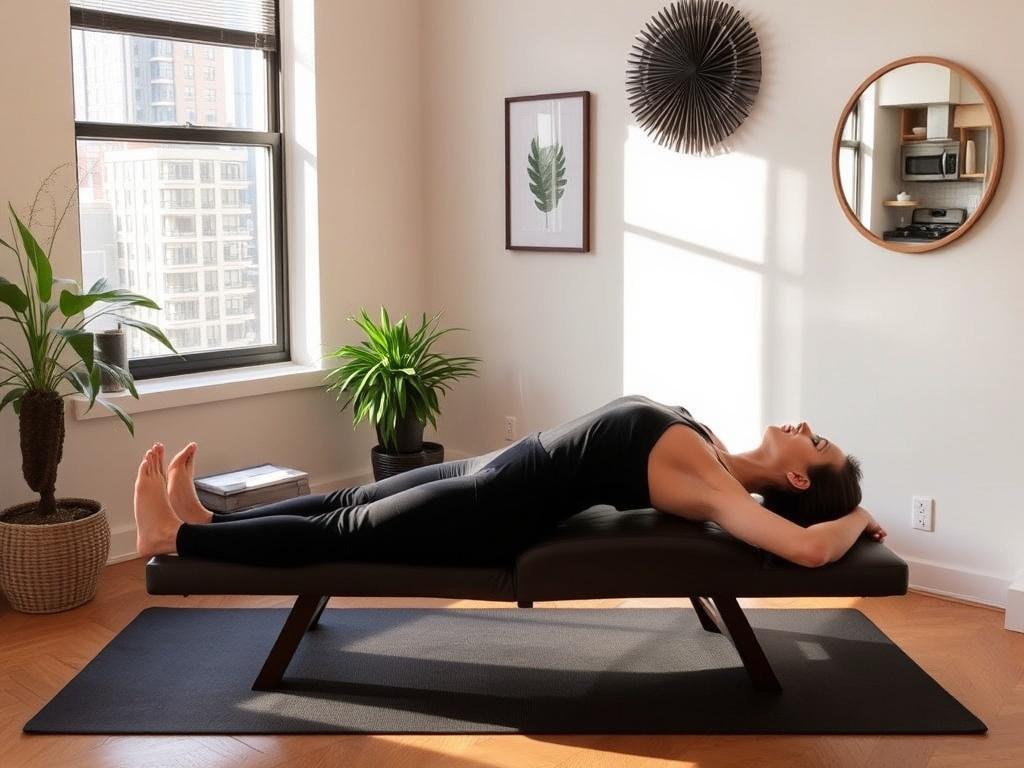
Start with your goal. Are you trying to reduce migraine frequency? Improve your squat? Recover from a car accident? Different goals point to different practitioners. Ask friends, browse neighborhood community boards, and read reviews carefully—look for comments about communication and follow-up, not just whether someone has “strong hands.” Many highly skilled therapists explain limitations and will refer you to a chiropractor, physician, or physical therapist when appropriate.
Questions to ask before booking
- What is your professional training and licensure? (Massage licenses, PT degrees, certified Rolfers, etc.)
- How many years have you worked with my specific issue?
- What does a typical treatment plan look like?
- Do you accept insurance, HSA/FSA, or offer sliding scale fees?
- What will I need to wear, and will you use a table or mat?
What to expect in your first session
Your first appointment will likely start with an intake: history of symptoms, injuries, daily habits, and what you hope to change. Expect the practitioner to observe posture and movement. Depending on the modality, you may lie on a table fully or partially clothed, sit in a chair, or move through stretches. Good practitioners talk you through pressure and check in frequently. Soreness for 24–48 hours can be normal after deeper work; hydration and light movement help. If anything feels unsafe or too painful, you should feel comfortable asking the practitioner to modify technique immediately.
Practical checklist for your visit
- Wear comfortable, loose clothing if the session involves movement.
- Bring a brief list of your medications and major medical history.
- Plan a low-key rest period after a deep session—no high-intensity workouts right away.
- Arrive a few minutes early so you’re not rushed during intake.
Costs, insurance, and value
Prices in the city vary by neighborhood, practitioner experience, and modality. You can find community clinics and student clinics with lower rates, boutique studios with premium pricing, and many mid-range options in between. Some sessions are covered by insurance or by HSA/FSA if prescribed by a physician; physical therapy visits typically have clearer insurance pathways than massage or alternative therapies. Remember that a cheap session isn’t always a bargain if it doesn’t address the root problem; conversely, an expensive practitioner who listens and designs a plan that gets results can save you money over time by preventing recurring issues.
Self-care to amplify results between sessions
Bodywork is most effective when paired with small, consistent habits. Hydration and sleep aid tissue recovery. Short daily mobility routines prevent tightness from returning; even five minutes of targeted stretching or a few mobility drills can extend the benefits of a session. Keep a short journal after treatments—note levels of pain, sleep quality, and movement capacity. Over time you’ll see patterns that help you and your practitioner fine-tune the approach.
Safety and red flags
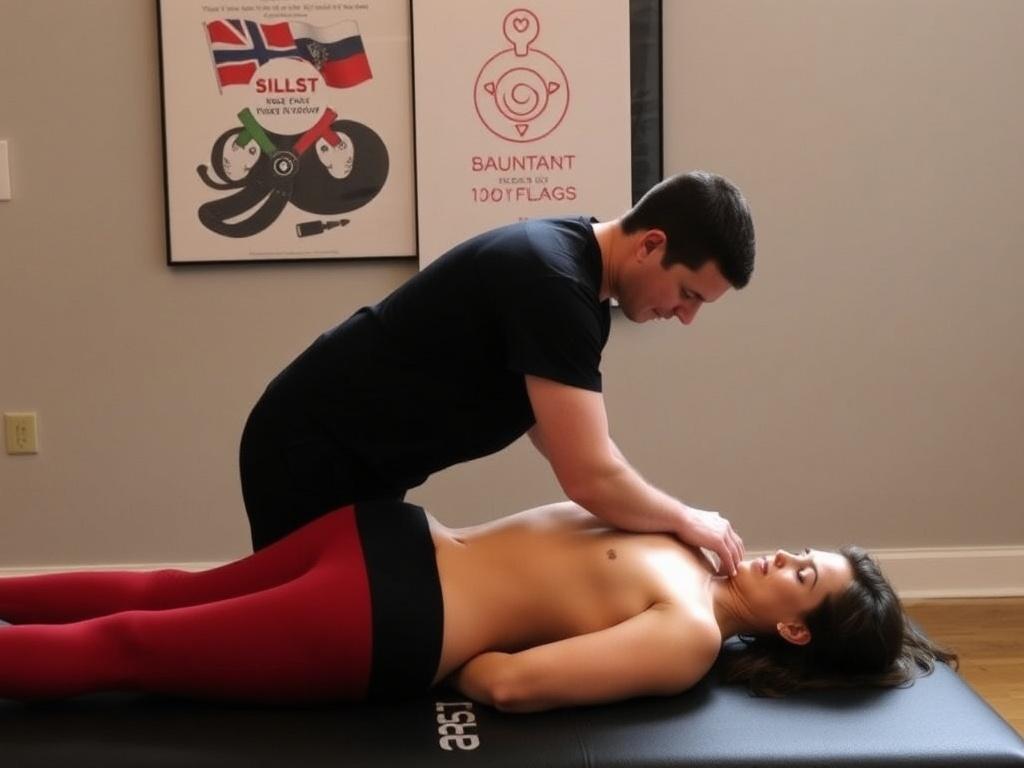
Good bodyworkers operate within clear ethical and clinical boundaries. Red flags include practitioners who promise miracles, insist on long-term packages before assessing you, or use excessive force without consent. Be cautious if someone dismisses your medical history or discourages you from seeking diagnostic tests when they seem warranted. Communication should be collaborative: you should leave with clear next steps and realistic expectations.
How bodywork nyc fits into a broader wellness plan
Think of bodywork as one chord in a larger composition. It pairs well with strength training, corrective exercise, breathwork, and psychotherapy. For chronic pain, it often works best alongside movement education and sometimes medical evaluation. For athletes, combining targeted bodywork with mobility sessions and strength work produces predictable performance gains. In short, treat bodywork as a strategic partnership rather than a one-off fix.
Local resources and booking tips
Use neighborhood directories, community health centers, and trusted platforms to compare practitioners. Many NYC studios offer a first-time special or a package that reduces the per-session cost. If you’re unsure where to start, look for clinics that offer an initial consultation; a 15–20 minute consult can reveal whether the practitioner’s approach matches your needs without committing to a full session. Also consider community clinics and school clinics if cost is a concern—students supervised by experienced instructors can give excellent care for a reduced fee.
Conclusion
Bodywork nyc can be a practical, effective part of living well in a dense, demanding city—but its payoff depends on choosing the right modality and practitioner for your needs, communicating clearly, and supporting sessions with sensible self-care. Start with a clear goal, ask straightforward questions, and treat the first few visits as experimentation. With the right hands and a little patience, you can reclaim movement, reduce pain, and make city living feel easier on your body.