

Imagine two therapists moving in deliberate, synchronized patterns across your body, the attention spread evenly, pressure arriving from both sides at once. That’s the first image most people get when they hear 4hands massage, and for good reason: it feels unlike a standard single-therapist session. A 4hands massage is not simply twice the pressure; it’s a coordinated performance meant to reset your nervous system, redistribute tension, and create a sense of being fully tended to. Read on to learn what happens during one of these sessions, who benefits most, and how to choose the right spa for a genuinely restorative experience.
What Exactly Is a 4hands Massage?
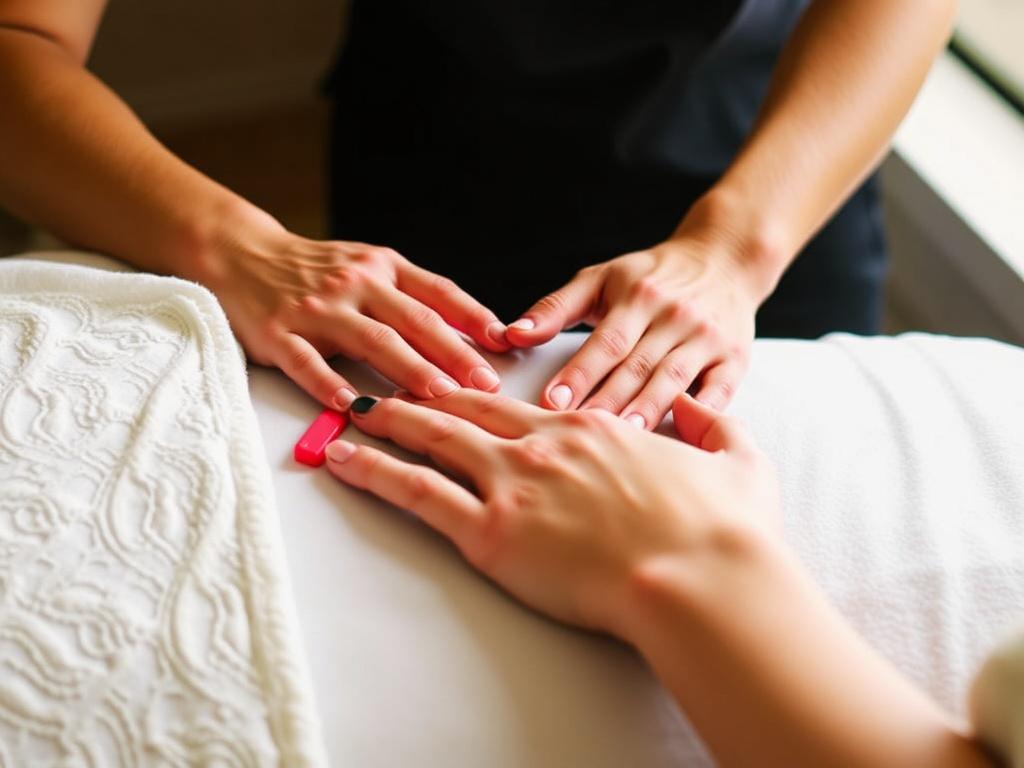
At its core, a 4hands massage pairs two therapists working on one person at the same time. They may mirror each other, alternate techniques, or divide the body into complementary zones. The choreography—if you will—can be gentle and flowing, as in a synchronized Swedish-style 4hands massage, or targeted and deep, with two practitioners tackling stubborn knots from different angles. The effect is a heightened sense of coverage and rhythm; sensations arrive from multiple directions and often seem to dissolve tension faster than a single therapist could.
How Does It Feel? The Sensory Difference
The hallmark sensation of a 4hands massage is symmetry. When two therapists stroke both sides of your body simultaneously—your shoulders, calves, or forearms—the brain registers a balanced input that can amplify relaxation. Some people describe it as being “cradled” by movement, while others say the tandem pressure helps them reach deep relaxation states more quickly. Because attention is distributed, therapists can apply varying pressures without the experience feeling jarring. For many, the result is a deeper, smoother unwinding of both muscle and mind.
Benefits of a 4hands Massage
- Deeper relaxation achieved more quickly than with single-therapist sessions.
- Improved circulation due to consistent, multi-directional strokes.
- More efficient release of muscle tension and adhesions.
- Heightened sensory experience that enhances stress relief.
- Customizable: can be adapted to Swedish, deep-tissue, lymphatic drainage, or even spa rituals.
Why two therapists are sometimes better
Two therapists can maintain continuous contact while one moves to a different area, reducing brief gaps in treatment. They can also work in unison to address complex tension patterns—one creating mobility while the other focuses on release. This teamwork allows for layered approaches that often speed up progress on chronically tight areas.
Who Should Consider a 4hands Massage?
People who juggle chronic stress, heavy physical labor, or persistent muscle tightness often report the most dramatic benefits from a 4hands massage. It’s also a popular choice for special occasions—think anniversaries or pre-wedding relaxation—because it feels indulgent and memorable. Athletes sometimes choose 4hands sessions during recovery weeks when a swift, thorough session is desired. However, anyone seeking a different sensory experience in a shorter amount of time may find it appealing.
When to Avoid a 4hands Massage: Precautions and Contraindications
Despite its many advantages, a 4hands massage isn’t suitable for everyone. If you have deep vein thrombosis, certain cardiovascular conditions, uncontrolled hypertension, recent surgeries, severe osteoporosis, or acute infections, you should avoid intensive massage until cleared by a healthcare provider. Pregnant people should check that the spa offers therapists trained in prenatal massage and that the techniques used are safe. Always disclose health issues when booking so therapists can adapt pressure and technique.
Red flags to mention before your session
- Recent surgeries or fractures
- Blood clot history or clotting disorders
- Neurological conditions that affect sensation
- Current fever, contagious illness, or acute inflammation
- Pregnancy—especially in the first trimester without specialist approval
What to Expect During a 4hands Massage
Most 4hands massage sessions begin with a brief intake where you share areas of pain and your general health. Therapists will then decide how to coordinate—either mirroring each other or splitting the body into segments. Sessions commonly run 60 to 90 minutes, sometimes longer if the spa offers elaborate rituals. During the massage, expect a heightened sense of continuity: when one therapist moves, the other keeps the flow steady. Communication is key; therapists should check in about pressure and comfort before increasing intensity.
Practical tips for first-timers
- Book a middle-range session (60–75 minutes) to sample the experience without committing to a very long treatment.
- Wear light clothing to the spa or come prepared to undress to your comfort level—therapists will drape appropriately.
- Speak up about pressure preferences early; two therapists can sometimes feel overwhelming if pressure isn’t aligned.
- Ask whether the therapists have worked together before—synchrony improves with practice.
Comparing Options: 2-hands vs 4hands Massage
| Feature | Standard (2-hands) | 4hands massage |
|---|---|---|
| Therapists | One therapist | Two therapists working simultaneously |
| Sensation | Focused, singular flow | Symmetrical, immersive |
| Effectiveness on chronic tension | Good with targeted work | Often faster and more comprehensive |
| Cost | Moderate | Higher—reflects two practitioners |
| Best for | Targeted therapy, budget-conscious clients | Deep relaxation, intense recovery, special treat |
Choosing the Right Spa or Therapists
Quality matters more with a 4hands massage than with many other treatments. The two therapists should have compatible styles and, ideally, experience working together. Look for clear bios that list training and tenure, and read reviews that mention coordination and pressure. Ask whether the spa uses pre-session briefings so therapists can align on your needs. A good spa will present this as a collaborative service, not just two people assigned to one table.
Questions to ask when booking
- How long have the therapists worked together?
- What training do they have in the techniques I want?
- Can pressure be adjusted during the session?
- Are there add-ons like aromatherapy or hot stones, and how are those integrated?
Cost, Duration, and Customization
A 4hands massage usually costs more than a single-therapist session because two professionals are present. Expect prices to vary widely by city and spa level; luxury spas charge premium rates while local studios may offer more affordable options. Sessions typically range from 60 to 120 minutes. Many spas allow customization—combining modalities like deep tissue or lymphatic techniques within the 4hands format—so you can tailor the experience to athletic recovery, stress relief, or pure relaxation.
At-Home Versions and Alternatives
If scheduling or budget is a concern, some couples or friends try synchronized massages at home. While this can be a pleasant bonding activity, it rarely matches the technical skill or coordination of professional therapists. A worthwhile alternative is a longer single-therapist session with targeted focus and follow-up home-care recommendations. Still, there’s nothing quite like the sensory novelty of a professionally executed 4hands massage—especially when therapists are well-practiced partners.
Evidence and Anecdotes: What the Research Says
Massage research suggests consistent benefits for stress reduction, pain relief, and mood improvement. Specific studies on 4hands massage are fewer, but preliminary findings and practitioner reports indicate enhanced relaxation and decreased heart rate compared to single-therapist sessions. Anecdotal evidence, from spa clients to athletes, supports the idea that the coordinated approach intensifies the relaxation response and can reduce recovery time.
Etiquette and Aftercare
After a 4hands massage, your body may feel pleasantly spacey. Hydration is essential—drink water to help flush metabolic byproducts released during manipulation. Take it easy for the rest of the day when possible; deep sessions can leave you a bit drowsy. If soreness appears, gentle stretching and a warm bath usually help. And if you enjoyed the experience, consider booking a follow-up with the same pair of therapists: continuity amplifies the benefit.
Conclusion
A 4hands massage is a compelling option when you want efficient, deep relaxation and a memorable sensory experience. It offers coordinated, multi-directional touch that often speeds tension release and intensifies calm. While not suitable for everyone, when performed by skilled, synchronized therapists it can be transformative—especially for people under chronic stress, those recovering from heavy training, or anyone who simply wants to be indulged in a highly attentive way. If you decide to try it, book with practitioners who communicate, tailor pressure to your needs, and—most importantly—have a history of working together; the difference between two hands and four can be the difference between ordinary relief and a genuinely restorative session.