
If you’re in Dallas and looking for a relaxing, therapeutic, or just plain soothing body rub, you’re in the right place. The phrase “body rub Dallas” might bring up a lot of images and questions: where should I go, how do I tell a good spa from a questionable place, what should I expect, and how much will it cost? This article walks you through the essentials—types of services, how to find reputable providers, safety and legal considerations in Dallas, what to ask before you book, and how to get the most from your session. The goal is simple: help you make informed choices and have a calm, respectful experience.
What people mean by “body rub” and why clarity matters
“Body rub” is a broad term. For many people it simply means a massage: techniques that manipulate muscles and soft tissues to relieve tension, improve circulation, and promote relaxation. For others, especially in some online listings, the term can be vague and may be used by businesses that operate in legally gray areas. That’s why understanding the difference—therapeutic massage vs. illicit services—is crucial before you search for a body rub Dallas offers.
Common types of legitimate body rubs and massages
Licensed massage therapists in Dallas typically offer a range of modalities. Here are the common ones you’ll encounter:
- Swedish massage: gentle, long strokes for relaxation and circulation.
- Deep tissue: focused pressure on tight muscles and chronic pain.
- Sports massage: geared toward athletes, with stretching and targeted work.
- Thai massage: assisted stretching and rhythmic pressure, often on a mat.
- Reflexology: pressure on feet or hands believed to affect other body parts.
- Hot stone: heated stones used to warm tissues and relax muscles.
Each modality has a purpose and a recommended duration. Licensed clinics will typically list the therapist’s credentials and explain the benefits on their website or brochure.
Types of establishments in Dallas
Dallas has a wide spectrum of places offering body rubs. Your choice should reflect the atmosphere and level of professionalism you want.
| Type | What to expect | Typical price range |
|---|---|---|
| Licensed medical spa / clinic | Registered therapists, formal intake, therapeutic focus, may accept medical referrals | $70–$150+ per hour |
| Day spa | Relaxation services, amenities like showers and saunas, professional front desk | $60–$140 per hour |
| Independent licensed therapist (private studio) | Personalized care, quieter setting, often flexible scheduling | $60–$120 per hour |
| Unlicensed or “massage” parlors | Lower prices, unclear credentials, variable practices—exercise caution | $30–$70 per hour |
Why licensing matters
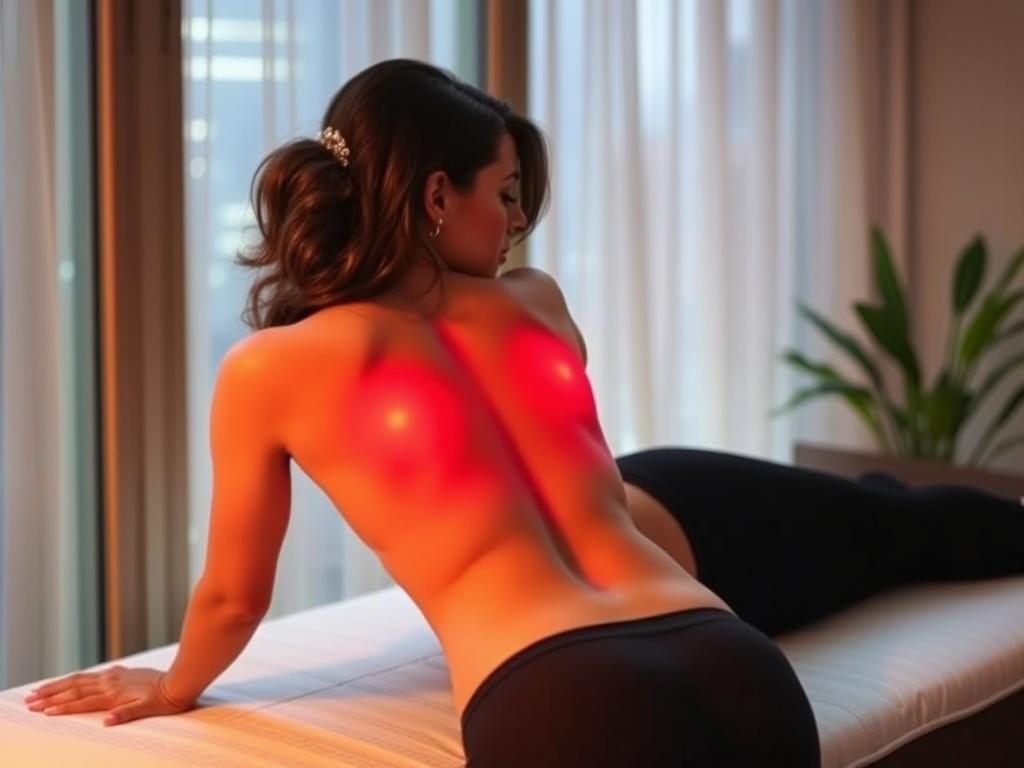
In Dallas, a licensed massage therapist (LMT) has completed training and is recognized by state or local regulatory bodies. Licensing isn’t just bureaucratic red tape: it means the therapist knows anatomy, sanitation, contraindications, and professional boundaries. If you see “body rub Dallas” advertised without any credentials, consider it a red flag. You can verify credentials through the Texas Department of Licensing and Regulation or by asking the provider directly.
How to find a reputable body rub in Dallas
Finding a trustworthy place takes a little legwork but pays off. Here’s a practical checklist to help you search, vet, and book.
- Start with reputable directories: use sites that focus on licensed therapists or spa reviews rather than anonymous classifieds.
- Look for clear business information: a physical address, phone number, and a consistent online presence.
- Check credentials: therapist bios, state license numbers, and memberships in professional associations.
- Read recent reviews—but read critically. Look for patterns about hygiene, professionalism, and whether appointments run on time.
- Call before booking: ask about training, the modalities they offer, session length, and cancellation policy.
When you search for “body rub Dallas,” prioritize listings that include specific details about their services and staff. Vague listings can hide problems.
Questions to ask before you book
- Are you licensed? (Ask for license number if unsure.)
- What type of body rub or massage do you recommend for my needs?
- Do you require intake forms or a health history?
- What is your cancellation policy and fee structure?
- Is the therapist male or female, and can I request a specific therapist?
Legal and safety considerations in Dallas
Texas laws prohibit prostitution and certain sexual services, and reputable spas adhere to those laws. It’s important to avoid businesses that offer sexual services as an add-on or imply such services. Those operations can be risky: they may involve legal consequences, unsafe conditions, and lack of health protections.
Safety at a massage clinic also means infection control, clean linens, and sanitized equipment. Licensed facilities follow hygiene standards. If a place looks unhygienic or pressures you to skip standard procedures like intake forms, walk away.
Personal safety tips
- Bring a friend if you’re visiting an unfamiliar neighborhood and wait in your car until your appointment time.
- Tell someone where you’re going and when you expect to return.
- Trust your instincts: leave if you feel uncomfortable at any point.
- Do not agree to sexual activity; it’s illegal and puts you at risk.
Getting the most out of your session
Preparation matters. A few small steps will make the body rub Dallas practitioners provide more effective and enjoyable.
- Hydrate before and after. Massage moves fluids and metabolites; water helps flush them.
- Wear comfortable clothing and arrive early to complete forms.
- Communicate clearly with the therapist about pressure, sore areas, and medical conditions.
- Relax and breathe; the more your muscles let go, the more benefit you’ll get.
- Ask for time at the end to sit up slowly and get your bearings before you leave.
If you have a specific issue—chronic neck pain, shoulder tension, or recovery from a workout—tell the therapist. A tailored approach is usually more helpful than a generic session.
Pricing, tipping and etiquette
Expect a wide price range for body rub Dallas providers. Licensed therapists and established spas charge more because they invest in training, insurance, rent, and professional standards. Lower-cost options can be tempting, but they may cut corners on credentials or hygiene.
Tipping is common in the U.S. and appreciated by therapists. A standard tip is 15–20% of the service price if you’re satisfied. If the price is unusually low or no tip line is presented, you can still tip in cash. Be discreet and respectful when handling money.
Etiquette points
- Communicate boundaries clearly and respectfully.
- Follow the therapist’s guidance about draping (covering) for safety and comfort.
- Keep conversations light unless the therapist asks about health history.
- Show up on time and cancel politely if you must—most businesses have a 24-hour cancellation policy.
Alternatives and complementary options in Dallas
If a traditional body rub isn’t what you want, Dallas offers other options that target relaxation and recovery. Physical therapy is appropriate for injuries and medically necessary rehab. Chiropractic care may help joint and spine issues. For gentle movement and breath work, consider yoga or tai chi classes. Many spas also offer combination services—massage paired with acupuncture, facial treatments, or hydrotherapy—that can enhance overall well-being.
Trying a few modalities will teach you what works best for your body. Keep a brief journal of sessions: what technique was used, how your symptoms changed, and whether you felt better the next day. Over time, that record becomes a personalized guide to the best local providers.
Resources for finding licensed therapists in Dallas
Start with official or well-moderated directories. Look up therapists through the Texas Department of Licensing and Regulation, the American Massage Therapy Association, or established local spa chains that publish staff credentials. Word of mouth is powerful—ask coworkers, friends, or healthcare providers for recommendations. Social media and neighborhood apps can help, but cross-check any suggestion against licensing databases and recent reviews.
Conclusion
Searching for a body rub in Dallas doesn’t need to be uncertain or stressful. By focusing on licensing, clear communication, and basic safety, you can find a professional who delivers exactly the relaxation or therapeutic relief you want. Do your homework: check credentials, ask questions, and trust your instincts. Treat the experience with the same care you’d give any health appointment—arrive hydrated, be honest about your needs, and follow aftercare advice—and you’ll leave feeling better, not regretful.