

When the phrase “Japanese massage escort” pops up in a search or a conversation, it can mean different things to different people. Some imagine centuries-old bodywork techniques like shiatsu and anma, others think of modern spa experiences, and some associate the term with paid companionship or escort services that operate at the margins of legality. This article walks through those strands—what genuine Japanese massage traditions offer, where the escort element comes into play, how laws and culture shape services, and practical advice for anyone looking to navigate this space safely and respectfully.
Roots: Traditional Japanese Massage and What It Actually Is
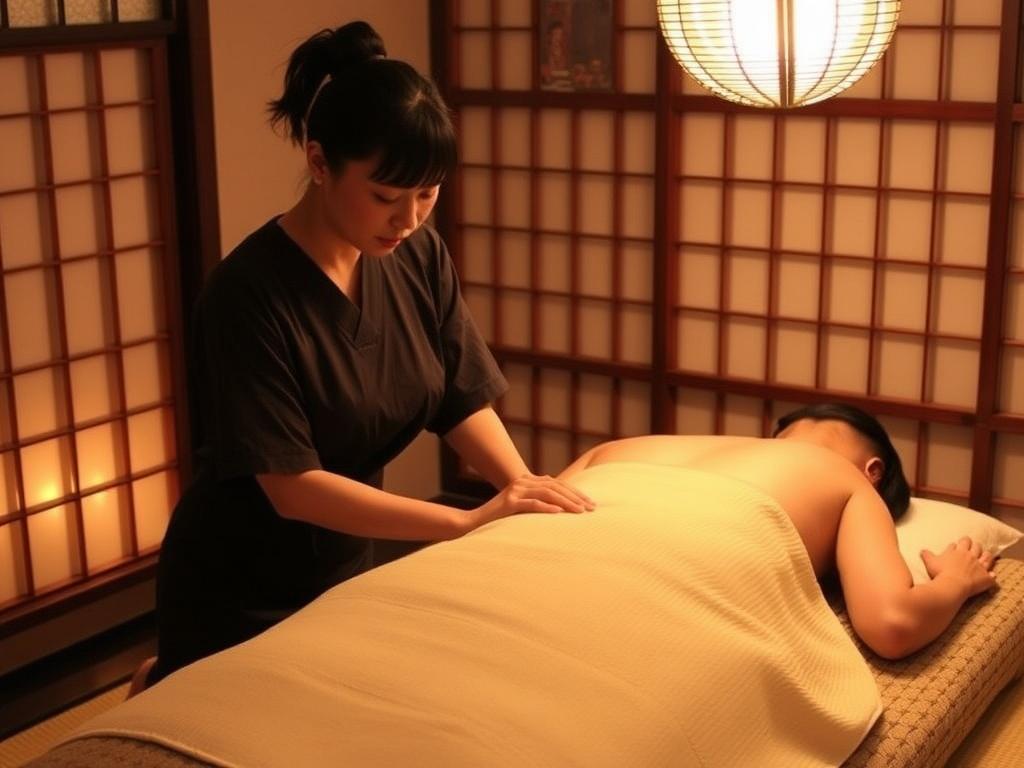
Japanese massage traditions are firmly grounded in therapeutic aims. Shiatsu, developed in the 20th century, uses thumb and palm pressure along energy lines to relieve tension. Anma, an older form, focuses on kneading and could be considered the ancestor of many modern techniques. These practices emphasize balance, breath, and deep tissue awareness rather than erotic stimulation. You’ll find shiatsu in licensed clinics, wellness centers, and some onsen (hot spring) resorts, where practitioners are trained and often certified.
When Massage and Escort Services Cross Paths
Outside clinical settings, the terms “massage” and “escort” sometimes intersect. In some massage parlors, particularly in cities worldwide, services advertised as therapeutic may include options or add-ons that are sexual in nature. In different cultural and legal contexts, businesses that offer companionship or escorted outings may also list massage among their services to broaden appeal. That overlap is the source of confusion and risk: legitimate therapists and legitimate escort services follow strict rules in many places, while rogue operators can blur lines and create unsafe situations.
Why the distinction matters
Knowing whether you are dealing with a licensed massage therapist, a companionship service, or an illicit operation affects your expectations, legal exposure, and personal safety. Licensed therapists focus on health outcomes and will decline requests that fall outside professional boundaries. Escort services—where legal—deal in companionship and social interaction. When those categories are mixed without clarity, it opens the door to scams, exploitation, and legal trouble.
Legal and Cultural Context: Japan and Beyond
In Japan, the landscape is nuanced. Therapeutic massage is regulated: practitioners often require training and registration depending on the prefecture. Separately, the sex industry exists under tightly controlled rules; certain activities are explicitly illegal, and others are permitted under regulated frameworks often referred to as fuzoku. Outside Japan, laws and norms vary widely—some countries completely prohibit paying for sex or certain escort services, while others allow consenting adult commercial arrangements under regulation.
Culture also shapes expectations. In Japan, hospitality (omotenashi) is taken seriously; professional massage therapists view their role as restorative rather than sexual. Conversely, in some urban nightlife districts, establishments may market “relaxation” services that appeal to different customer needs. Understanding local law and custom before engaging is essential.
How to Spot Reputable Services vs. Risky Offers
The difference between a reputable Japanese-style massage service and a risky operation often shows up in a few clear ways. Licensed clinics will list credentials, provide receipts, and operate visibly within commercial zones. Risky places tend to be secretive about pricing, avoid formal credentials, and push cash-only transactions. Paying attention to these markers helps you make safer choices.
- Red flags: no visible license, doors that close fully without signage, ambiguous service descriptions, cash-only requests, pressure to go off-site.
- Good signs: clear pricing, practitioner credentials, online reviews from verified sources, business listed on local registries, treatment focused on health goals.
- Neutral: escort agencies that openly advertise companionship services and operate within the legal framework of their country—these are neither therapeutic clinics nor illicit operations, but different services altogether.
Checklist before you book
- Verify practitioner or business credentials online and through local boards.
- Check reviews from multiple independent sources.
- Confirm what is included in treatment and what is explicitly not allowed.
- Avoid businesses that insist on anonymity or immediate cash payments without receipts.
- Be mindful of local laws around commercial sex and escort services.
Table: Comparing Types of Establishments
| Type of Establishment | Main Offer | Typical Setting | Indicators of Legitimacy |
|---|---|---|---|
| Licensed shiatsu/anma clinic | Therapeutic bodywork for pain and relaxation | Clinic rooms, wellness centers, onsen resorts | Licenses, receipts, medical referrals, trained staff |
| Spa & resort massage | Relaxation massage, spa treatments | Hotels, day spas, resort spas | Clear menu, trained therapists, written consent |
| Escort/companionship agency | Social companionship, events, sometimes non-therapeutic touch | Outings, private meetings, agency offices | Transparent pricing, agency terms, age verification |
| Unregulated “massage parlor” | Ambiguous services; may include sexual activity | Hidden locations, residential storefronts | Often lacks licensing, cash-only, vague listings |
Etiquette, Communication, and Boundaries

Whether you’re visiting a spa or meeting a companion through an agency, clear communication matters. For licensed therapists, describe your physical concerns, injuries, and any medical conditions up front. Respect professional boundaries: therapists will not engage in sexual acts and should not feel pressured. For escort services, confirm the scope of companionship, duration, and any boundaries beforehand to avoid misunderstandings.
Politeness and honesty go a long way in Japan and elsewhere. If you don’t speak the local language fluently, ask for an English-speaking staff member or use clear, simple phrases. If a request feels uncomfortable, withdraw politely and leave. Your comfort and the other person’s consent are non-negotiable.
Safety, Health, and Practical Tips
Safety spans personal comfort to public health. Choose establishments that maintain hygiene standards: clean linens, sanitization, and clear policies for illness. If a practitioner seems unwell, reschedule. Be mindful of sexually transmitted infections and routine health checks if engaging in sexual activity with a partner—this is standard health practice, not judgment.
- Bring identification if required; many legitimate places verify age.
- Use reputable payment methods that provide proof of transaction.
- Share your plans with a trusted friend if you’re meeting someone new in a private setting.
- Trust your instincts: if something feels off, end the appointment without argument and leave to a public space.
How to handle illegal or coercive situations
If you encounter coercion, trafficking indicators, or underage persons, disengage immediately and notify local authorities or appropriate hotlines. Avoid trying to resolve such situations yourself. Providing details to law enforcement or NGOs trained in these matters is the most constructive action.
Costs, Expectations, and Alternatives
Price ranges differ widely. Licensed therapeutic massage at a spa or clinic tends to be priced transparently based on duration and modality. Escort services usually charge by the hour or per event; reputable agencies provide clear contracts. If cost is a concern, community health centers sometimes offer low-cost or sliding-scale massage therapy, and many public onsen provide simple, affordable relaxation options.
If you seek intimacy or companionship, consider low-risk alternatives that prioritize consent and legality: speed-dating, social clubs, language exchange meetups, or travel companion services through vetted platforms. These options foster real connection without blurring professional boundaries.
Final practical reminders
Document bookings and keep receipts, verify credentials, set clear expectations before the appointment, and always prioritize consent and safety. The more transparent a business is about what it offers, the easier it is to make a sound choice.
Resources and Where to Learn More
If you want to dig deeper, look for national licensure boards for massage therapists, reputable travel guides for culturally appropriate spa practices, and local legal resources about the regulated sex industry in the area you’re visiting. NGOs and local health departments often publish safety guides for people who interact with commercial sex markets; these can be practical, nonjudgmental resources.
Conclusion
“Japanese massage escort” is a phrase that sits at the crossroads of health, hospitality, and commercial companionship; understanding the differences between therapeutic massage, legal escort services, and unregulated operations helps you make informed, safe choices. Seek out licensed practitioners when you want legitimate bodywork, use reputable agencies when you want legal companionship, and avoid ambiguous offers that disguise services or skirt local laws. Clear communication, respect for boundaries, and awareness of local regulations will keep the experience positive—for you and for the people providing the service.