

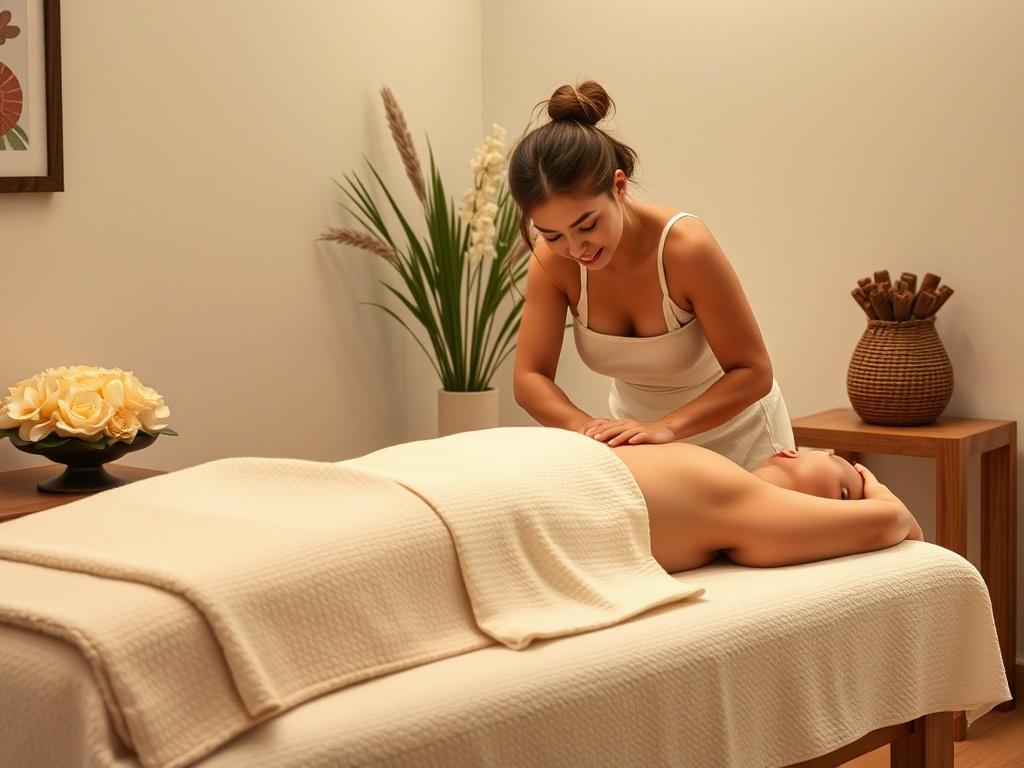
When you hear the words masseuses massage, what do you picture? A dim room, soft music, hands moving rhythmically over shoulders? That image is part accurate and part shorthand. Behind every competent session there’s a blend of technique, observation, client communication, and professional judgment. This article walks through the world of professional touch — from styles and training to ethics, safety, and what makes a great masseuse truly skilled. Read on and you’ll get practical advice, clear expectations, and a few surprises about this ancient but ever-evolving craft.
Why the Phrase “Masseuses Massage” Matters
Words carry context. Saying a masseuse gives a massage implies a service; saying masseuses massage highlights the people and their active practice. That subtle shift matters because it prompts you to think about the practitioner as a professional with knowledge and responsibility. It also moves the conversation away from a one-off event and toward a practice — a set of choices, habits, and ethics performed by an individual trained to work with bodies.
Language, Respect, and Professional Identity
Language shapes how we think about professions. Using terms that center the practitioner — masseuse, massage therapist, practitioner — helps remind clients and employers that this is regulated work in many places, often requiring certification. It also matters when setting expectations for boundaries and the scope of care.
The Long History Behind a Simple Gesture
Touch is one of the oldest therapeutic tools humans possess. Cultures across the world — from Ayurveda to traditional Chinese medicine, from ancient Greece to Indigenous practices — have used manual therapy to relieve pain, restore mobility, and soothe the mind. Modern massage integrates many of these influences while adding contemporary understanding of anatomy, pathology, and psychology.
How Historical Techniques Evolved into Modern Practice
Early forms of massage were often inseparable from ritual, religion, or general healing. Over time, certain methods — effleurage, petrissage, tapping — became codified. Today, a masseuse might draw on Swedish techniques for circulation, trigger-point work for localized pain, and sports massage sequences for athletes. The modern session is rarely one-size-fits-all; it’s a curated response to a client’s needs.
Common Types of Massage a Masseuse Might Perform
There are many modalities, each useful for different goals. Below is a compact breakdown that can help a client decide what to ask for and help a budding masseuse understand the landscape.
| Modality | Primary Use | Typical Techniques |
|---|---|---|
| Swedish | Relaxation, circulation | Long strokes, kneading, friction |
| Deep Tissue | Chronic tension, adhesions | Slow, sustained pressure, focused release |
| Sports | Performance, recovery | Compression, stretching, cross-fiber friction |
| Trigger Point Therapy | Pain referral, muscle knots | Ischemic compression, sustained pressure |
| Myofascial Release | Fascial restrictions, mobility | Gentle sustained stretching of fascia |
| Pregnancy (Prenatal) | Comfort during pregnancy, reduce swelling | Side-lying positioning, gentle techniques |
How a Masseuse Chooses a Technique
Choosing a technique involves assessment. A competent masseuse spends the first minutes asking about pain, recent injuries, and goals, and then palpates — feeling tissue quality, temperature, and tension. From there they pick a modality or blend methods. That decision is as much clinical judgment as it is craft.
What to Expect in a Typical Session
Not every session will be identical, but there’s a predictable flow that helps clients feel safe and get the most from their time. Knowing the rhythm reduces anxiety and improves outcomes.
- Intake: Brief questions about health history, current complaints, and goals.
- Consent and boundaries: Clarifying areas to avoid and acceptable pressure.
- Positioning: Comfortable draping and alignment to protect joints and spine.
- Massage: A sequence of warming, focused work, and finishing techniques.
- Aftercare conversation: Hydration, stretches, and signs to watch for.
How Long Should a Session Be?
Sessions commonly range from 30 to 90 minutes. Shorter sessions can target specific issues. Longer sessions allow for comprehensive assessment and deeper work. What matters more than exact minutes is whether the time is used efficiently and attentively.
How Masseuses Build Their Skills
Walking into a great massage takes training, repetition, feedback, and reflection. Formal education teaches anatomy, physiology, contraindications, and technique. Apprenticeship and supervised practice are where finesse develops — learning how much pressure a client tolerates, how tissue responds, and how to blend science with intuition.
Key Competencies
A skilled masseuse masters several interlocking competencies: palpation, pressure modulation, body mechanics (to avoid practitioner injury), verbal communication, and ethical boundary setting. Each of these affects the client’s experience and the longevity of the practitioner’s career.
Licensing, Certification, and Continuing Education
Regulation varies widely. Some regions require formal licenses based on standardized exams; others are less strict. Responsible masseuses pursue recognized certifications and keep learning — attending workshops, reading recent studies, and occasionally consulting with other health professionals. Continuing education ensures that practice evolves as science and best-practices shift.
Questions to Ask When Choosing a Massage School or Course

- Does the curriculum include anatomy, pathology, and ethics?
- How many supervised hands-on hours are required?
- Are instructors experienced clinicians with current practice?
- Are there opportunities for clinical observation or internships?
Safety, Contraindications, and When Not to Massage
Safety is non-negotiable. Certain conditions require caution or outright avoidance of massage. A responsible masseuse screens clients for infections, fever, deep vein thrombosis risk, recent surgeries, or other conditions that could worsen with manual therapy. When in doubt, they refer the client to a physician.
Red Flags That Call for Referral or Medical Clearance
- Unexplained swelling or sudden, severe pain
- Fever or signs of infection
- Recent cancer treatments without medical clearance
- Known blood clotting disorders or anticoagulant use
Communication: The Silent Skill That Shapes Every Massage
Good touch is informed touch, and touch is as much about listening as it is about hands. Skilled masseuses ask specific questions before and during the session and use short check-ins rather than long conversations that break relaxation. They also read nonverbal cues: guarded shoulders, shallow breathing, or flinches provide diagnostic information.
What to Tell Your Masseuse
Be concise and direct. Mention recent accidents, surgeries, chronic conditions, pain levels, preferred pressure, and areas to avoid. Honesty about medications and pregnancy status protects both of you. If a technique hurts in a way that feels wrong, say so promptly; “this is too much” is a helpful clinical signal.
Professional Ethics and Boundaries
Ethics in massage are about respect, dignity, and safety. A masseuse must never exploit vulnerability. This means clear informed consent, no sexualized behavior, appropriate draping, and transparent pricing. Professional associations provide codes of conduct that help practitioners navigate tricky moments—such as when a client becomes emotionally expressive during a session.
Handling Emotional Release in Sessions
Touch can evoke emotions. A skilled masseuse provides space for release without taking on the role of therapist. They acknowledge feelings gently, maintain boundaries, and, if needed, suggest appropriate mental health referrals. Holding a safe professional container is part of the craft.
Tools, Oils, and the Physical Environment
Small details matter. The right table height, a supportive bolster, skin-safe lubricants, and good lighting all shape the experience. Many masseuses keep variety in their toolkit—different oils for sensitive skin, heated towels for comfort, and tools for precision like cups or small ergonomic devices—used only when trained in their application.
Choosing Lubricants and Scents
Less is often more. Unscented or lightly scented oils reduce allergic reactions and don’t overwhelm clients. A masseuse will usually ask about fragrance sensitivity before adding aromatic elements. Cleanliness and hypoallergenic products should trump trendiness.
How a Masseuse Protects Their Body
Massage is physical labor. Practitioners who last treat their own bodies with the same care they give clients: they use proper body mechanics to avoid repetitive strain, schedule rest between heavy sessions, and do strength and mobility exercises to maintain endurance. Ergonomics at the table is a daily practice, not an optional add-on.
Simple Daily Practices for Practitioners
- Rotate tasks to avoid repetitive motion
- Use core and legs when applying pressure rather than over-relying on wrists
- Stretch and strengthen shoulders and back regularly
- Prioritize sleep and hydration
How Massage Benefits the Body and Mind
Massage produces a cascade of physical and psychological effects. Mechanically, it increases circulation and lymphatic flow, reduces muscle tension, and can improve range of motion. Neurologically, it calms the sympathetic nervous system, encourages parasympathetic shift, and often lowers perceived stress. Together, these effects help with recovery, sleep, and mood regulation.
Common Client Outcomes
Clients often report immediate relaxation, less pain, and improved sleep after sessions. For chronic conditions, regular therapy can reduce flare-ups and improve function. While individual results vary, consistency tends to produce measurable improvements.
Special Populations: How Practice Adapts
A masseuse works differently with athletes, pregnant clients, older adults, and people with chronic illnesses. Each population requires tailored approaches and sometimes collaboration with other healthcare providers. For instance, prenatal massage focuses on comfort and safety for the mother and fetus, while sports massage might incorporate assisted stretching and pre-event preparation.
Working with Older Adults
Older clients often present unique needs: thinner skin, joint replacements, or medications affecting circulation. The best practitioners adjust pressure, prioritize comfort, and monitor responses more frequently. The underlying principle remains the same: observe, ask, and respond.
Common Myths About Massage Debunked
There’s a lot of lore around massage. Separating fact from myth helps clients make better choices and keeps expectations realistic.
- Myth: Massage always has to hurt to be effective. Reality: Effective work can be firm without causing pain; pain can trigger protective muscle guarding.
- Myth: More oil means a better massage. Reality: Purposeful lubricant use is key; too much oil reduces grip and control.
- Myth: Once you stop, benefits disappear immediately. Reality: While some effects are short-term, consistent therapy builds longer-lasting improvements.
The Business of Being a Masseuse
Running massage as a profession mixes hospitality, healthcare, and entrepreneurship. Practitioners juggle bookings, client communication, sanitation, billing, and marketing. For many, the work includes ongoing learning, networking with chiropractors or physiotherapists, and cultivating a reputation built on reliability and outcomes.
Pricing, Packages, and Loyalty
Pricing strategies vary: per-session rates, packages for recurring clients, and premium pricing for specialized techniques. Loyalty programs help retain clients, while transparent cancellation policies protect the practitioner’s schedule and income. Clear, friendly communication about policy keeps relationships straightforward.
How to Choose the Right Masseuse for You
Choosing a practitioner is personal. Credentials matter, but so do communication style, approach to pressure, and interpersonal fit. Read bios and reviews, ask about experience with your specific issue, and use a trial session to see how you feel before committing to long-term plans.
Questions to Ask Prospective Masseuses
- What is your training and how long have you been practicing?
- Do you have experience with my specific condition?
- How do you manage pain during sessions?
- What continuing education do you pursue?
How to Prepare for Your Massage
Preparation improves outcomes. Hydrate before your appointment, arrive a few minutes early to fill out intake forms, and wear comfortable clothing. Avoid heavy meals immediately before a session. If you have medical conditions, bring brief documentation or be ready to summarize your history.
Aftercare: Small Actions, Big Impact
Aftercare helps extend benefits. Simple actions such as drinking water, gentle stretching, and resting for a little while after a deep session support recovery. If soreness occurs, it should be mild and short-lived; severe or lasting pain warrants follow-up with the masseuse or a healthcare provider.
Tools and Technologies Shaping Modern Massage
While hands remain central, tools have supplemented practice. Foam rollers, massage balls, percussive devices, and cupping sets appear in many clinics. Technology like booking apps and electronic health records streamlines practice management, freeing practitioners to focus on clients rather than clerical tasks.
When Technology Helps — and When it Doesn’t
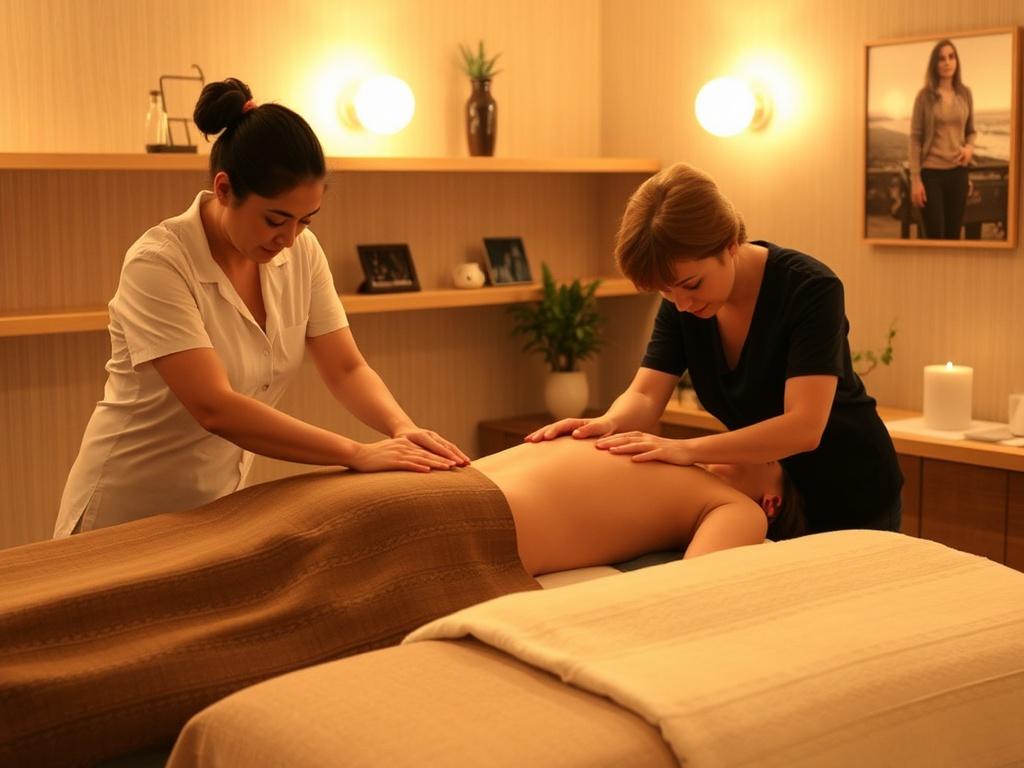
Tools can enhance precision and self-care, but they never replace clinical judgment. A masseuse who over-relies on gadgets without understanding tissue response risks suboptimal outcomes. The best practitioners integrate tools thoughtfully, using them to complement, not replace, skilled hands.
Sample Session Flow: What a 60-Minute Session Might Look Like
To make the abstract concrete, here’s a practical walkthrough of a typical 60-minute session a masseuse might lead. This gives clients a realistic sense of tempo and choices.
- Arrival and Intake (5 minutes): Quick forms, focused questions about pain and goals.
- Initial Assessment (5 minutes): Standing observation, palpation, and range-of-motion checks.
- Warm-Up (10 minutes): Swedish-style strokes to increase circulation and relax tissue.
- Focused Work (25 minutes): Deep tissue, trigger point release, or sports techniques on priority areas.
- Transition and Rebalancing (10 minutes): Gentle strokes, assisted stretches, myofascial release.
- Aftercare and Wrap-Up (5 minutes): Hydration advice, home stretches, and scheduling.
Comparing Techniques: A Quick Reference Table
| Technique | Pressure | Typical Use | Client Feeling |
|---|---|---|---|
| Effleurage | Light to Medium | Warm-up, relaxation | Soothing, rhythmic |
| Petrissage | Medium | Muscle kneading, circulation | Firm, centering |
| Friction | Medium to Deep | Tackle adhesions, scar tissue | Intense but localized |
| Ischemic Compression | Deep | Trigger point release | Strong, then relief |
Common Questions Clients Ask
Clients want to know if massage will fix their problem, whether it’s safe during pregnancy, or how frequently they should come. Honest answers matter: massage can be a powerful tool, but it’s rarely a standalone cure for complex medical issues. Frequency depends on goals — acute pain may require a series of close appointments, while maintenance might mean monthly visits.
How Quickly Will I Feel Better?
Some clients feel immediate relief; others need multiple sessions before noticing change. Tissue that has been tight for years takes time to remodel. Think of it as progressive care: regular, thoughtful input yields better outcomes than sporadic, intense attempts to “fix” everything at once.
Masseuses and Multidisciplinary Care
Massage fits best when it communicates with other healthcare modalities. Many practitioners collaborate with physical therapists, doctors, chiropractors, and mental health professionals. That team approach ensures that massage complements broader treatment plans and avoids redundancy or risk.
How to Coordinate Care
Clients should feel empowered to ask their provider for a referral or a summary of massage sessions if they’re working with other clinicians. With client permission, a short note from the masseuse to a referring clinician can clarify goals and progress and improve outcomes.
Future Trends in Massage Practice
The field is evolving. Expect more integration of evidence-based approaches, improved sanitation protocols, technology that personalizes client care, and a stronger emphasis on practitioner well-being. There’s also a growing recognition of trauma-informed approaches and diversity in client needs, prompting inclusive practices and better training on cultural competence.
Trauma-Informed Care and Massage
Trauma-informed massage prioritizes safety, choice, and collaboration. For some clients, touch can trigger traumatic memories; a trauma-informed masseuse uses clear consent processes, offers frequent check-ins, and provides options such as minimal-touch sessions or verbal-only cues. This approach increases accessibility and trust.
Practical Checklists
Here are two short checklists you can use immediately — one for clients and one for practitioners.
Client Checklist Before a Session
- Hydrate well the day of the appointment
- Note any recent injuries or medications
- Wear comfortable clothes and arrive early
- Decide on communication preferences (talk vs. silence)
Practitioner Checklist Between Clients
- Sanitize table and linens
- Review client intake and notes
- Adjust table height and bolsters
- Plan techniques based on current goals
When to Consider Alternatives or Additions to Massage
Massage is powerful, but not always sufficient. If pain persists despite appropriate sessions, or if neurological signs (numbness, weakness) appear, seek medical evaluation. Sometimes adding targeted physiotherapy, medical imaging, or specialist consultation accelerates progress. A masseuse who recognizes these limits is demonstrating clinical maturity.
Simple Rules of Thumb
- Improve in a few sessions? Continue with a plan.
- No change or worsening? Reassess and consider referral.
- New neurological symptoms? Stop and seek medical attention.
How to Give Better Feedback to Your Masseuse
Feedback improves outcomes. Be specific: instead of “that’s okay,” say “I prefer lighter pressure on my left shoulder” or “that feels great, more of that kind of work.” If you notice unusual soreness later, report it and describe exactly where and when it occurred. Good communication is a loop that benefits both parties.
Final Practical Tips for Clients
Regular small investments in care beat occasional heroic efforts. If your schedule allows, short but consistent sessions maintain mobility better than rare, intense treatments. Also, incorporate recommended home stretches and habits — those tiny daily choices compound into major gains.
Conclusion
Masseuses massage is more than a service; it’s a thoughtful practice that blends anatomy, hands-on skill, ethical care, and ongoing learning. Whether you’re a client seeking relief or a practitioner refining your craft, the essentials are the same: communicate clearly, prioritize safety, tailor techniques to individual needs, and view touch as part of a broader strategy for health. When done well, massage can be a quiet, transformative force — a partnership between two people working together toward comfort, function, and a better quality of life.