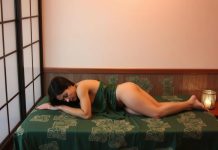


Walk into a New York street and you’ll feel the city’s pulse: brisk, layered, loud. Now imagine a practice that asks you to slow down, listen inward, and accept a deliberate, rhythmic pressure that travels along lines of tension you didn’t know existed. Japanese massage in New York brings that quieter, focused kind of relief to a city that prizes momentum. It’s not just another trendy treatment; it’s a set of techniques rooted in centuries of hands-on refinement. In this article I’ll walk you through what Japanese massage really is, how it differs from other bodywork, what to expect at a session, where to look for reputable practitioners in the city, and how to bring a little of that Japanese sensibility into your own routine.
What Is Japanese Massage?
“Japanese massage” is an umbrella term for several related practices that developed in Japan and emphasize pressure, alignment, and balance. Unlike many Western spa treatments that rely on oils and long gliding strokes, these techniques often use fingers, thumbs, palms, elbows, and sometimes the practitioner’s knees to apply steady, localized pressure. The intent is twofold: to relieve muscular tension and to restore a sense of internal balance, usually described in traditional terms as the flow of ki or energy, but experienced in concrete ways—less pain, easier breathing, better range of motion.
Two names you’ll hear most are shiatsu and anma. Shiatsu, which literally means “finger pressure,” adapts concepts from traditional East Asian medicine to a modern framework. It focuses on specific points and meridian lines, using steady pressure and stretches. Anma is older in lineage and emphasizes kneading, rubbing, and rhythmic motions; you’ll also see kobido mentioned—an intricate facial massage technique that speeds lymphatic drainage and promotes skin tone. Practitioners in New York often combine elements from several approaches, tailoring sessions to individual needs.
Historical Roots Without the Hype
The practices that form the backbone of Japanese massage evolved through a mix of indigenous Japanese bodywork, Chinese medical theory, and practical hands-on techniques used by temple monks, midwives, and working artisans. Over generations, methods were refined for therapeutic purposes, not just comfort. In the 20th century, certain teachers codified and formalized these techniques into schools and curricula, which helped spread them globally. That’s why, in New York, you can find therapists trained in both traditional schools from Japan and modern teaching programs that reinterpret the methods for contemporary clinical settings.
It’s important to strip away the exoticizing language sometimes used to sell a treatment. Japanese-style therapies are practical, tactile, and often elegantly simple. They don’t rely on mystical promises. Where they excel is in precise pressure, thoughtful sequencing, and a focus on functional movement—qualities that make them both accessible and effective in a city environment.
Key Techniques Explained
Understanding the main techniques helps you make sense of what you’ll experience. Here are the central styles you’re likely to encounter in New York:
- Shiatsu: Uses rhythmic finger and palm pressure along meridians. Sessions may include gentle stretches and joint mobilizations. Often done on a futon or massage table, clients may wear loose clothing.
- Anma: Focuses on kneading, lifting, and rhythmic percussion. It’s more muscular in approach, often incorporating deeper rubbing and rolling motions.
- Kobido (Japanese facial massage): A delicate but thorough facial technique, combining acupressure, lymphatic work, and specific strokes to enhance circulation and facial tone.
- Acupressure-style bodywork: Similar to shiatsu but sometimes adapted to Western anatomical language; pressure is applied to points associated with pain relief and muscle relaxation.
- Stretching and mobilization: Many practitioners integrate passive stretches and joint movements to improve flexibility and ease stiffness.
Although each technique has its own character, what ties them together is intention: precise touch, measured pressure, and an attention to how muscles and connective tissue respond. The practitioner watches and listens as much as they press. That responsiveness is what differentiates a routine massage from skilled Japanese bodywork.
How Japanese Massage Differs From Swedish, Deep Tissue, and Other Styles
People often ask, “Isn’t this just deep tissue?” Not exactly. Deep tissue massage applies broad pressure to break up adhesions and lengthen muscle fibers. Japanese techniques like shiatsu are less about brute force and more about targeting points and movement patterns. Sensation can be intense, but the pressure is usually sustained rather than repeatedly kneaded. There’s also a consistent focus on balance: shifting tension away from a modern complaint—neck stiffness from looking at screens, for example—back into healthier alignment.
Swedish massage tends to prioritize relaxation with long, flowing strokes, while Japanese methods emphasize structural release. That means you’ll leave a shiatsu session feeling more centered and often with a greater sense of mobility, whereas a Swedish session might feel more purely tranquil. Both have value; your choice depends on whether you want relaxation, correction of chronic issues, or a mix of both.
What to Expect During a Session
Knowing the flow of a session reduces anxiety and helps you get the most from the treatment. A typical booking in New York follows a similar arc:
- Initial intake: brief history of the issue, medical considerations, and your comfort with pressure.
- Preparation: some therapists work on a futon with you fully clothed; others use a table and light oil if they blend styles.
- Treatment: the practitioner applies pressure to points, works along meridians, and may use stretching. Talk during the session is often minimal; silence helps the therapist sense changes in tissue.
- Aftercare: a few minutes to sit up and reorient. Some therapists give self-care tips or recommend stretches.
Expect to communicate about pressure and comfort. Japanese-style work can feel deeply satisfying yet intense. It’s normal to have residual tenderness in some spots for a day or two, and many clients report improved posture or better sleep afterwards.
Typical Session Lengths, Pricing, and Practical Considerations
In New York, session lengths commonly range from 30 to 90 minutes. A focused 30-minute shiatsu can target a specific area like shoulders and neck, while 60 to 90 minutes allows full-body work and integration. Pricing varies widely by neighborhood and practitioner experience. As a broad guideline, you might expect:
| Session Length | Typical Price Range (approx.) | Best For |
|---|---|---|
| 30 minutes | $45–$90 | Focused areas, follow-up visits |
| 60 minutes | $80–$160 | Comprehensive treatment, full upper or lower body |
| 90 minutes | $120–$240 | Full-body work and in-depth structural work |
These figures are approximations: boutique spas, high-demand therapists, or specialists can charge more, while community clinics or training schools may offer lower rates. Always check cancellation policies—many New York practitioners require 24–48 hours notice—and consider tipping in line with local etiquette (roughly 15–20% if tipping is customary at the establishment).
How to Find a Good Japanese Massage Practitioner in New York
Finding the right practitioner is part craft, part detective work. Here are practical strategies to narrow the field:
- Search for practitioners who list shiatsu, anma, kobido, or specific Japanese training credentials on their profile.
- Look for membership in professional organizations—local or international shiatsu associations often post directories.
- Read reviews but weigh them: people praise ambiance and “good pressure,” which matters, but also prioritize content about results and consistency.
- Call and ask direct questions: where did you train, how long have you practiced shiatsu, do you treat specific conditions?
- Check for clean, safe facilities and adherence to state licensing laws—massage therapists in New York State should meet licensing requirements and display credentials as required.
Community resources can also help: Japanese cultural centers, wellness events, and local health fairs sometimes spotlight reputable practitioners. Learning schools and workshops are another way to meet therapists in a low-pressure setting; many maintain community clinics where students practice under supervision at reduced rates.
Benefits Supported by Evidence (and Practical Experience)
0
Claims about any therapy can outpace the science, so it helps to separate anecdote from evidence. Clinical studies on shiatsu and related techniques tend to be modest in size but consistently point toward several benefits: reduced musculoskeletal pain, improved sleep quality, decreased stress and anxiety, and short-term improvement in range of motion. In practical terms, many New Yorkers report that regular sessions help them manage chronic neck and back tension, calm anxiety after a stressful week, and recover more quickly from muscular strain.
Because Japanese massage emphasizes joint mobility and targeted pressure, it can be especially helpful for people whose discomfort is postural or movement-related—those who sit at desks, commute long hours, or perform repetitive tasks. That said, benefits depend on the skill of the therapist and how well sessions are integrated into an overall care plan including stretching, exercise, and, when needed, medical guidance.
Safety, Contraindications, and When to See a Doctor
Japanese-style bodywork is generally safe for healthy adults, but there are important exceptions. Avoid or modify treatment if you have:
- Recent fractures, severe osteoporosis, or unstable spinal conditions
- Uncontrolled high blood pressure or certain cardiovascular conditions
- Deep vein thrombosis or heightened clotting risk
- Skin infections, open wounds, or severe rashes in the treatment area
- Fever or significant acute illness
Pregnancy isn’t an automatic disqualifier, but it requires a practitioner familiar with prenatal modifications. If you have major health concerns, get a medical clearance before booking intense manual therapy. Always tell the therapist about medications such as blood thinners or if you have altered sensation; safe practitioners will adapt pressure and avoid risky techniques.
Practical Questions to Ask Before Booking
When you’re deciding between practitioners, a brief phone call can be revealing. Ask:
- Where and with whom did you train?
- Do you specialize in shiatsu, anma, kobido, or a blend?
- How would you approach my specific issue (neck pain, insomnia, facial tension)?
- Do you require a medical referral for therapeutic sessions?
- What is your cancellation policy and payment method?
Good therapists appreciate questions and will answer clearly. If someone avoids specifics about training or safety, consider that a red flag.
Preparing for Your First Visit
A little preparation ensures a smoother, more effective session. Here’s a simple checklist:
- Wear loose, comfortable clothing—many shiatsu therapists work with clients clothed; think sweatpants and a T-shirt.
- Avoid heavy meals or alcohol right before your appointment.
- Hydrate well during the day; fluid helps tissues respond to manipulation.
- Arrive 10–15 minutes early to fill out forms and settle in.
- Be ready to describe symptoms clearly—what hurts, when, and whether anything helps or makes it worse.
Tell the therapist about any medications, recent injuries, or medical devices. If you’re shy about certain areas of the body, say so—trust and comfort are part of successful treatment.
At-Home Practices Inspired by Japanese Massage
You don’t need to visit a studio every day to enjoy some of the benefits. Small, safe practices can extend the effects of in-person sessions. Try these short routines:
- Neck release: gently press the base of the skull with fingers and nod forward and back slowly. Repeat for 1–2 minutes.
- Shoulder sink: use the heel of your palm to apply steady pressure to the trapezius (the area between neck and shoulder) for 20–30 seconds per side.
- Jaw softener: trace the jawline with thumbs in small circles to reduce clenching; do this for 1–2 minutes.
- Facial refresher: light upward strokes across the cheeks and forehead to stimulate circulation—use a gentle oil or moisturizer.
These are supportive practices, not substitutes for professional care when you have persistent pain. If any movement sharpens your pain, stop and consult a licensed therapist or physician.
Acupressure Points You Can Try
Here are a few commonly used points that are safe for most people. Apply steady, firm pressure with your thumb for 20–60 seconds, breathing slowly:
| Point | Location | Common Use |
|---|---|---|
| GB20 (Fengchi) | Just below the base of the skull, in the hollows on either side of the neck | Relieves headache, neck tension, and eye strain |
| LI4 (Hegu) | Web between thumb and index finger | General pain relief, tension across the face and head |
| ST36 (Zusanli) | About four finger-widths below the kneecap, one finger-width lateral from the shin bone | Boosts energy, aids digestion, general well-being |
| Yintang | Between the eyebrows, slightly above the bridge of the nose | Calming anxiety, improving sleep |
Use caution around sensitive areas; avoid strong pressure if you’re pregnant or have certain medical conditions. If in doubt, get a professional consultation before stimulating points for therapeutic effect.
Learning Japanese Massage in New York

If the practice fascinates you, New York offers learning pathways ranging from weekend workshops to comprehensive training programs. Community-based studios often host introductory classes that let you experience technique safely and learn the basics of pressure and body mechanics. For deeper work, look for programs that include hands-on practice, anatomy training, and supervised clinic hours.
When evaluating a program, ask about the instructor’s background, the balance of theory and practical hours, and whether the curriculum covers client safety and contra-indications. Training opens doors beyond personal practice: many graduates work in clinics, wellness centers, and integrative health settings across the city.
How Japanese Massage Fits into a Holistic Wellness Plan
Japanese massage rarely exists in isolation for New Yorkers who are serious about health. It pairs well with physical therapy, yoga, chiropractic care, and mindful practices such as breathwork or meditation. The hands-on work can reduce pain and improve mobility, making movement-based therapies more effective. Conversely, movement practices and ergonomic adjustments can prolong the benefits of a shiatsu session by addressing the behavioral causes of tension.
Consider coordinating care: share information with your other providers and, when appropriate, ask your massage therapist for exercises or posture cues that reinforce what you work on in other settings. This collaborative approach produces the best outcomes in a complex urban lifestyle.
Frequently Asked Questions
- Will it hurt? Some spots may feel intensely tender during work on sensitive areas, but a skilled therapist manages pressure and will modify if you ask. Post-session soreness is common but usually mild and short-lived.
- Is it scientific? Elements of Japanese massage—acupressure, stretching, and connective tissue work—have been studied and shown to offer benefits for pain and stress. The field blends traditional concepts with practical, evidence-informed techniques.
- Do I need to disrobe? Many practitioners perform shiatsu fully clothed on a futon. If oil and a table are used, you’ll be given a modesty drape and clear instructions. Always communicate your comfort level up front.
- How often should I go? That depends on your goals. For acute issues, weekly sessions for several weeks are common. For maintenance and stress management, monthly visits often suffice.
- Can children or older adults receive shiatsu? Yes, with proper modifications. Seek practitioners experienced with the age group and inform them of any health concerns beforehand.
Finding Value: What Makes a Session Worth It in New York
Value isn’t just price per minute. A truly valuable session aligns technique with clarity about goals, respects safety, and equips you with follow-up care. In New York, where time is precious, look for therapists who give you immediate, practical tools—postural tips, concise home routines, and clear signs of progress. That combination turns a one-off session into lasting improvement.
Common Myths and Misunderstandings
There are a few myths worth debunking. Myth one: Japanese massage is only about energy or ki. While traditional language uses terms like ki, the practical benefits are measurable: altered muscle tone, improved circulation, and reduced nervous-system arousal. Myth two: it is always gentle. The work can be firm and corrective. Myth three: you need to be “open to Eastern philosophies” to benefit. You only need to be open to focused touch and clear communication with your therapist.
Integrating Sessions into a Busy New York Life
Fitting care into a packed schedule is a practical challenge. Short sessions can be surprisingly effective when frequent—two 30-minute visits spaced across a month often outpace a single 90-minute session. Many practitioners offer early-morning or evening slots to accommodate commutes. Consider neighborhood clinics near your office so you can schedule a lunch-time tune-up when your body starts rebelling at midday.
Community and Cultural Connections
New York’s Japanese wellness community is vibrant but varied. You’ll find traditionalists who trained in Japan, fusion practitioners who blend modalities, and community clinics that prioritize accessibility. Cultural organizations sometimes host talks or demonstrations, which are excellent low-pressure ways to see techniques and ask questions. If authenticity matters to you, a little research—asking about lineage and training—goes a long way.
Making the Most of Your Sessions: A 30-Day Plan
If you want to test the effects of Japanese massage in a measurable way, try a 30-day regimen. Book an initial 60-minute session, follow up with two 30-minute sessions during the month, and complement the work with short daily self-care routines I listed earlier. Keep a journal of pain levels, sleep quality, and mobility. Many people notice shifts in posture and stress within weeks, giving them clearer signals about what to continue.
When to Consider Integrative or Medical Referral
Japanese massage is a powerful adjunct to medical treatment but not a replacement for it. If your symptoms are progressive, involve neurologic deficits (numbness, weakness), unexpected weight loss, or unrelenting night pain, seek medical evaluation promptly. Likewise, if you have a chronic condition such as rheumatoid arthritis or cancer, coordinate care with your physician and choose therapists experienced in working with complex health needs.
Final Practical Tips
- Keep communication clear: tell the therapist what helps and what doesn’t.
- Hydrate after sessions to help tissues recover.
- Track patterns: notice whether pain moves or eases after specific techniques.
- Combine touch with movement: gentle stretching, yoga, or walking maintains gains.
- Be discerning: price alone doesn’t equate to skill; credentials, references, and the practitioner’s listening skills matter more.
Conclusion
Japanese massage in New York offers a pragmatic, hands-on way to manage the physical toll of city life—precise pressure, thoughtful sequencing, and an emphasis on functional movement rather than mere pampering. Whether you choose shiatsu, anma, kobido, or a tailored blend, prioritize a practitioner who listens, explains, and adapts. With consistent sessions, small at-home practices, and coordination with other care providers, you can turn a few visits into lasting improvements in pain, mobility, and how you feel moving through the city every day.