
Tantric massage often arrives in conversation wrapped in mystery and curiosity. People hear the word “tantra” and imagine exotic rituals, whispered secrets, or something strictly sexual. Strip away the myths and what remains is an old, layered practice that combines breath, touch, attention, and intention in ways that slow you down and help you feel more alive in your body. This article explains what tantric massage actually is, how it differs from other bodywork, how to prepare for a session, basic techniques and boundaries, safety and contraindications, training and ethics, and practical tips for integrating its benefits into daily life.
My goal here is straightforward: give you clear, practical information that respects tantra’s spiritual roots while keeping the discussion anchored in safety, consent, and modern therapeutic contexts. Whether you’re curious, considering a session with a trained practitioner, or simply want to understand how breath and touch can be used to cultivate presence, read on. I’ll cover history, principles, a comparison table, step-by-step preparation, a rundown of common techniques, ethical considerations, and questions people usually ask.
What Is Tantric Massage?
Tantric massage is a form of bodywork influenced by tantric philosophies that emphasize energy, awareness, and the integration of physical and subtle experience. Unlike some portrayals that focus solely on arousal, genuine tantric massage places equal weight on breath, relaxation, sensory awareness, and energetic presence. The touch itself can be slow and deliberate, sometimes exploratory, always holding space for the recipient’s responses. The aim is often to expand awareness rather than to achieve a particular outcome.
At its heart, tantra is a broad spiritual tradition with roots in South Asia, not just a single technique. Over centuries it evolved into many lineages—some devotional, some meditative, some ritualistic. Tantric massage is a modern adaptation that pulls from these ideas: using mindful touch, breath, and intention to facilitate a full-bodied experience. Many contemporary practitioners blend elements from shiatsu, Swedish massage, breathwork, somatic therapy, and energy work.
Core Principles
Several recurring principles define the practice:
- Presence: Touch is anchored in attention and sustained contact, not rushing.
- Consent and boundaries: Clear agreements guide the session—and can change at any time.
- Breath awareness: Breath is used to guide sensation, release tension, and synchronize mind and body.
- Energy sensitivity: Practitioners track subtle shifts in warmth, flow, and tension, though interpretations vary.
- Non-goal orientation: The session is an exploration rather than a task-driven procedure.
How Tantric Massage Differs from Other Types of Massage
When comparing tantric massage to modalities like Swedish, deep tissue, or clinical massage, the differences are both practical and philosophical. Swedish massage focuses on circulation and muscular relaxation through techniques standardized for clinical and spa settings. Deep tissue targets chronic muscle tension with firmer pressure. Tantric massage, by contrast, emphasizes the relational aspect of touch and the role of breath and attention in shaping sensation.
Here’s a quick comparison to highlight the contrasts and overlap:
| Aspect | Tantric Massage | Other Common Modalities |
|---|---|---|
| Primary focus | Awareness, breath, energy, presence | Muscle function, pain relief, circulation |
| Typical pressure | Variable; often slow, exploratory, occasionally light to moderate | Light (Swedish) to deep (deep tissue) |
| Intent | Integration of body and mind; expanded sensation | Therapeutic outcomes (pain reduction, mobility), relaxation |
| Role of breath | Central to the practice | Occasional or supportive |
| Boundaries and consent | Discussed in depth; ongoing consent crucial | Standard consent; boundaries may be less elaborated |
Who Seeks Tantric Massage?
People arrive for tantric massage with different goals: stress reduction, a desire to feel more embodied, curiosity about subtle aspects of sensation, recovery from dissociation, or even to rejuvenate intimacy in relationships. Some seek a spiritual experience; others want a deeply relaxing bodywork session. Importantly, good practitioners make space for all of these intentions and tailor the approach to individual needs.
Setting and Preparation: Creating a Safe, Sacred-Like Space
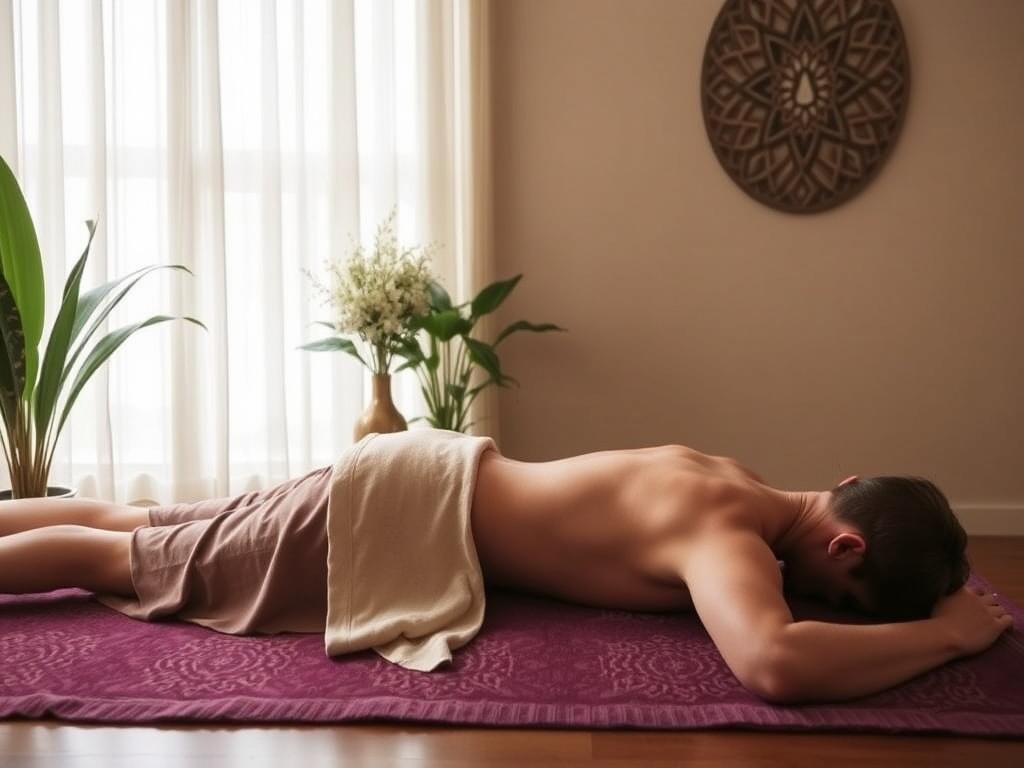
Environment matters. A supportive setting helps the nervous system relax and invites deeper presence. You don’t need candles and an altar to receive quality touch, but certain elements reliably enhance comfort: a warm room, a comfortable surface for lying down, soft but clear lighting, a quiet soundtrack if desired, and minimal interruptions. Many practitioners provide linens and maintain a clean, professional atmosphere.
What to Discuss Before a Session
Communication is the most important preparation. A pre-session conversation typically covers:
- Health history and any contraindications (recent surgery, pregnancy, skin conditions, blood clots)
- Comfort with different kinds of touch and nudity
- Intention for the session (relaxation, exploration, stress release)
- Boundaries and safe words or signals
- Duration and cost
Practitioners often ask about medications, mental health conditions, and past trauma. Full disclosure keeps sessions safe and effective; you can withhold explicit details if you’re uneasy, but mention anything that affects your body or mental state.
How to Prepare Personally
On the day of a session, practical steps help you arrive present: avoid heavy meals right before, turn off your phone, wear loose clothing, and allow time to arrive without rushing. Hydration matters—drink water before and after. If you’ve never experienced breathwork or energy-based touch, consider trying a short breathing practice beforehand to acclimate your nervous system to slower rhythms.
What Happens During a Tantric Massage Session?
Every practitioner brings their own approach, but most sessions follow a general flow. The beginning often centers on grounding and consent-checking. The middle explores breath-synchronized touch and presence. The end integrates and closes with gentle contact, allowing the nervous system to settle.
Typical Session Structure
- Intake and intention-setting: A short conversation to clarify goals, boundaries, and safety needs.
- Grounding and breath: Guided breathing or simple techniques to invite relaxation.
- Full-body scanning touch: Slow, mindful strokes across the back, shoulders, arms, legs, and torso to increase awareness.
- Focused exploration: Longer holds or circular motions in areas of tension or energetic interest.
- Integration and closing: Gentle touch and silence to let sensations settle, plus hydration and aftercare suggestions.
Some sessions include seated work, light sensual touch, or energy-hands hovering above the body. Importantly, sexual stimulation is not a required component; many practitioners explicitly avoid sexualized touch unless the session is announced and agreed upon as erotic or couples-oriented.
Techniques and Tools
Techniques used in tantric massage borrow from multiple traditions yet remain adaptable. Common methods include:
- Long, slow strokes: Encourage circulation and awareness of the skin.
- Palming and cupping: Holding energy and providing steady contact.
- Feathering and light touch: To increase sensory clarity and subtlety.
- Breath synchronization: Practitioners guide or follow the client’s breath to deepen presence.
- Sound and humming: Low tones can support vagal regulation; used sparingly and intentionally.
Some practitioners incorporate natural oils to enhance glide and scent, while others prefer a dry approach. Oils should always be skin-safe and disclosed beforehand to avoid allergic reactions.
Boundaries, Consent, and Ethics
Consent is foundational. A trustworthy practitioner discusses limits and respects them continuously. Boundaries are not static: a client might feel comfortable with one kind of touch at the beginning and want to adjust mid-session. The practitioner’s role is to remain attentive, check in when appropriate, and never coerce.
Red Flags to Watch For
Not every person offering “tantric massage” is trained or ethical. Watch out for practices that pressure you into sexual acts, avoid clear intake and boundary-setting, fail to provide professional credentials, or have inconsistent or secretive policies about nudity. If anything feels coercive, you should leave and report the practitioner to local licensing bodies if relevant.
Professional Standards
There’s no single international standard for tantric massage. Some practitioners are licensed massage therapists who add tantric-informed skills; others train in body-centered or somatic modalities. When seeking a practitioner, ask about their background, how they handle consent, and whether they have trauma-informed training. You can also request a preview conversation or meet-and-greet.
Benefits and Evidence
Scientific research specifically on tantric massage is limited, but related studies on touch, breathwork, and mindful bodywork indicate meaningful benefits. Physical touch stimulates the parasympathetic nervous system, lowers cortisol, and can reduce heart rate and blood pressure. Breathwork influences autonomic regulation and emotional processing. When combined thoughtfully, these elements can improve stress resilience, body awareness, and sexual well-being.
People commonly report benefits such as deeper relaxation, reduced anxiety, clearer presence, improved sleep, and enhanced intimacy with partners. For some, the experience can be profoundly moving—tears, emotional release, or surprising sensations are not uncommon. It’s important to recognize these responses as part of nervous system regulation and integration, not as pathological reactions.
Risks and Contraindications
Tantric massage is not suitable for everyone. Contraindications include certain cardiovascular conditions, fever, contagious skin conditions, deep vein thrombosis, uncontrolled psychiatric symptoms, and some stages of pregnancy unless the practitioner has specific prenatal training. If you have medical concerns, get consent from your healthcare provider before booking a session.
Emotional safety is also crucial. People with unresolved trauma can benefit from trauma-informed practitioners, but such sessions require slower pacing, explicit boundaries, and perhaps integration work with a therapist. If a practitioner is not trauma-competent and you have a trauma history, proceed cautiously or choose a therapist with the proper background.
Training, Certification, and Choosing a Practitioner
Because there is no single governing body for tantric massage, researching the practitioner matters. Look for those who combine formal massage training, a clear ethical code, and specific training in tantra-informed touch. Many credible practitioners list their training, provide client testimonials, and offer introductory conversations.
Questions to Ask a Prospective Practitioner
- What is your training and professional background?
- Do you have experience with trauma-informed care?
- How do you manage consent and boundaries during a session?
- What would you do if I became uncomfortable during the session?
- Do you have references or testimonials I can review?
A good practitioner will welcome these questions and answer them clearly. If answers are evasive or you feel pressured, that’s a sign to walk away.
Different Contexts: Couples, Therapeutic, and Erotic Tantric Massage
Tantric massage appears in diverse contexts. Couples may practice short rituals at home to build intimacy and attunement. Clinically oriented practitioners may focus on bodywork skills to relieve chronic tension while maintaining non-sexual boundaries. Erotic tantric massage is another stream, often clearly labeled as such, where consensual sexual arousal is intentionally part of the session. Each context requires its own explicit agreements.
Guidelines for Couples
Couples exploring tantric massage together can benefit from a few simple rules: agree on clear boundaries beforehand, designate non-verbal safety signals, start with short practices of breath and touch, and prioritize curiosity over performance. Practice in a quiet, comfortable space and allow time afterward to talk or simply share silence.
DIY Practices and Home Rituals
You don’t need a professional for simple, gentle practices that borrow from tantric massage principles. At home, you can cultivate more presence and pleasure through breathing, slow touch, and attentive listening to sensation. These practices can be solo—helpful for body reconnection—or shared with a partner, provided consent and clear communication are present.
Simple Solo Practice
- Find a warm, quiet space and set aside 20–45 minutes.
- Lie down or sit comfortably and take several deep, slow breaths to ground your attention.
- Use your hands to gently explore your arms, neck, and shoulders with slow, intentional strokes—notice temperature, pressure, and sensation.
- Shift attention to your breath and observe how touch and breathing influence one another.
- Finish with a few minutes of stillness, focusing on how your body feels.
For partners, mirror this structure but keep intent and consent explicit. Start with clothed practice if either person feels vulnerable, and progress slowly.
Common Myths and Misconceptions
There are a few myths that keep people from exploring tantric massage wisely. Myth: tantric massage is inherently sexual or illicit. Reality: while some sessions include erotic elements, many are non-sexual and emphasize presence and healing. Myth: tantra is a quick fix for relationship problems. Reality: it can improve communication and embodied presence, but lasting relational change depends on consistent practice and mutual effort. Myth: you must adopt exotic rituals or beliefs to benefit. Reality: the core elements—breath, attention, intentional touch—are accessible to anyone and can be tailored to cultural and personal preferences.
Practical Tips for a First Session
Preparing for your first session can reduce anxiety and enhance the experience. Here are practical suggestions to help you get the most from your time:
- Arrive early to settle and sign any necessary forms.
- Eat lightly and avoid alcohol or recreational drugs before a session.
- Wear or bring loose, comfortable clothing; ask about nudity expectations beforehand.
- Bring a small towel or eye covering if that helps you relax.
- Plan quiet time after the session for integration—don’t schedule demanding activities right away.
Integration and Aftercare
After a session, the nervous system may feel calmer, or you might experience tiredness, emotional shifts, or increased sensitivity. Integration is the process of making space for those changes. Drink water, rest, journal any notable feelings, and if necessary, talk with a trusted friend or therapist. Gentle movement like walking or stretching can also help ground sensations.
When to Seek Follow-Up Support
If a session triggers unexpectedly intense emotions or resurfaced trauma, seek a trauma-informed therapist. A few sessions with a practitioner who understands integration can be helpful, but professional mental health support is important for processing deeper material safely.
Frequently Asked Questions
- Is tantric massage the same as sexual massage? No. Some tantric sessions include erotic elements if both parties consent, but many sessions are non-sexual and focus on breath, relaxation, and presence.
- Will I be pressured into sexual activity? A credible practitioner will never pressure you. Consent and clear boundaries are essential parts of a professional session.
- How long is a typical session? Sessions usually range from 60 to 120 minutes, depending on the practitioner and the client’s needs.
- Can I receive a tantric massage if I have a history of trauma? Yes, with caveats. Choose a trauma-informed practitioner and discuss pacing and boundaries beforehand. You may prefer a therapist skilled in somatic trauma work.
- Do I need to be flexible or experienced with bodywork? No. Practitioners meet clients where they are, and sessions can be adapted for beginners or people with limited mobility.
Resources and Further Learning
If you want to learn more, look for reputable sources: formal trainings in massage therapy, somatic psychotherapy programs, books by trauma-informed bodyworkers, and workshops led by experienced, credentialed facilitators. When evaluating resources, prioritize those that emphasize consent, safety, and integration over sensational claims. Community reviews, professional directories, and local licensing boards can also help verify a practitioner’s credibility.
Table: Quick Reference Guide
| Question | Quick Answer |
|---|---|
| Is it sexual? | Not inherently; it can be non-sexual, sensual, or erotic depending on explicit agreement. |
| How long? | Commonly 60–120 minutes. |
| How to prepare? | Hydrate, avoid heavy meals, communicate boundaries, arrive early. |
| Who should avoid it? | People with certain medical conditions, uncontrolled psychiatric symptoms, or recent surgeries—consult a doctor. |
| Key benefit | Increased body awareness, relaxation, emotional integration. |
Ethical and Cultural Considerations
Tantra originates from cultures with their own languages, rituals, and contexts. When practicing or learning, honor that lineage without exoticizing or appropriating. Respectful curiosity means crediting sources, learning from teachers who practice with cultural integrity, and avoiding commercialized shortcuts that misrepresent traditions. At the same time, adapt practices in ways that respect your personal, cultural, and spiritual identity.
When Tantric Massage Is Not the Right Choice
Tantric massage is not a universal remedy. If you’re seeking definitive medical treatment, urgent mental health care, or rehabilitation for a serious condition, specialized medical or psychiatric interventions are primary. Similarly, if a practitioner’s approach feels coercive or if the session increases distress without appropriate support, it’s not the right fit. Trust your instincts—professional, ethical practitioners prioritize your safety above all.
Final Practical Checklist Before Booking
- Confirm the practitioner’s training and experience.
- Ask about trauma-informed practices and boundaries.
- Verify the location, cleanliness, and privacy of the space.
- Discuss fees, cancellations, and what happens in case of discomfort.
- Plan integration time after the session.
Conclusion
Tantric massage is a thoughtful, presence-centered form of bodywork that uses breath, touch, and intention to foster embodied awareness and relaxation. It can be profoundly restorative when practiced within a framework of informed consent, ethical standards, and safety. Whether you’re curious about a professional session, interested in gentle home practices, or exploring ways to deepen connection with a partner, approaching tantric massage with clear communication and respect for personal boundaries will help you get the most from the experience. If you decide to try it, choose a trained, trauma-aware practitioner, prepare practically and emotionally, and allow time to integrate what arises—your body and mind will tell you what they need next.