

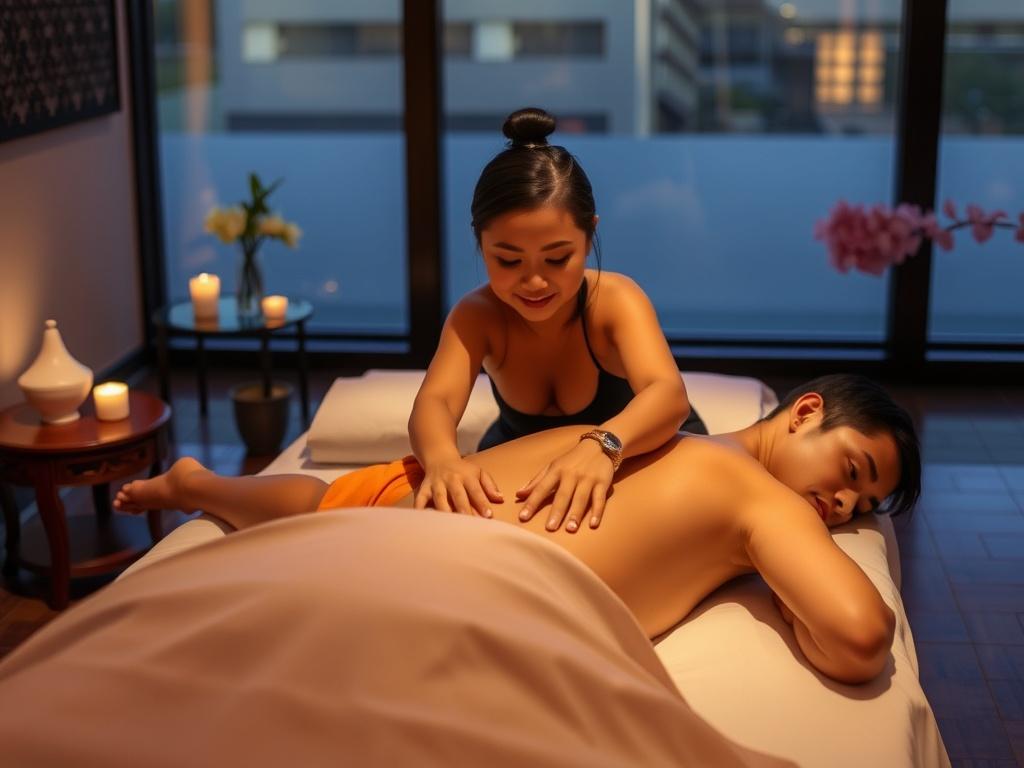
When you type “thai massage xxx” into a search bar, the results can send you in two opposite directions: one toward centuries-old healing methods, the other toward commercialized or sexualized interpretations. If you’re curious about what genuine Thai massage is and how to find a professional, respectful practitioner, this article will take you through the history, techniques, expectations, safety, and practical tips—step by step—so you can make informed choices and get the most from the experience.
What Thai Massage Really Is
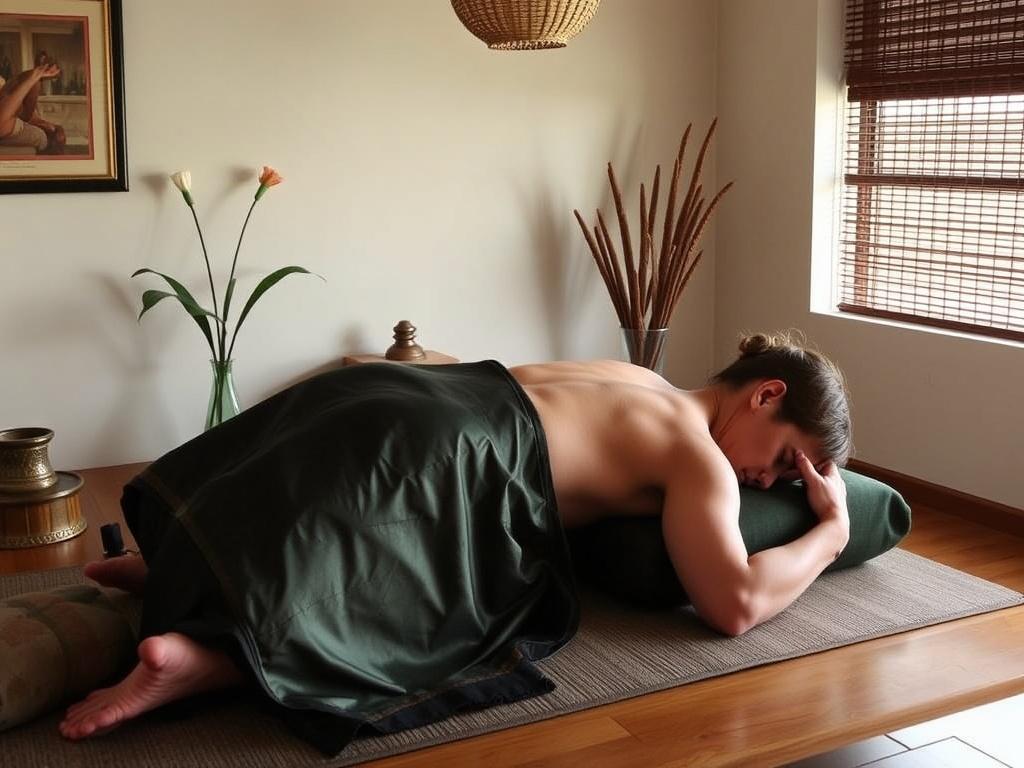
Thai massage, or nuad thai, began in the monasteries of ancient Thailand and combines assisted yoga-like stretches, rhythmic compressions, and acupressure along energy lines known as sen. Unlike a typical Western massage where the client lies on a table and the therapist rubs with oil, classical Thai massage is performed on a padded mat on the floor while the recipient remains fully clothed. It’s a hands-on, whole-body practice aimed at improving mobility, releasing tension, and promoting balance.
Origins and philosophy
The method blends Indian Ayurvedic concepts with Chinese medicine and indigenous Thai healing traditions. Historically, it was practiced by monks as part of temple healing. Its goal is less about muscular manipulation for sports performance and more about restoring flow—both in the body’s tissues and in its subtle energy channels. That background shapes a style that often feels like moving meditation.
Common techniques
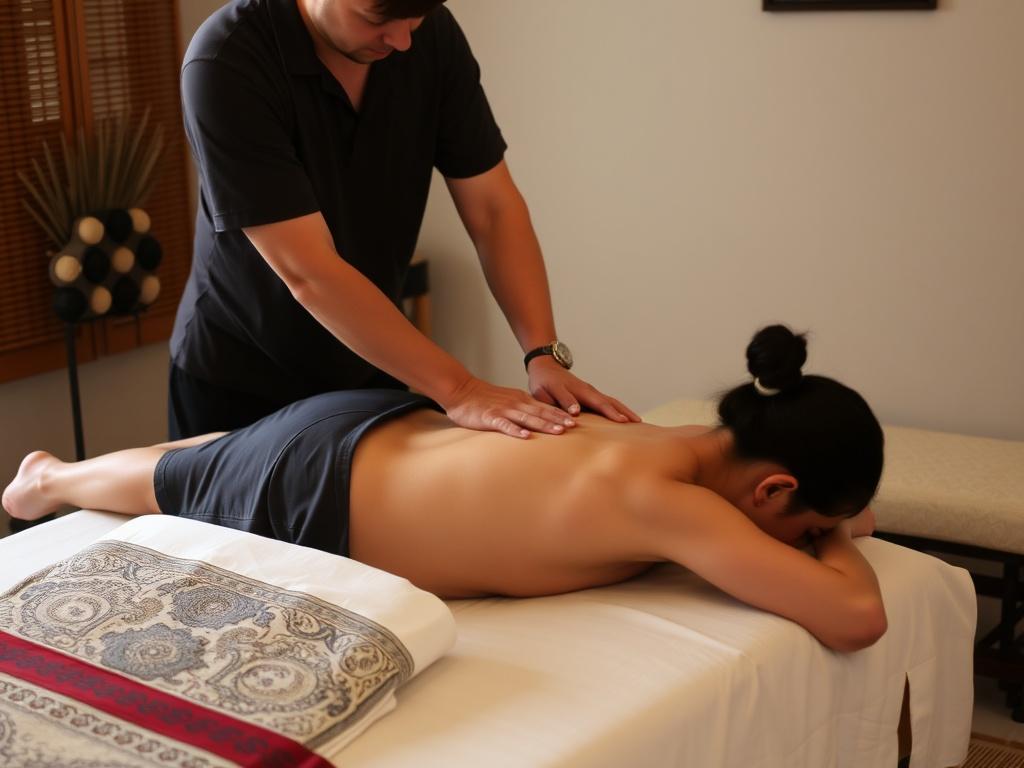
A typical session may include:
- Passive stretching—where the therapist moves your limbs through ranges of motion
- Palming and thumb pressure along sen lines
- Rhythmic compressions using palms, forearms, or feet
- Joint mobilizations and gentle rocking
These techniques can vary—from gentle and restorative to firm and vigorous—depending on training and the goals you and your therapist set together.
Why “xxx” Appears and How to Navigate That
The letters “xxx” often show up online because Thai massage has been misrepresented or conflated with sexual services in some marketplaces and listings. This problem is not unique to Thai massage. It’s the result of commercial exploitation, inconsistent regulation, and the unfortunate tendency for some establishments to offer illicit services under the guise of therapeutic work.
How to avoid the sexualized or unprofessional options
- Look for accredited training credentials or membership in a recognized massage association.
- Read client reviews that describe the session in detail—mentions of technique, comfort, and results are good signs.
- A professional clinic will have a clear, written intake form and policies about draping, boundaries, and consent.
- Trust your instincts: if the communication before booking sounds sexual, or the venue is unclear about health and safety, walk away.
When you search for “thai massage xxx,” use additional qualifiers like “therapeutic,” “certified,” or “licensed” to filter results toward reputable practices.
What to Expect in a Professional Thai Massage Session
A well-run clinic will start with a consultation: health history, current concerns, and anything you’d like the therapist to avoid. You’ll be given loose, comfortable clothing to wear during the session. The therapist will explain the approach, ask about pressure preference, and check in during the massage.
Sessions usually last 60–120 minutes. A shorter session might focus on specific areas like lower back or neck; a longer session tends to be full-body. Expect hands, elbows, feet, and knees to be used for pressure, and expect to be moved into passive stretches rather than actively performing them yourself.
Preparing and aftercare
- Wear comfortable clothing and avoid heavy meals beforehand.
- Hydrate well after the session to help flush metabolic byproducts released during bodywork.
- Gentle movement or a short walk can help integrate the effects; avoid strenuous exercise immediately afterward.
Benefits and Limitations
Research and client reports suggest Thai massage can help with tension, flexibility, joint range of motion, and stress reduction. It can feel energizing or deeply relaxing depending on the rhythm and intensity. For some chronic conditions—like non-specific low back pain—regular sessions may provide meaningful relief.
That said, Thai massage is not a cure-all. It’s best used as part of a broader approach to health that includes medical care, exercise, and lifestyle management. It may not be appropriate for recent injuries, acute inflammation, or certain medical conditions without physician approval.
Who should avoid Thai massage or adapt it
- People with deep vein thrombosis, uncontrolled hypertension, or certain heart conditions should consult a doctor first.
- Pregnancy requires a therapist trained in prenatal bodywork; many techniques must be modified.
- Recent fractures, open wounds, infections, or severe osteoporosis are contraindications.
Comparing Thai Massage to Other Modalities
| Feature | Thai Massage | Swedish Massage | Deep Tissue |
|---|---|---|---|
| Clothing | Fully clothed, no oils | Undressed, draped, oil-based | Undressed, draped, oil or gel |
| Primary techniques | Stretching, compressions, acupressure | Long strokes, kneading | Focused pressure on deep layers |
| Best for | Flexibility, joint mobility, energy balance | Relaxation, circulation | Chronic muscle tension |
How to Choose a Therapist
Choosing a therapist is part research, part gut check. Look for clear information about qualifications, ask about the therapist’s training specifically in Thai massage (not just a general massage certificate), and check whether they belong to a professional body. Don’t be shy about asking how they handle boundaries, draping, and client comfort.
Questions to ask before booking
- Where did you train in Thai massage, and how many hours of supervised practice do you have?
- How do you adapt the session for medical conditions or pregnancy?
- What does your intake and consent process look like?
- Are your services listed honestly, and do you have a written policy on boundaries?
Clear, direct answers are a reliable sign of professional practice. If the therapist refuses to discuss training or gives evasive answers about boundaries, consider that a red flag.
Price and Value
Thai massage prices vary widely by location and the therapist’s experience. Very low prices can mean shortcuts in training or hygiene; very high prices are not always a guarantee of quality. Value comes from qualified practitioners who explain the approach, personalize the session, and follow safety protocols.
Budgeting tips
- Look for introductory packages at reputable clinics to try a longer session at a reduced rate.
- Ask about sliding-scale options or community clinics if cost is a barrier.
- Remember that regular, modest sessions can be more beneficial than occasional extreme treatments.
Finding Respectful and Ethical Practices
Words matter. Clinics that use clear, clinical language and list services, training, and policies are typically more reliable than those using vague or flirtatious wording. When reviews focus on therapeutic outcomes—improved movement, less pain, better sleep—rather than innuendo, that’s a better indicator of a legitimate service.
Regulation varies by country and region. Where licensing exists, choose a licensed provider. Where it doesn’t, look for memberships in recognized organizations or training schools, and prioritize referrals from trusted healthcare professionals.
Practical Checklist Before You Book
- Confirm therapist’s Thai massage training and professional affiliations.
- Ensure the clinic provides clear intake and consent forms.
- Verify hygiene practices and facility cleanliness.
- Ask about session length, clothing, and payment options.
- Check reviews that describe the therapeutic experience, not rumors or innuendo.
Conclusion
Thai massage is a time-honored, whole-body therapy that offers benefits in flexibility, tension relief, and overall well-being—but it has also been misused in some commercial settings. Typing “thai massage xxx” into a search engine may bring up problematic listings, so look instead for clear credentials, thoughtful reviews, and clinics that emphasize safety and boundaries. With the right practitioner, a Thai massage can feel like a guided stretch, a gentle reset, and a step toward better mobility—without any of the complications associated with sexualized or unprofessional services. Be informed, ask questions, and choose a therapist who treats the work as the respectful, therapeutic tradition it is.