
If you’ve ever wandered past a discreet doorway in Manhattan and wondered what an upscale bodyrub New York salon actually offers, you’re not alone. The phrase evokes luxury, discretion, and a promise of relief from the city’s constant rush. This article walks you through what “upscale” means in practice, how to find a reputable place, what to expect during a visit, and how to make the experience genuinely restorative rather than awkward or disappointing.
New York is a crowded market for bodywork—restaurants, boutiques, and rooftop bars get most of the attention, but dedicated spaces for high-end massage and therapeutic bodywork are quietly abundant. An upscale bodyrub New York experience usually emphasizes trained staff, a calm environment, clean facilities, clear pricing, and respectful boundaries. That combination is what separates a restorative session from something uncomfortable or sketchy.
What an Upscale Bodyrub Really Means
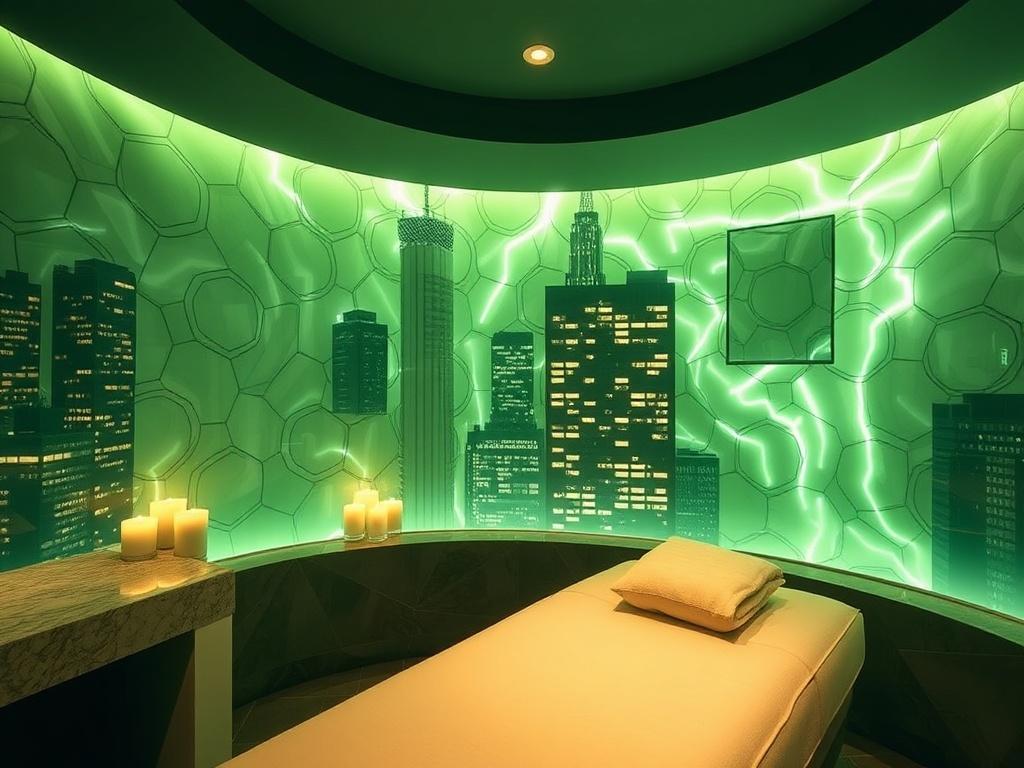
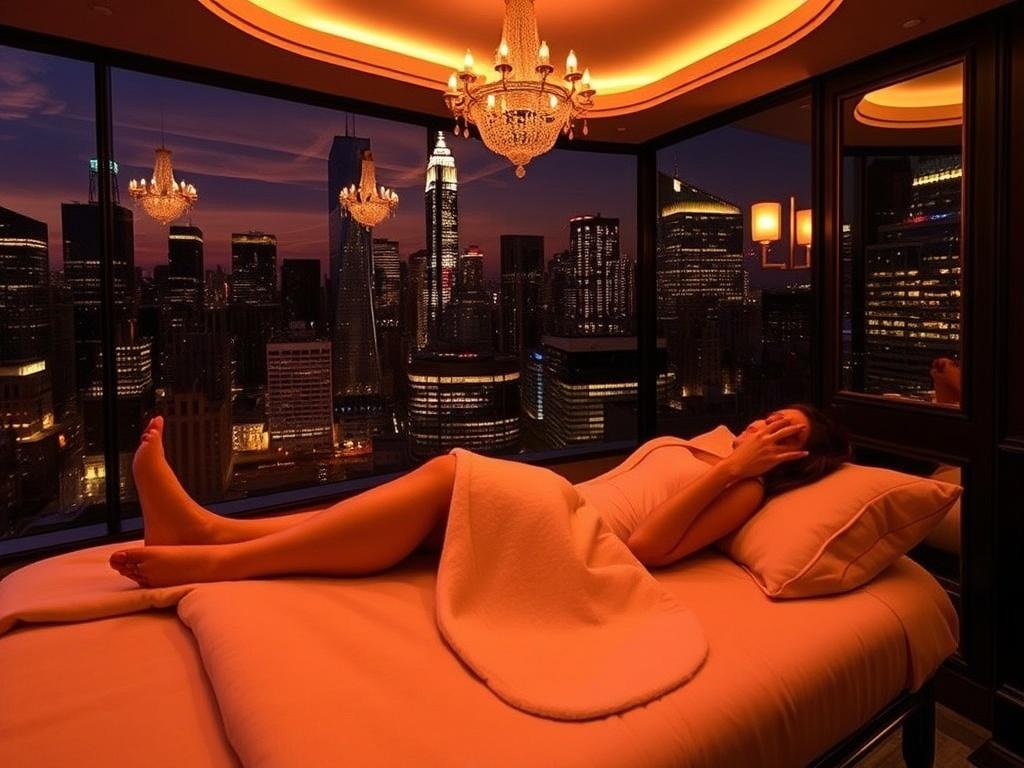
“Upscale” here refers to quality of service and environment more than a price tag alone. Think soft lighting, professional intake procedures, fresh linens, quality oils, and therapists who discuss needs and limitations beforehand. An upscale bodyrub New York establishment will focus on technique—Swedish, deep tissue, aromatherapy, or Lomi Lomi—delivered by credentialed practitioners who know anatomy and client care.
Contrast that with a generic massage: upscale places often have private rooms with soundproofing, clear policies about draping and consent, and an intake process asking about injuries, medications, and preferred pressure. That attention to detail can turn a forty-five-minute treatment into a genuinely healing experience.
Where to Find Reputable Upscale Bodyrub Options in New York
There are a few categories of places to consider. Luxury hotel spas provide predictability and strong hygiene standards. Independent day spas can offer more personalized treatment plans. Medical spas or clinics may combine bodywork with physical therapy. Each has pros and cons depending on your needs and comfort level.
| Type of Venue | Typical Setting | Typical Duration | Price Range (approx.) | Who It Suits |
|---|---|---|---|---|
| Luxury Hotel Spa | Polished, discreet, often with additional amenities | 50–90 minutes | $150–$400+ | Visitors, gift experiences, consistent standards |
| Independent Day Spa | Cozy, boutique, varied specialties | 30–90 minutes | $80–$250 | Regular clients seeking atmosphere and customization |
| Medical/Clinical Spa | Clinical, therapist-led, rehabilitation focus | 30–60 minutes | $75–$200 | Injury recovery, chronic pain management |
| Independent Licensed Therapist | Private studio or home-based office | 30–120 minutes | $70–$180 | Clients wanting continuity and therapist rapport |
How to Choose a Practitioner
Choosing well starts online but finishes at the front desk. Look for clear profiles that list education, certifications, and specialties. Many therapists post their continuing education credits—things like myofascial release, prenatal training, or sports massage—which is a good sign. Professional affiliation with groups such as the American Massage Therapy Association or the Associated Bodywork & Massage Professionals signals standards and accountability.
Reviews matter, but read them critically. Look for mentions of the therapist’s professionalism, the spa’s cleanliness, and whether staff honored scheduling and cancellation policies. A single negative review among many isn’t a deal-breaker; consistent complaints about pushy staff or unclear pricing are.
Quick Checklist Before You Book
- Confirm licensing or certification if applicable.
- Ask about draping and privacy procedures.
- Clarify length of session and what it includes (e.g., shower access, robe).
- Check cancellation and payment policies.
- Look for clear contact details and an address with a storefront.
Etiquette and What to Expect During the Visit
When you arrive, expect to fill out a brief intake form about health history and preferences. A short conversation with your therapist establishes pressure preferences and areas of focus—don’t skip this. Draping is the standard in professional settings: you undress to your comfort level and the therapist uncovers only the area being worked on.
Communication is crucial. If pressure is too light or too intense, say so. A good therapist invites feedback and adjusts accordingly. For many people, the best part is a mindful silence; for others, a little conversation helps them relax. Either is acceptable as long as boundaries remain respected.
Pricing, Tipping, and Booking Tips
Price often reflects overhead: a Manhattan hotel spa will charge more than a neighborhood studio. Upscale doesn’t always mean extravagant—look for value in therapist experience and the clarity of the service offered. Tipping is customary in the U.S.; 15–25% is standard if the service was good. If a service charge is included, check whether it’s distributed to therapists.
- Book weekday mornings for quieter rooms and more relaxed therapists.
- Ask about package deals or memberships if you plan regular visits.
- Confirm whether gratuity is added automatically.
- Request a same-therapist booking if you prefer continuity.
Safety, Legality, and Red Flags to Watch For
In New York, professional massage practices emphasize clear consent, proper draping, and medical histories for client safety. Sexual services are illegal and are not part of legitimate bodywork. Red flags include cash-only businesses that discourage receipts, therapists who refuse to use draping, or any establishment that pressures you into extra services.
Common-sense safety tips are simple: bring a friend to the building if you’re unsure, confirm the business’s address and phone number beforehand, and trust your instincts. If something feels off, you can leave. Legitimate places appreciate feedback and maintain clear policies so clients feel safe and respected.
Benefits and Aftercare
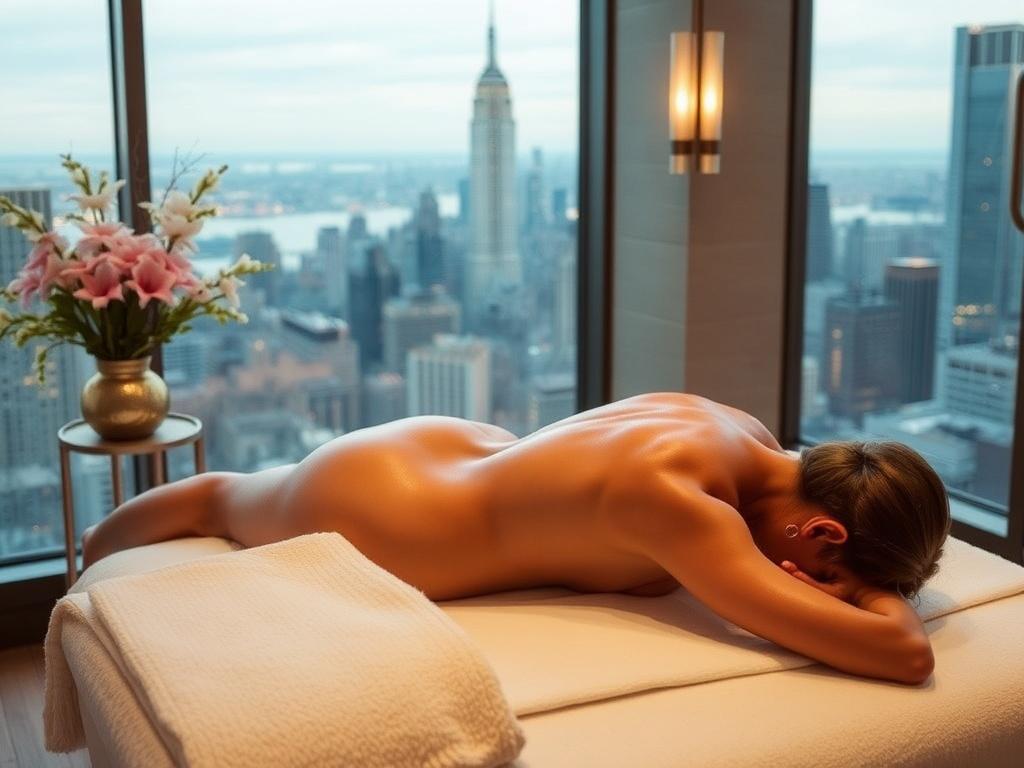
A proper bodyrub can do more than soothe sore shoulders. It can improve circulation, ease muscular tension, reduce stress-related hormones, and create a space for mental rest. That said, aftercare matters: drink water, move gently for the rest of the day, and avoid heavy exercise right after a deep tissue session. Apply heat if you have lingering soreness—warm showers or a heating pad work well.
If you have a chronic condition, coordinate with your healthcare provider before booking. For acute injuries, look to a clinical sports therapist or physical therapist rather than a general spa. Upscale bodyrub New York options frequently offer specialized treatments for runners, office workers, and pregnant clients, but always check credentials for therapeutic claims.
Neighborhood Notes: Where People Tend to Go
Manhattan’s Midtown and SoHo cater to business travelers and shoppers, with hotel spas and high-end boutiques. The Upper East and West Sides offer quieter, neighborhood-oriented spas. Brooklyn’s Williamsburg and DUMBO neighborhoods feature boutique studios with younger clientele. Wherever you go, a clear website, visible hours, and transparent pricing are good indicators of quality.
Final Practical Tips
Plan to arrive 10–15 minutes early to complete intake forms and settle in. Avoid heavy meals beforehand. Wear loose clothing to the appointment so undressing is comfortable and quick. If you’re unsure which modality to choose, ask for a 60-minute mixed session—many therapists will combine techniques to suit your needs.
One more note: the phrase upscale bodyrub New York can mean different things depending on context. Use it as shorthand to find places that prioritize professionalism, cleanliness, and respectful service rather than focusing solely on price or flash.
Conclusion
Finding an upscale bodyrub New York that fits your needs is a matter of knowing what to look for: credentials, clear policies, respectful boundaries, and a comfortable setting. Do a bit of research, ask questions, and trust your impressions at the front desk and during the intake. With the right place, a bodyrub becomes more than a luxury—it’s a practical tool for easing tension, restoring focus, and carving out a brief oasis in a busy city. Book thoughtfully, communicate openly, and enjoy the relief.