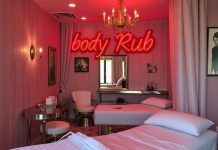

Montreal, a city renowned for its vibrant culture, stunning architecture, and diverse culinary scene, also has a lesser-known side that attracts curiosity and sometimes controversy. Among the topics often whispered about are the so-called “rub and tug” establishments—places that, despite operating in gray areas of legality, continue to intrigue both locals and visitors alike. If you’ve ever wondered what this scene looks like, how it functions within Montreal’s unique landscape, or what you should know before forming any opinions, this article is here to shed light on the subject. We will explore the history, legality, social implications, and the real experiences associated with Montreal’s rub and tug industry, providing a comprehensive overview that’s both informative and responsible.
Understanding What a Rub and Tug Is
To start, it’s crucial to understand what a “rub and tug” actually refers to. The term is slang for a type of massage parlour that offers services beyond standard relaxation treatments. Typically, these establishments advertise massages as their primary service but are known to provide discreet intimate encounters—often illegal—that involve physical contact of a sexual nature. The phrase “rub and tug” itself hints at the act of massaging (“rub”) and climaxing (“tug”), encapsulating the core activity in a shorthand way.
These parlours are mystifying for many because they often operate under a veil of secrecy, with business owners and workers wary of police crackdowns. They often appear in urban areas, tucked away in nondescript office or storefront spaces, making it difficult for outsiders to discern what takes place behind closed doors.
The Historical Context of Montreal’s Rub and Tug Industry
Montreal’s position as a city with a long history of diverse cultural influences makes it a fertile ground for various underground industries, including the rub and tug trade. Historically, the city’s liberal approach to certain social issues—such as legal prostitution—has created an environment where these establishments sometimes operate in legality gray zones.
In the 20th century, Montreal saw a rise in clandestine bars, strip clubs, and massage services that blurred the lines between legal and illegal activities. Over the decades, enforcement policies have fluctuated, with authorities occasionally targeting these enterprises but often facing challenges due to the city’s dense neighborhoods and tight-knit communities. Despite efforts to shut them down, some establishments reappear, sometimes under different names or in different locations, fueled by persistent demand and economic necessity for many workers.
Legal Aspects and Law Enforcement
The legal landscape surrounding rub and tug parlours is complex. In Montreal, as in much of Quebec and Canada, prostitution laws criminalize solicitation and activities that involve exchanging sexual services for money in public or semi-public settings. However, the laws specifically targeting establishments such as massage parlours are more nuanced.
Generally, a massage business can operate legally if it adheres to strict health standards, licensing, and professional regulations. However, when services cross into sexual activity for compensation, the operation becomes illegal. Law enforcement agencies often conduct sting operations or undercover investigations to shut down these businesses, but the discreet nature of many means some establishments evade persistent crackdowns.
The table below summarizes the key legal points:
| Legal Aspect | Details |
|---|---|
| Legal Massage Therapy | Requires licensed therapists, health inspections, and adherence to professional standards. |
| Prostitution Laws | Solicitation and prostitution are criminalized, but laws focus on the act of offering or accepting services in public. |
| Activities in Rub and Tug Parlours | Legal if solely providing massage services; illegal if involving sexual acts for money. |
| Enforcement | Regular police operations target illicit activities, but establishments often adjust to avoid detection. |
Understanding this legal framework helps clarify why some of these businesses operate in a gray zone, sometimes openly advertising, but often maintaining discreet privacy to avoid police intervention.
Social Perspectives and Community Impact
The existence of rub and tug establishments in Montreal touches on broader social conversations about morality, legality, and the rights of sex workers. Some proponents argue that sex work, when conducted voluntarily and with proper health measures, should be decriminalized or regulated to ensure safety and reduce exploitation. Others see these establishments as sources of moral concern or potential hubs for human trafficking, which complicates the social narrative.
Within Montreal’s diverse communities, opinions vary widely. Cultural attitudes towards sex work are influenced by ethnicity, religion, socioeconomic status, and personal values. For immigrant communities, especially those with conservative backgrounds, the presence of such businesses might evoke discomfort or stigma. Conversely, advocates emphasize the need for safe, regulated environments and often push for policies that protect sex workers’ rights rather than criminalize them.
The social impact of these operations also extends to local neighborhoods. Residents sometimes express concerns over noise, increased traffic, and the potential for associated illegal activities like drug use or violence. Meanwhile, some argue that these establishments provide employment and income for marginalized workers, often offering a level of discretion and safety unavailable elsewhere.
The Experience of Workers and Clients
While many media portrayals focus on the clandestine nature of rub and tug parlours, it is important to recognize the human stories behind the industry. Workers in these establishments are often vulnerable individuals seeking economic stability, escaping poverty, or driven by circumstances beyond their control. Their experiences can vary widely—some engage voluntarily, while others may feel coerced or trapped.
Clients, on the other hand, come from diverse backgrounds and motivations. Some seek a discreet, affordable way to relax and explore intimacy, while others might be driven by curiosity or specific fantasies. It’s crucial to approach these topics without judgment, acknowledging the complexity of human desires and the importance of safety and consent.
Understanding these perspectives enriches the conversation and promotes empathy, especially when considering reforms or policies aimed at protecting human rights within the industry.
Risks and Precautions for Those Curious
If you’re curious about exploring or learning more about Montreal’s rub and tug scene, it’s essential to approach with caution. Engaging with illegal or unregulated establishments carries risks—legal trouble, health issues, or exploitation. Always prioritize safety and legality in your choices and avoid participating in anything that could jeopardize your well-being or violate local laws.
Some tips for approaching this topic responsibly include:
- Research local laws thoroughly before engaging in any activities.
- Recognize signs of illegal establishments—such as lack of licensing, overly secretive operations, or unwillingness to provide transparency.
- Respect workers’ rights and safety; never pressure anyone or take part in activities that may be coercive or non-consensual.
- Consider legal and ethical alternatives for adult entertainment, such as licensed escort services or adult massage parlors with transparent operations.
Remember, engaging with illegal businesses can lead to serious consequences, and respecting personal boundaries and laws should always come first.
Alternatives and Responsible Choices
If exploring adult entertainment options in Montreal, there are many legal, safe, and reputable avenues to consider. From licensed massage therapy clinics to adult nightlife venues, Montreal offers an array of choices that respect the law and prioritize safety.
Here are some alternatives:
- Licensed adult massage parlours with verified therapists.
- Specialized adult entertainment clubs adhering to regulations.
- Online platforms for adult services, which enforce legal compliance and safety standards.
- Entertainment venues that cater to mature audiences and maintain ethical practices.
Choosing these options not only ensures legal safety but also supports industry workers’ rights and well-being.
Conclusion
Montreal’s rub and tug scene is a complex facet of the city’s extensive social fabric. While these establishments attract curiosity and debate, understanding their history, legality, and social impact fosters a more informed and empathetic perspective. Whether viewed through the lens of legality, morality, or human rights, it’s clear that this industry operates in a nuanced space that requires careful consideration. For those interested in adult entertainment, exploring legal and reputable options is always the safest route, contributing positively to a respectful, safe, and inclusive community. Ultimately, approaching this subject with sensitivity and awareness helps dispel myths and encourages a balanced understanding of a multifaceted industry embedded within Montreal’s vibrant landscape.