


The phrase “rub n tug nyc” carries a lot more weight than three short words suggest. To many, it evokes shadowy storefronts, whispered transactions and law-enforcement sting operations. To others it stands in for an industry where commerce, migration, labor rights, public health and criminal justice collide. This article walks that territory without sensationalism, unpacking history, law, human consequences and the policy debates that shape how New Yorkers and visitors experience—and sometimes exploit—massage-based sex work. I’ll keep this grounded: the aim isn’t titillation or how-to tips, but a clear-eyed look at why rub n tug parlors exist, how authorities respond, and what better approaches might reduce harm while respecting the people involved.
What people mean by “rub n tug”
When someone says “rub n tug nyc” they usually mean a massage business that offers sexual services in addition to—or instead of—therapeutic work. The term itself is slang, blunt and deliberately nonclinical. That bluntness obscures a spectrum: some establishments are unlicensed massage operations where consensual adult sex is the commodity; others are alleged fronts for organized criminal networks or situations of coercion and trafficking. Recognizing that spectrum matters because lumping everything together makes sound policy and enforcement much harder.
Language and perception
Words shape how we respond. Calling a place a “massage parlor” suggests a health-oriented business; calling it a “brothel” suggests criminality; labeling it a “rub n tug” colors the issue with ridicule and secrecy. Those linguistic choices influence media coverage, police tactics and public sympathy. In New York City, the vocabulary shifts depending on the speaker: mainstream outlets often use neutral terms, victims’ advocates use rights-forward language, and some law-enforcement communications emphasize criminality. The result is a patchwork narrative that can obscure the realities inside these businesses.
Historical snapshot: how rub n tug venues became visible in NYC
New York’s role as a global port and immigrant gateway has produced many informal economies, including sex work. Before modern licensing and zoning rules, massage businesses proliferated in informal neighborhoods and immigrant communities. Over decades, changing social norms, waves of policing and urban redevelopment have pushed these businesses into new configurations—sometimes more hidden, sometimes more visible online.
Enforcement patterns have also changed. Earlier eras featured periodic crackdowns that closed storefronts temporarily; later strategies relied on sting operations and the digital trail. The emergence of online classifieds and messaging apps made advertising easier—a fact that reshaped both how services are offered and how law enforcement tracks them. These shifts are part of why rub n tug scenes in NYC today look different from those seen a generation ago.
The legal framework in New York
New York regulates both the provision of massage therapy and prostitution. Licensing requirements govern who can legally offer therapeutic massage, where businesses can operate, and what standards they must meet. Separately, New York State criminalizes the exchange of sex for money and related activities such as solicitation, pimping, and operating a brothel. Because two different legal systems touch the same place—the massage business—enforcement tends to be complicated and sometimes inconsistent.
Licensing and administrative oversight
Municipal and state bodies set rules for massage therapy operations. Licensing aims to ensure hygiene, consumer safety and professional standards. When businesses lack proper licensing, authorities have administrative tools—fines, closures, and permit revocations—that are distinct from criminal prosecutions. In practical terms, this means some establishments are shut down for code violations even if criminal charges aren’t pursued.
Criminal statutes and prosecution
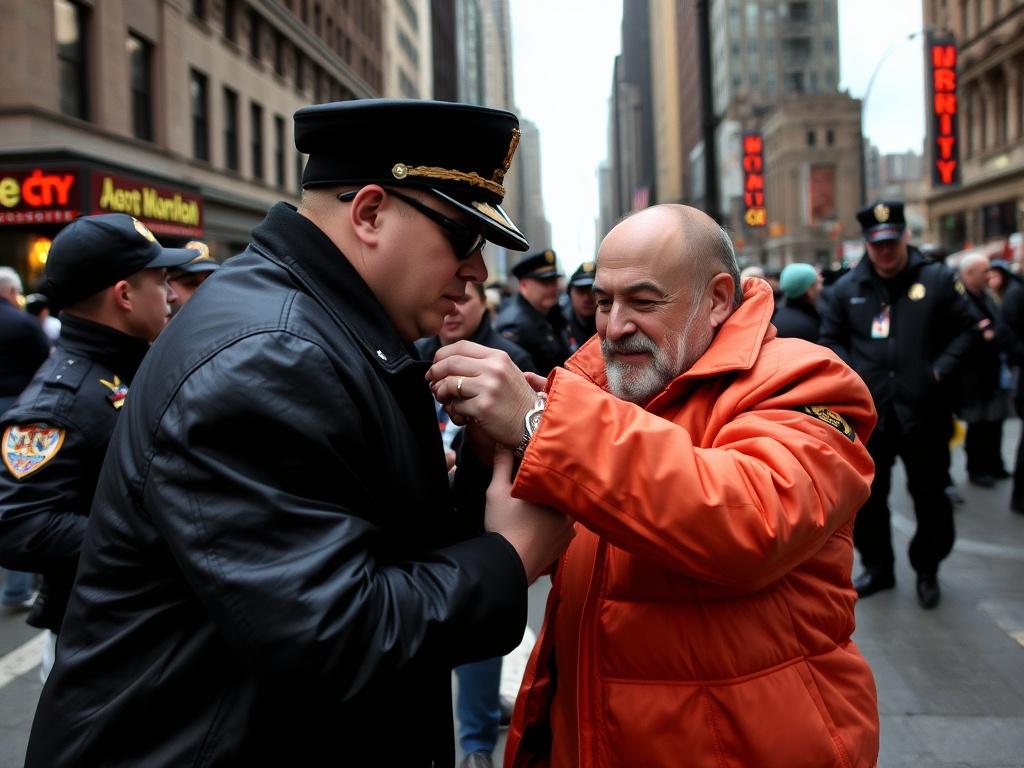
Solicitation and related offenses fall under state criminal law. Police often use undercover operations to establish probable cause, and prosecutions can proceed when enough evidence is gathered. Yet criminalization raises thorny questions: does arresting a person selling sex reduce harm, or simply push activity into more dangerous, less regulated spaces? Those questions animate debates about how aggressively to pursue rub n tug cases in NYC.
Who works in rub n tug spaces—and why?
There is no single profile for people who work in massage-based sex economies. Some are migrants with limited job options; others are local residents supplementing income. Motivations range from economic need to lack of other employment opportunities, to genuine choice. That diversity complicates policy. Treating all workers as victims requiring rescue misunderstands agency; treating all as criminals ignores exploitation and coercion.
Economic drivers
Low wages in the formal economy, barriers to licensure for immigrants, language difficulties, and high rent all push people toward informal work. For some, working in a massage business is a way to support family or send remittances. For others, criminal records or unstable immigration status cut off formal options. Understanding these drivers suggests different interventions than pure criminalization would provide; measures such as legal pathways to work or accessible licensing could change decisions made under economic duress.
Coercion and trafficking concerns
At the far end of the spectrum are cases involving coercion, debt bondage or human trafficking. These situations demand law-enforcement attention and victim-centered services. But conflating trafficking with consensual sex work carries harms: it can justify indiscriminate raids that retraumatize consensual workers and divert resources from identifying real trafficking victims. A nuanced approach is required—one that distinguishes coercion from consensual survival strategies and that prioritizes victims’ needs when coercion is present.
Enforcement tactics: raids, stings, and their consequences
Police responses to rub n tug venues have ranged from administrative inspections to undercover sting operations and arrests. Raids can produce dramatic headlines and temporary business closures. They can also produce collateral damage: traumatized workers, public exposure of individuals who may face social or legal consequences, and a chilling effect on people seeking public-health services.
What raids accomplish—and what they don’t
Raids sometimes dismantle criminal networks or free trafficking victims. But they often fail to address root causes: demand, economic precarity and unregulated markets. Additionally, aggressive policing can push sex work into unregulated digital spaces or private residences, where oversight, safety and health access are worse. Many advocates argue that enforcement should be selective and accompanied by services—legal aid, housing, medical care—so interventions don’t simply displace harm.
Public health, safety and consumer risks
Health concerns are a real part of the rub n tug conversation. Unlicensed venues may lack basic sanitation, and barriers to accessing health care or sexual-health services increase risk for both workers and clients. Public-health strategies differ from policing: they focus on harm reduction, routine screenings, and community outreach rather than criminal penalties.
Harm reduction approaches
Needle exchanges, condom distribution, and confidential STI testing are examples of harm-reduction measures that reduce illness without criminalizing workers. Outreach programs that meet people where they are—at the door, online, or at community centers—can build trust and direct workers to resources. For many public-health professionals, these interventions are more effective in protecting health than repeated closures and arrests.
Workers’ rights and advocacy

Rights-based advocates argue that many people in the sex economy deserve labor protections: the right to organize, to work safely, to access health care and to be free from exploitation. In New York City, several organizations and legal clinics focus on the intersection of immigration, labor and sex work. They push for decriminalization or regulatory regimes that extend labor protections without criminal penalties, pointing to models in other cities and countries as evidence of alternative pathways.
What decriminalization supporters say
Supporters of decriminalization claim it reduces stigma, increases workers’ ability to report abuse, and channels resources from policing to services. They note that when sex work operates underground, workers are less likely to report violence or unsafe clients. Decriminalization debates frequently reference outcomes in places that have moved away from punitive approaches, highlighting reduced violence and better health outcomes as potential gains.
Technology, advertising and the changing marketplace
Online platforms shifted how massage-based sex services are advertised and arranged. Where once the local phone book and window signs mattered, now profiles, classifieds, and encrypted messaging play large roles. That change complicates enforcement but also creates opportunities for workers to screen clients and for public-health workers to reach people digitally.
Platform takedowns and unintended effects
Major platforms periodically remove listings that imply sexual services. Those takedowns can reduce visible advertising, but they also push transactions into more opaque channels—private messages, closed groups, and apps less subject to moderation. Law enforcement sees digital trails too, but the migration to less-regulated platforms often reduces transparency and worker safety. Any policy that targets advertising must consider these displacement effects.
Consumer ethics and the risks of demand
Clients are part of the equation. Demand drives the market: without customers, these businesses could not survive. That reality raises ethical questions for consumers about consent, exploitation and legality. Buyers often assume discretion and avoid thinking about labor conditions; yet consumer behavior shapes how the market evolves. Policies that only target supply ignore this part of the system and frequently fail to reduce the overall prevalence of the activity.
- Personal accountability: Understanding the legal and ethical landscape before making choices.
- Risk awareness: Knowing that engaging in illegal transactions can expose individuals to legal and health risks.
- Alternatives: Seeking legal, regulated services if the objective is therapeutic care.
Trafficking versus consensual work: parsing the difference
Conflating trafficking with consensual sex work harms both policy and people. Trafficking involves coercion, force or deception; it is a human-rights violation requiring protection and support for victims. Consensual sex work, by contrast, involves adults who choose to exchange sex for money. Distinguishing between the two requires careful investigation, culturally competent victim interviews, and sensitivity to victims’ needs. Oversimplified narratives often lead to blunt enforcement that misses traffickers while penalizing consensual workers.
Indicators law enforcement and services look for
Investigators and service providers use patterns—document withholding, restricted movement, signs of physical abuse, obvious debt bondage—as indicators of trafficking. But these are complex assessments requiring trained professionals. Simplistic approaches risk false positives and may subject people to invasive interventions that do more harm than good.
Alternatives to punitive enforcement
Policymakers and advocates propose a range of alternatives that try to reduce harm while addressing exploitation. They include strengthening labor and immigration pathways, offering accessible licensing for therapeutic work, funding victim-centered services, and piloting regulated frameworks that separate consensual adult sex work from trafficking.
Regulation with worker protections
Some models focus on bringing work into a regulated framework where standards, inspections and labor protections apply. Regulation can mean health checks, mandatory safety plans, clear workplace rights and a route to formalize income and taxes. For many workers, regulation offers a middle ground: avoiding punitive criminalization while ensuring basic rights and protections.
Targeted anti-trafficking efforts
When trafficking is present, the response should prioritize the victim: safe housing, legal assistance, counseling, and immigration relief where applicable. Successful anti-trafficking strategies often involve multiagency cooperation—law enforcement, social services, public health and legal aid—guided by survivor-informed protocols. That orientation reduces re-traumatization and improves the chances of holding actual traffickers accountable.
How neighborhoods and local economies are affected
Rub n tug businesses intersect with neighborhood concerns about safety, zoning, and property values. Residents may see unlicensed businesses as contributing to quality-of-life problems; others worry about the stigmatization of workers and the displacement of marginalized communities. Municipal responses—zoning enforcement, community boards, business licensing—reflect those tensions and shape how visible the industry is in different parts of the city.
Community dialogue and competing priorities
Neighborhood-level solutions require honest dialogue between residents, workers, business owners and city officials. Too often, meetings become adversarial: residents demand closures while workers demand safer conditions. Productive approaches create fora where all voices are heard and where practical compromises—such as stricter licensing enforcement paired with social services—are negotiated.
Comparative approaches: what other cities do
Different cities take different approaches. Some prioritize criminal enforcement and heavy fines; others focus on decriminalization or regulated frameworks that treat sex work as labor. Comparative study shows no one-size-fits-all solution: local political culture, legal frameworks and public-health capacities shape choices. But there are lessons to be borrowed—particularly around integrating health services and offering legal pathways for vulnerable workers.
| Policy Model | Primary Focus | Typical Outcomes |
|---|---|---|
| Criminal Enforcement | Deterrence through arrests and closures | Visibility reduced short-term; displacement to hidden markets; mixed effect on trafficking |
| Decriminalization | Remove criminal penalties, regulate labor rights | Reduces stigma; can improve reporting and health outcomes when paired with services |
| Regulation with Licensing | Set health and business standards | Creates formal oversight; may exclude marginalized people if licensing barriers exist |
| Targeted Anti-Trafficking | Identify and rescue coercion victims | Effective for clear trafficking cases; resource intensive and requires coordination |
Resources and how to help responsibly
If you are concerned about possible trafficking or exploitation, the responsible first step is to contact trained professionals and hotlines that can triage the situation. Random or vigilante actions can endanger victims and undermine investigations. For those who want to support humane solutions, consider donating time or funds to local organizations that provide counseling, legal aid, housing support and health services. In New York City, several legal clinics and advocacy groups specialize in sex-worker rights and anti-trafficking work; partnering with them is more effective than acting alone.
- Support organizations that offer wraparound services—legal, medical, shelter—rather than only funding raids.
- Advocate for policies that reduce barriers to licensure and work for immigrants and low-income residents.
- Encourage public-health interventions—free testing, outreach, and harm-reduction supplies—that protect workers and clients alike.
Media coverage and responsible reporting
How journalists cover rub n tug stories shapes public perception and policy. Sensationalized reporting can obscure the human costs, while careful, evidence-based reporting can illuminate structural drivers and promote smart policy. Ethical reporting involves protecting identities when necessary, consulting experts and affected communities, and distinguishing trafficking from consensual work in language and framing.
Best practices for journalists
Reporters should verify claims of trafficking through multiple sources, use non-stigmatizing language, and highlight the voices of people most affected. Data-driven pieces that map enforcement patterns, economic drivers, and public-health outcomes do more to inform readers than lurid anecdotes. Good journalism can push policymakers toward balanced responses instead of reflexive crackdowns.
What a balanced policy might look like in NYC
A balanced approach recognizes three realities: first, coercion and trafficking must be aggressively addressed; second, consensual sex work is a complex labor market that benefits from protections; and third, health and safety interventions deliver measurable benefits. In practice, this might mean better licensing that’s accessible to people with language or documentation barriers; increased funding for victim-centered anti-trafficking services; selective enforcement focused on clear criminal networks; and public-health outreach committed to anonymity and trust-building.
Concrete policy elements
- Streamlined, low-cost licensing tracks for therapeutic workers to reduce unlicensed operations.
- Community-based anti-trafficking units trained in trauma-informed interviewing and survivor services.
- Decriminalization pilots coupled with labor protections and access to benefits.
- Expanded public-health outreach that includes free testing and confidential care.
Practical steps for someone concerned about a specific establishment
If you suspect coercion or trafficking at a local business, avoid intervening yourself. Contact official hotlines or local social-service agencies who have the training to handle delicate situations. If you simply have concerns about licensing or neighborhood impacts, report the business to municipal licensing authorities so they can investigate administrative violations without risking the safety of potential victims.
Why self-help can be risky
Untrained intervention can retraumatize victims, alert traffickers, or create dangerous confrontations. Professionals can assess risk, coordinate safe interventions and provide immediate services if someone is identified as needing help. That’s why building partnerships with trusted organizations is the most effective, responsible route to action.
Looking forward: culture, policy and the future of “rub n tug” in NYC
Any meaningful change will require shifts in culture and policy. That includes reframing public conversation away from punitive instincts and toward problem-solving that respects agency, protects victims, and reduces harm. It also requires political will to experiment with regulatory and decriminalization models while strengthening anti-trafficking tools where coercion exists. For a city as dynamic as New York, evolving policy is not only possible—it’s necessary. The pressing challenge is to choose approaches guided by evidence and human dignity rather than fear and moralizing.
How citizens can influence outcomes
Local voting, public-comment periods for licensing changes, and participation in community boards matter. Constituents who show up to hearings, donate to survivor services, and press elected officials for balanced policies help push municipal agendas away from short-term crackdowns and toward systemic solutions. Small actions—writing a letter, attending a forum—add up when many people demand smarter, more humane responses.
Final thoughts on “rub n tug nyc”
The phrase “rub n tug nyc” may be shorthand for something seedy, but beneath that shorthand are real people, complex motives and systemic forces. Reducing the topic to lurid headlines or simple criminalization ignores the messiness of real lives. Better outcomes come from policies that separate coercion from consensual survival work, that connect vulnerable people with services, and that recognize the limits of enforcement as a tool for social change. That’s the challenge and the opportunity for New York City policymakers, advocates and citizens.
Conclusion
Addressing the phenomenon commonly referred to as “rub n tug nyc” requires nuance: firm action against coercion and trafficking, thoughtful consideration of workers’ rights and public-health priorities, and policies that reduce harm rather than merely displacing it. Effective responses blend targeted enforcement with accessible licensing, survivor-centered services, and harm-reduction measures—backed by community engagement and evidence-driven reporting. In short, the focus should shift from short-term raids to long-term solutions that protect people, uphold dignity, and make neighborhoods safer for everyone.