

Have you ever heard someone mention a “body rub” and wondered what exactly it entails? The phrase can evoke a variety of images and assumptions, especially with the diverse contexts in which it is used today. To understand fully, it’s essential to explore what a body rub is, its origins, cultural significance, different styles, and what to expect in a safe and respectful setting. Whether you’re curious about its health benefits or the different types practiced around the world, this article aims to shed light on every aspect of a body rub.
What Is a Body Rub?
A body rub, at its core, refers to a massage or tactile treatment that involves applying pressure, strokes, or movements to a person’s body, typically aiming to relax muscles, reduce stress, improve circulation, or simply promote comfort. The term is often used interchangeably with massage, but it can carry different connotations depending on the context, location, and intent.
In many professional settings, a body rub is considered a form of therapy. It involves trained practitioners who use various techniques to manipulate soft tissues and joints, providing both physical and mental benefits. However, the phrase can also colloquially refer to more informal or even adult-oriented encounters, which makes understanding the distinctions important.
It’s vital to approach the subject with clarity and respect for boundaries. When talking about healthy, legitimate forms of body rubs practiced by licensed massage therapists, the primary goal is therapeutic — reducing tension, soothing sore muscles, and fostering relaxation. These are performed in spa settings, wellness centers, or clinics, where professionalism and safety are prioritized.
The History and Cultural Roots of Body Rubs
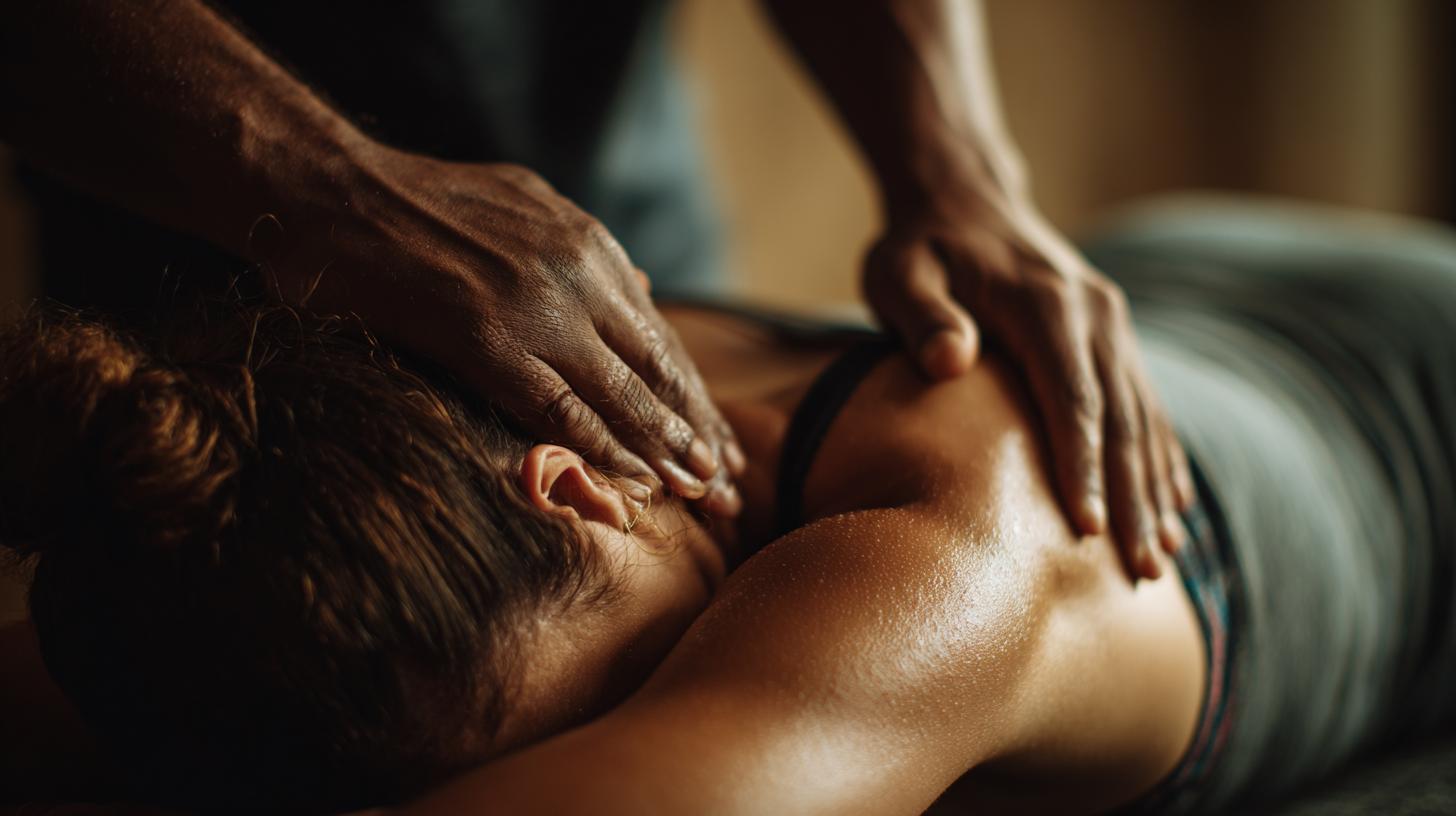
The use of body manipulation techniques for healing and relaxation dates back thousands of years, spanning numerous cultures and civilizations. Ancient civilizations, such as those in Egypt, China, India, and Greece, developed their own styles of massage and body treatments, essentially practicing what can be called body rubs.
For example, in Traditional Chinese Medicine, acupressure and massage called *Tui Na* have been used for thousands of years to balance bodily energy, or *Qi*. In India, the practice of *Ayurvedic massage* incorporates herbal oils and specific strokes designed to promote health and longevity. Ancient Greeks and Romans valued massage for its restorative effects, often incorporating it into their holistic health routines.
Over centuries, the techniques evolved and spread across continents, adapting to local customs and preferences. Today, many modern styles of body rubs owe their origins to these ancient practices, infused with contemporary methods and science-backed techniques.
Different Types of Body Rubs and Massage Styles
When discussing what a body rub involves, it’s helpful to understand the various styles and techniques. The diversity is broad, catering to different needs, preferences, and cultural influences.
Swedish Massage
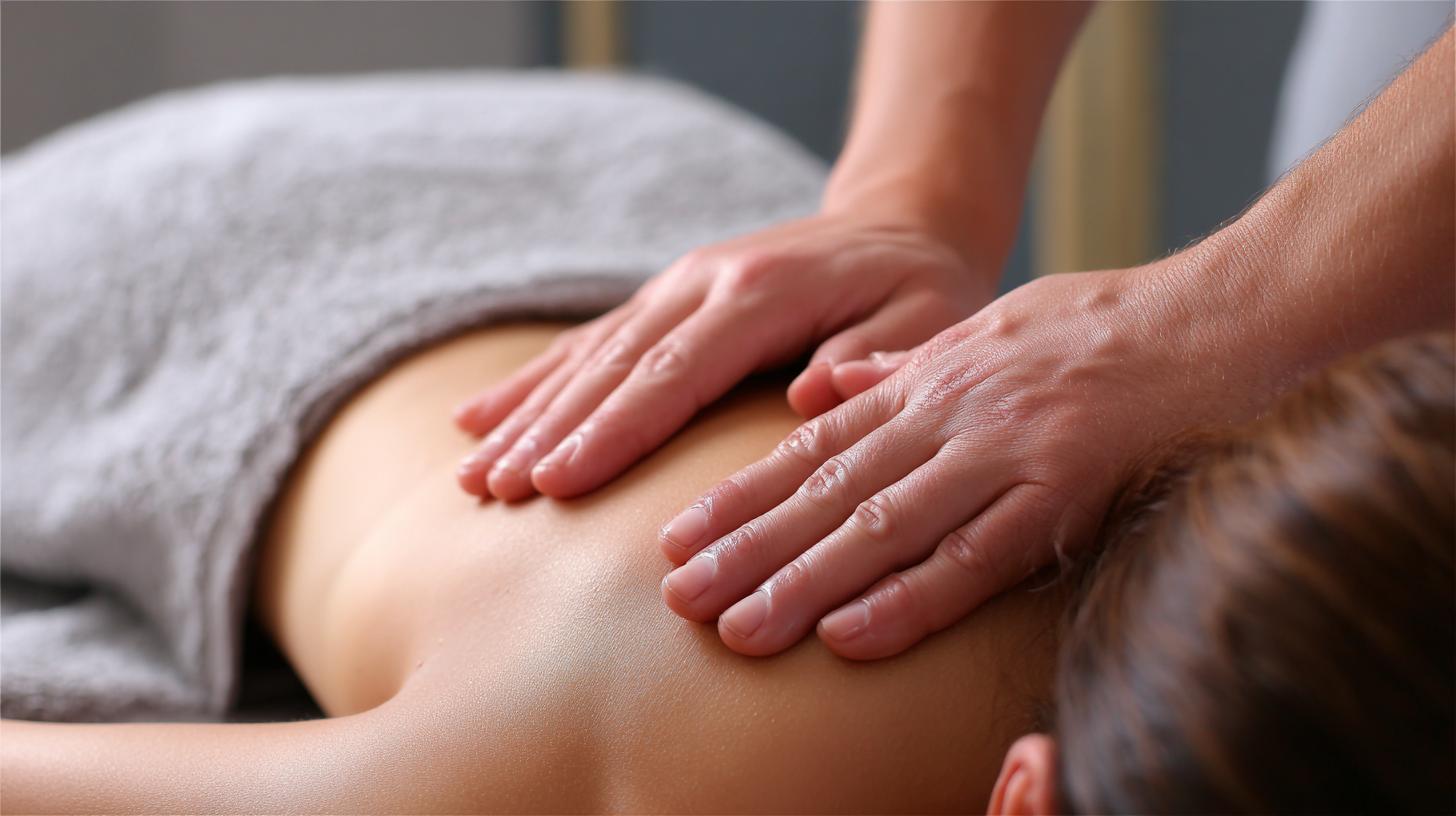
This is perhaps the most well-known and widely practiced style in Western countries. It employs five main strokes:
- Effleurage (long, sweeping strokes)
- Petrissage (kneading and squeezing)
- Friction (deep circular movements)
- Tapotement (percussive tapping)
- Vibration (shaking or trembling movements)
Swedish massage aims to relax the entire body, improve circulation, and ease muscle tension.
Deep Tissue Massage
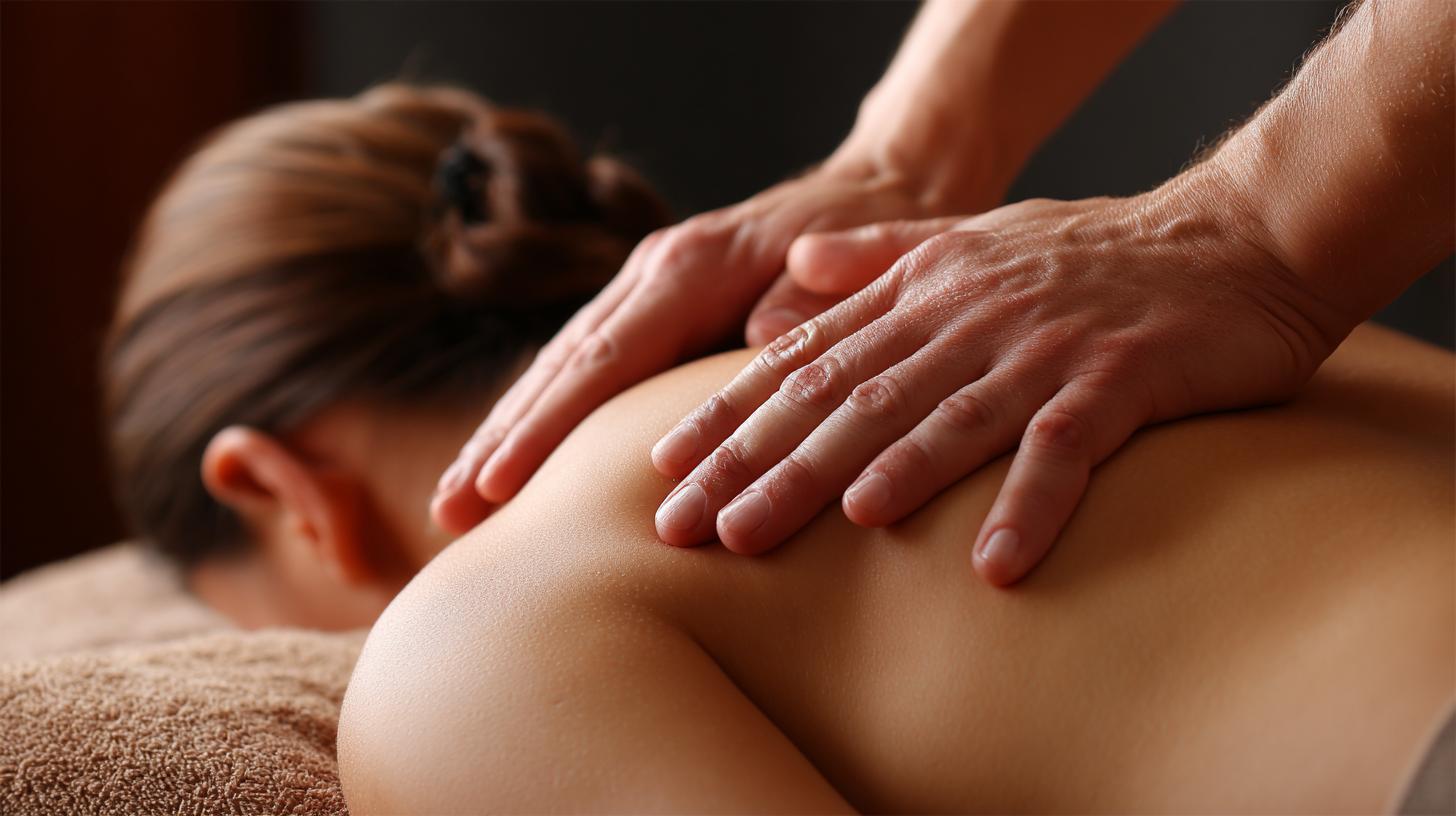
This style targets deeper layers of muscles and connective tissues. It often involves slower, more intense strokes to relieve chronic aches, pain, and rigid muscles. Deep tissue massage is popular among athletes or those recovering from injuries.
Aromatherapy Body Rubs
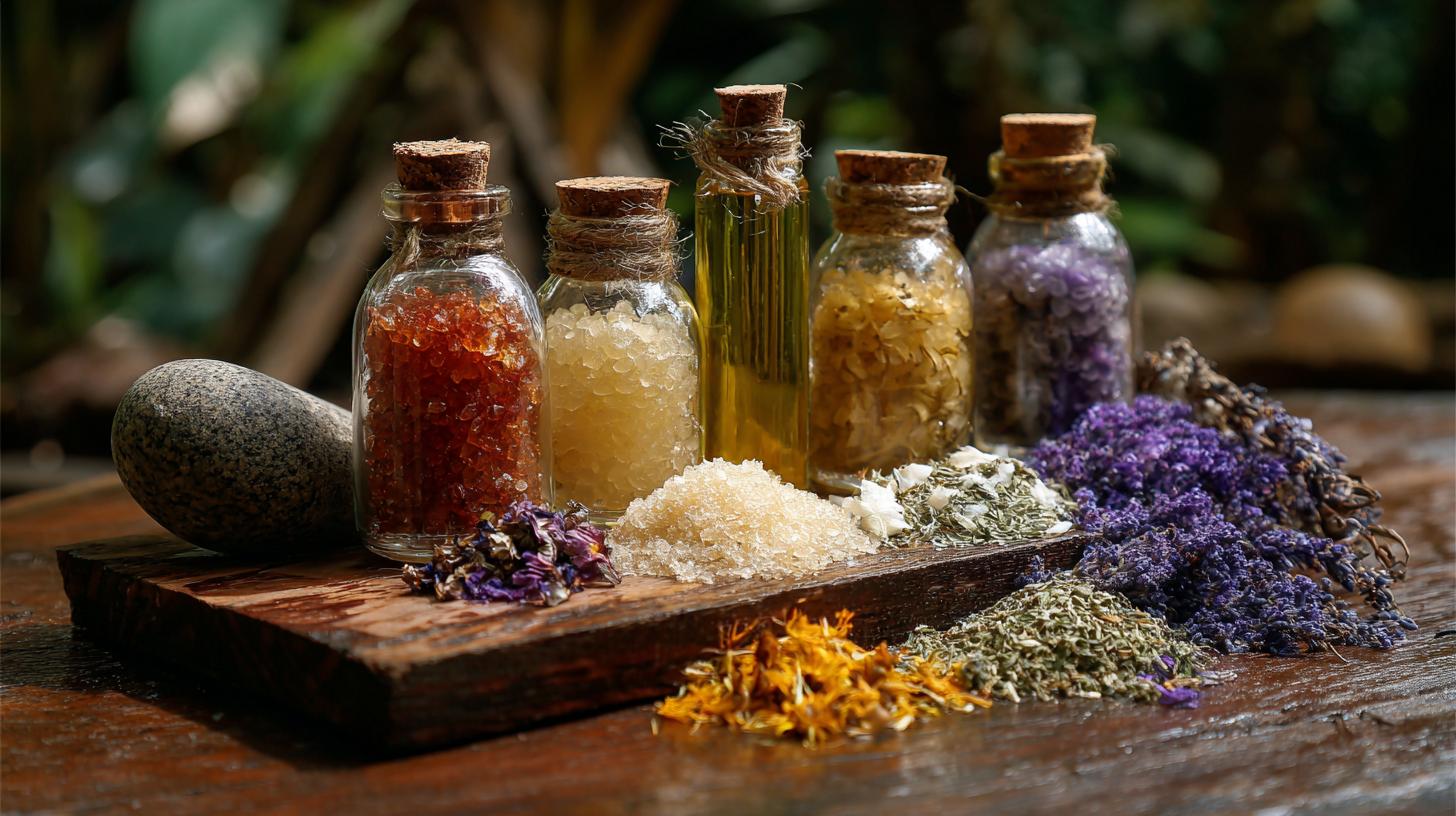
Enhanced with scented essential oils, this type provides not only physical relief but also aromatic relaxation. Aromatherapy can improve mood and mental clarity during or after the massage.
Shiatsu and Acupressure
Originating from Japan and China respectively, these techniques apply finger pressure to specific points on the body to stimulate energy flow and promote healing.
Pregnancy or Prenatal Massage
Specially adapted for expectant mothers, these body rubs focus on alleviating pregnancy-related discomforts like back pain, swelling, and fatigue.
Spa Body Treatments
Often included as part of luxury spa experiences, these may involve body scrubs, wraps, and massages combined for ultimate relaxation.
As you can see, the term “body rub” encompasses a broad spectrum, from therapeutic massages to wellness treatments. It’s important to choose the style that best aligns with your needs and to ensure the provider is qualified.
What to Expect During a Body Rub Session
If you’re considering trying a body rub, understanding what will happen during a session can help you feel more comfortable. Typically, a massage or body rub session involves several steps:
| Step | Description |
|---|---|
| Preparation | You’ll be asked about your health, preferences, and any specific areas of tension or pain. You’ll likely change into a gown or wrap, and the therapist will explain what techniques will be used. |
| Positioning | Comfortable positions are essential. Most therapists work on a massage table, but chairs or mats may also be used. |
| Execution | The therapist applies various strokes, kneading, or pressure based on the style of massage. The session usually lasts between 30 to 90 minutes. |
| Post-session | You may feel relaxed, energized, or slightly sore. It’s normal to resume normal activities or to hydrate well afterward. |
Remember, communication is key. If anything feels uncomfortable or painful, don’t hesitate to inform your therapist. A professional body rub prioritizes your safety and comfort.
Body Rubs and Wellness: Benefits and Considerations
Engaging in regular body rub sessions can offer numerous health benefits. These include reduction of muscle tension, improved blood flow, relief from stress and anxiety, better sleep, and enhanced mental clarity. Some people find that body rubs help alleviate headaches, improve flexibility, and even boost immune function.
However, it’s equally important to be mindful of certain considerations. Ensuring your practitioner is licensed and certified helps protect you from unqualified providers. Communicating openly about medical conditions or allergies—especially to oils or lotions used—is vital. It’s also crucial to distinguish between legitimate therapeutic body rubs and adult services that may carry different connotations and legal implications.
Modern Trends and How to Choose a Body Rub Provider
With an increased focus on wellness and self-care, body rubs have seen innovations and new trends emerge:
- In-home massage services
- Mobile wellness practitioners
- Specialized techniques like lymphatic drainage or sports massage
- Incorporation of technology, such as heated stones or sound therapy
When selecting a provider, consider the following:
| Criteria | Details |
|---|---|
| Qualifications | Ensure they’re licensed and certified in massage therapy or relevant fields. |
| Reputation | Read reviews, ask for recommendations, and verify their experience. |
| Specializations | Choose a practitioner who specializes in the style you prefer or need. |
| Hygiene and Safety | Confirm that the facility maintains high cleanliness standards and follows safety protocols. |
| Cost | Get transparent pricing and understand what’s included in the fee. |
Choosing the right provider ensures a positive experience, safety, and real therapeutic benefits.
Common Misconceptions About Body Rubs
Despite their popularity and long history, several misconceptions persist about what a body rub is. Some believe it’s solely a form of adult entertainment, which can lead to stigma or hesitation. Others think it’s purely superficial or lacks therapeutic value.
In reality, a professional body rub or massage is a respected health practice embraced worldwide. It can be an essential part of holistic wellness routines, helping individuals manage stress, recover from injuries, or simply indulge in self-care. The key is understanding the context and ensuring services are provided by legitimate, qualified practitioners.
Safety Tips for a Successful Body Rub Experience
To guarantee a safe and enjoyable session, keep these tips in mind:
- Always verify the credentials of your therapist or practitioner.
- Communicate openly about your health history and preferences.
- Avoid taking valuables to sessions; use lockers if available.
- Follow any post-session advice, such as hydration or rest.
- Trust your instincts; if something feels off, speak up or leave.
Prioritizing safety and comfort helps ensure that your experience is beneficial and relaxing.
Conclusion
A body rub, depending on its context, can be a deeply relaxing, health-enhancing experience or a cultural tradition rooted in centuries of healing practices. Understanding its origins, diverse styles, and the importance of choosing qualified providers can transform your perception from curiosity to confident participation. Whether seeking relief from muscle tension, stress reduction, or simply self-indulgence, a well-performed body rub offers genuine benefits. Remember always to prioritize safety, communicate openly, and enjoy the journey toward wellness and relaxation.