
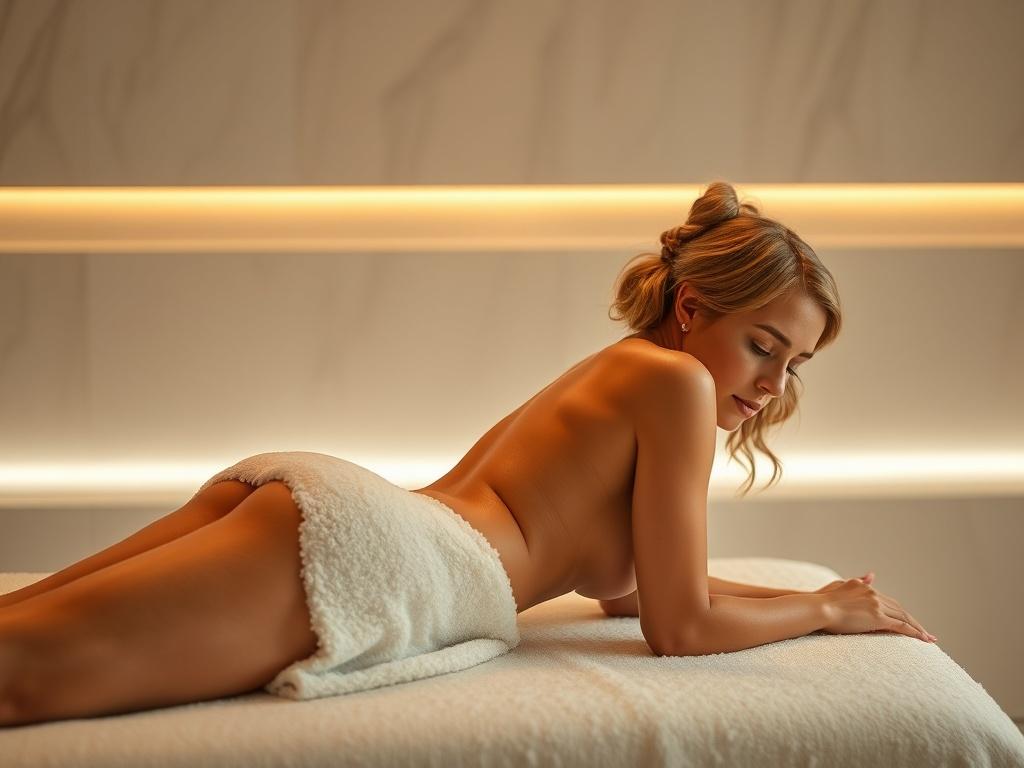
Walk into a dimly lit treatment room, inhale a faint interplay of eucalyptus and citrus, and feel your shoulders drop an inch. That immediate sense of easing is the quick sell for an upscale body rub, but there’s more than atmosphere at work. It’s a carefully curated encounter where technique, product quality, and service choreography combine to deliver a premium therapeutic experience. Think of it as a massage elevated: attention to detail, refinement in every touch, and a promise of comfort that begins at reception and ends with a soothing cup of tea.
People use the phrase “upscale body rub” in different ways. For some, it simply signals a higher-end spa environment; for others, it describes a particular style of full-body treatment that blends deep tissue, Swedish, and aromatherapy strokes. Whatever label you prefer, the defining traits are consistent: licensed therapists, premium oils and linens, private rooms, and a focus on wellness rather than quick fixes. This article walks through what you should expect, how to choose a reputable provider, and the etiquette and safety considerations that matter.
Origins and Evolution: How Luxury Massage Became a Thing
0
Massage has been part of human culture for millennia, from Greek athletes rubbing olive oil into their muscles to Eastern traditions that map meridians and energy points. The modern upscale body rub emerged from the spa movement of the late 20th century, when wellness centers began combining traditional therapies with modern hospitality. Hotels and standalone spas started investing in design, training, and signature treatments—transforming clinical touch into a full-service ritual.
Along the way, customer expectations changed. No longer was a massage a simple muscle-fix; it became an experience to be savored. That shift led to innovations: bespoke scent blends, pre-treatment consultations, contrast therapies like warm stone and cold therapy, and post-treatment lounges. Today’s upscale body rub sits at the crossroads of healthcare, hospitality, and sensory design.
What Sets an Upscale Body Rub Apart
Not all massages are created equal. Here are the most visible differences you will notice at an upscale establishment:
- Licensed, experienced therapists who receive ongoing training.
- High-quality products—plant-based oils, organic lotions, and hypoallergenic linens.
- Private, well-appointed treatment rooms with soundproofing and climate control.
- Personalized consultations to tailor pressure, focus areas, and aromatherapy.
- Additional amenities: steam rooms, lounges, tea rituals, and discreet check-ins.
These elements converge to create a smoother, more restorative session. It’s not just about intensity; it’s about how every detail supports relaxation and recovery.
Techniques You’ll Commonly Find
Upscale body rubs typically mix multiple modalities to deliver an individualized session. Expect to encounter:
- Swedish massage for long, flowing strokes and relaxation.
- Deep tissue techniques to release chronic tension.
- Aromatherapy blends chosen for calming, invigorating, or balancing effects.
- Hot stone or warm compresses to ease muscle tightness.
- Myofascial release and stretches for improved mobility.
Therapists often blend these methods within a single treatment, shifting tempo and pressure according to your feedback during the session.
Booking and Pricing: What to Expect
Upscale spas tend to structure services by duration and add-ons rather than a flat, one-size-fits-all price. Typical options include 60-, 90-, and 120-minute sessions, with menu items that can be layered—think scalp treatment, foot reflexology, or a detoxifying body wrap. Prices vary widely by city and reputation, but you’ll generally pay a premium for the curated environment and expertise.
| Service | Common Duration | Typical Cost Range (USD) |
|---|---|---|
| Classic Full-Body Massage | 60–90 minutes | $120–$250 |
| Signature Fusion (custom blend) | 90–120 minutes | $180–$350 |
| Hot Stone or Deep Tissue | 60–90 minutes | $160–$300 |
| Couples Treatment | 60–120 minutes | $250–$600 |
Tip: Ask about introductory packages or weekday offers. Many high-end spas run promotions during off-peak hours that make the experience more accessible without cutting corners on quality.
Choosing the Right Provider
Not every elegant lobby equals quality work. To choose well, look for clear credentials and transparent policies. Licensing and continuing education indicate therapists take their craft seriously. Read recent reviews that reference therapist names, and call with specific questions about techniques, therapist gender preferences, and health measures. A professional spa welcomes questions and will match you with a suitable practitioner.
Trust signals to watch for: online booking systems that let you select treatment length and add-ons, a clear cancellation policy, information about product ingredients, and staff bios that list certifications and specialties.
Etiquette and Communication: How to Get the Best Session
Good outcomes depend on clarity. Before your session, complete any intake forms honestly—mention injuries, medications, skin sensitivities, and areas to avoid. During the treatment, give direct but gentle feedback about pressure and comfort. Therapists want to know if a stroke feels too hard, too light, or just right.
Dressing etiquette is straightforward: disrobe to your comfort level. Therapists will drape sheets to protect your privacy and preserve warmth. If you prefer silence or soft conversation, say so upfront. Communication is a two-way street: your therapist will check in periodically, and you should feel empowered to share changes in comfort or needs.
What Not to Do
- Don’t arrive late—treatment time is already limited.
- Don’t consume heavy meals or excessive alcohol beforehand.
- Don’t expect sexual services—professional spas have strict boundaries and legal obligations.
- Don’t withhold medical info that could affect treatment safety.
Health, Safety, and Professional Boundaries
In a legitimate upscale setting, hygiene and professional boundaries are non-negotiable. Therapists are trained to maintain clear, ethical lines: draping to preserve modesty, verbal consent for any touch beyond common protocols, and refusal of inappropriate requests. Quality spas also follow sanitation protocols—fresh linens, sanitized tools, and products stored to prevent contamination.
If you have medical conditions—pregnancy, blood clots, recent surgery—consult your doctor before booking. Spas often require written clearance for certain conditions and may offer tailored prenatal or rehabilitative sessions instead of standard deep-tissue work.
Aftercare and Maximizing Benefits
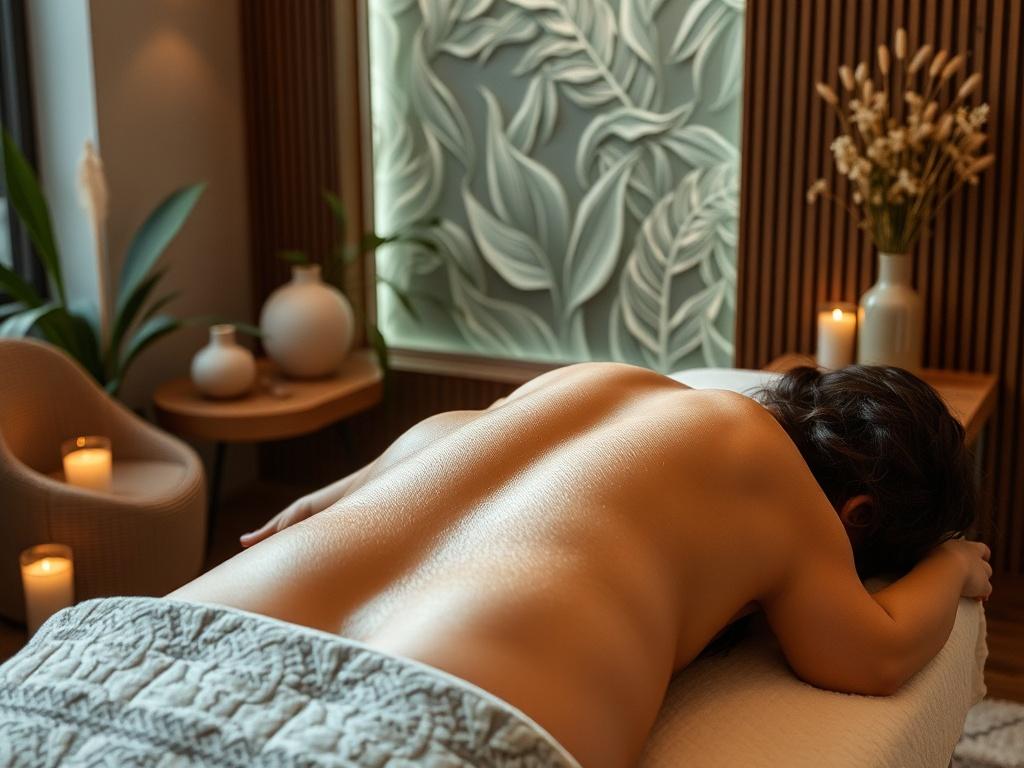
A great session doesn’t end when you step off the table. Hydration is crucial; drink water to help flush released toxins. Give yourself a quiet hour afterward—skip heavy exercise or stressful meetings. Light stretching and a warm shower can prolong relief. If you feel soreness after deep work, use heat and gentle movement rather than icing; soreness from a therapeutic session is usually short-lived and a sign your body is adjusting.
Common Add-Ons and Enhancements
Upscale spas offer a range of extras to fine-tune the experience. Popular enhancements include:
- Scalp and face massage: targeted relaxation for tension and sinus relief.
- Foot reflexology: pressure work that promotes whole-body relaxation.
- Body scrubs or wraps: exfoliation and skin renewal paired with massage.
- CBD or botanical oil upgrades: for anti-inflammatory or calming effects.
These add-ons are usually short—10 to 30 minutes—but they can change the contour of a session, shifting it from purely muscular to holistically restorative.
Conclusion
An upscale body rub is about more than luxury touches; it’s a service designed to give you a reliable, restorative encounter through expert hands, thoughtful products, and professional care. Approach it like you would any health appointment: research, communicate your needs, and choose a provider whose standards match yours. When done right, the experience lingers—the relaxed posture, clearer breathing, and the small, settled peace that follows a quality treatment. That’s the real value: not just feeling pampered, but feeling better.